


Share effective homemade, organic pest solutions for a country vegetable garden.
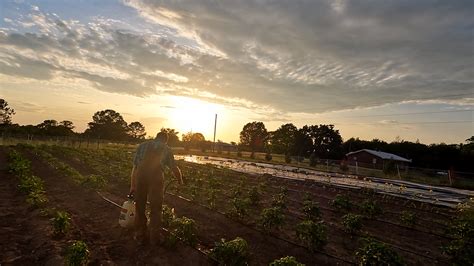
For those living the country life and tending to a beloved vegetable patch, the dream of a bountiful, chemical-free harvest is paramount. However, uninvited garden guests can quickly turn that dream into a challenge. Fortunately, you don’t need harsh chemicals to protect your produce. Many effective, organic pest solutions can be concocted right in your own home, leveraging nature’s own defenses to keep your garden thriving.
Embracing Organic Pest Management
The allure of organic gardening goes beyond just personal health; it extends to the health of your soil, beneficial insects, local wildlife, and the entire ecosystem. Choosing homemade, organic pest solutions minimizes exposure to synthetic pesticides, which can harm pollinators, beneficial predators, and contaminate water sources. It’s about working with nature, not against it, to create a resilient and productive garden.

Effective Homemade Organic Pest Solutions
Here are some tried-and-true recipes and methods that utilize common household items and natural ingredients to deter and eliminate garden pests:
1. Neem Oil Spray
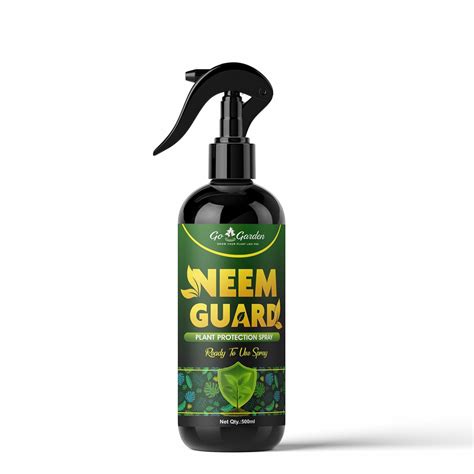
Derived from the neem tree, neem oil is a powerful natural insecticide, fungicide, and miticide. It works by disrupting insect growth cycles and acting as an anti-feedant. It’s safe for humans and pets once dry, and generally harmless to beneficial insects like bees when applied correctly (e.g., in the evening when bees are less active).
How to make and use:
- Mix 1-2 tablespoons of cold-pressed neem oil with 1 teaspoon of mild liquid soap (as an emulsifier) per gallon of water.
- Shake well before each use, as the oil can separate.
- Spray all parts of the affected plants, including the undersides of leaves, until thoroughly wet.
- Apply every 7-14 days or after rainfall, especially during active pest infestations.
2. Garlic and Chili Spray
This pungent concoction deters many pests with its strong odor and irritating properties. Pests like aphids, spider mites, and even some larger deterrents find it unappealing.
How to make and use:
- Blend 1-2 whole heads of garlic and 3-5 hot chili peppers (or 1-2 tablespoons of chili powder) with a small amount of water to form a paste.
- Add this paste to 1 gallon of water and let it steep overnight.
- Strain the mixture through a cheesecloth or fine sieve to remove solids, then add 1 teaspoon of mild liquid soap.
- Transfer to a spray bottle and apply to infested plants. Reapply after rain or every few days as needed.
3. Dish Soap (Insecticidal Soap) Spray
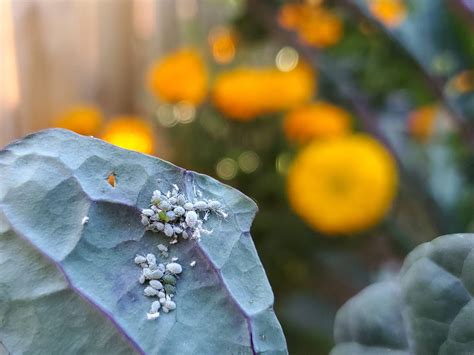
Simple dish soap can be incredibly effective against soft-bodied insects like aphids, whiteflies, mealybugs, and spider mites. The soap suffocates them by dissolving their protective outer layer.
How to make and use:
- Mix 1-2 tablespoons of plain, mild liquid dish soap (avoid those with degreasers or harsh chemicals) with 1 gallon of water.
- Spray directly onto pests, ensuring good coverage. Test on a small area of the plant first to ensure it doesn’t cause damage.
- Apply in the early morning or late evening to prevent leaf burn from the sun.
4. Diatomaceous Earth (Food Grade)
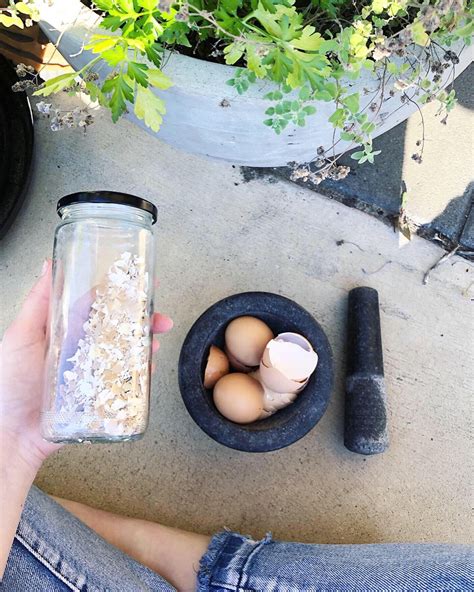
Diatomaceous Earth (DE) is a natural, fine powder made from fossilized aquatic organisms. On a microscopic level, it has sharp edges that abrade the exoskeletons of crawling insects, causing them to dehydrate and die. It’s effective against slugs, snails, ants, earwigs, and squash bugs.
How to use:
- Sprinkle a thin layer of food-grade DE around the base of plants or directly onto affected leaves.
- Reapply after rain or heavy dew, as moisture renders it ineffective.
- Avoid inhaling the dust while applying.
5. Companion Planting
This isn’t a spray, but a highly effective, proactive organic strategy. Certain plants, when grown together, can deter pests or attract beneficial insects that prey on pests.
Examples:
- Marigolds: Repel nematodes and other soil pests.
- Nasturtiums: Act as a trap crop for aphids, drawing them away from vegetables.
- Basil: Deters flies and mosquitoes, and enhances tomato flavor.
- Mint: Repels aphids, ants, and flea beetles (plant in containers to control spread).
- Alliums (onions, garlic, chives): Repel slugs, aphids, and carrot rust flies.
Prevention is Your Best Defense
While homemade solutions are excellent for active infestations, prevention is always easier. Maintain a healthy garden by:
- Promoting soil health: Healthy soil leads to healthy, resilient plants.
- Regular scouting: Catch pest problems early before they escalate.
- Crop rotation: Prevents pests and diseases from building up in the soil.
- Good air circulation: Space plants appropriately to reduce fungal issues.
- Attracting beneficial insects: Plant flowers that attract ladybugs, lacewings, and parasitic wasps.
- Hand-picking: For larger pests like tomato hornworms, manual removal is often the simplest solution.
Conclusion
Cultivating a vibrant, pest-free country vegetable garden doesn’t require a chemical arsenal. With a little knowledge and some readily available ingredients, you can arm yourself with effective, homemade, and organic solutions that protect your plants, nurture your soil, and respect the natural world around you. Embrace these methods, and enjoy the satisfaction of a truly organic harvest.