


Simple organic pest control for tomato blight?

Tomato blight can be a heartbreaking sight for any gardener, turning vibrant green plants into wilted, diseased messes overnight. While chemical solutions exist, many home gardeners prefer organic approaches to protect their families, pets, and the environment. Fortunately, a combination of preventative measures and natural treatments can effectively manage and even prevent this common fungal disease.
Understanding Tomato Blight
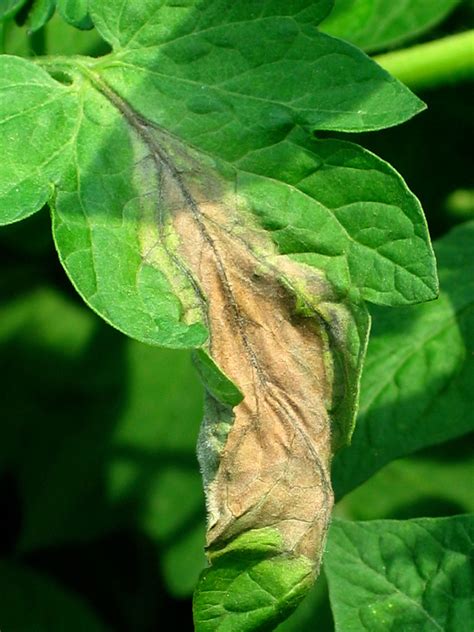
Tomato blight typically refers to two main fungal diseases: early blight (Alternaria solani) and late blight (Phytophthora infestans). Early blight often appears as dark, concentric spots on lower leaves and stems, while late blight causes large, irregular, water-soaked lesions that quickly spread, often accompanied by white, downy mold on the undersides of leaves during humid conditions. Both can devastate a tomato crop, but organic strategies can provide significant control.
Preventative Organic Strategies
The best defense against tomato blight is a good offense. Implementing these organic practices from the start can drastically reduce the chances of an outbreak.
1. Choose Resistant Varieties and Rotate Crops
When selecting tomato plants, look for varieties explicitly labeled as resistant to early or late blight. Additionally, practice crop rotation. Do not plant tomatoes or other solanaceous crops (like potatoes, peppers, or eggplant) in the same spot year after year. A 3-4 year rotation cycle helps break the disease cycle in the soil.
2. Ensure Proper Spacing and Airflow
Crowded plants create a humid, stagnant environment – perfect for fungal growth. Provide ample space between your tomato plants to allow for good air circulation. Pruning lower leaves and suckers also improves airflow and reduces soil splash, which can carry fungal spores.
3. Water Wisely
Water your tomatoes at the base of the plant, directly on the soil, rather than overhead. Wet foliage is a prime breeding ground for blight. Water early in the morning so any accidental wetting of leaves has time to dry before evening. Consider using soaker hoses or drip irrigation.

4. Mulch and Sanitize
Apply a thick layer of organic mulch (straw, shredded leaves, or wood chips) around the base of your tomato plants. Mulch prevents soil from splashing onto lower leaves during watering or rain, which is how many soil-borne fungal spores spread. Always sanitize gardening tools, especially pruners, with a 10% bleach solution or rubbing alcohol after working with infected plants to prevent cross-contamination.
Organic Treatment Solutions for Active Blight
If blight does appear, quick action with organic treatments can help mitigate the damage and save your crop.
1. Baking Soda Spray
A simple homemade baking soda solution can be effective against early blight. Mix 1 tablespoon of baking soda, 1 teaspoon of vegetable oil, and a few drops of mild liquid soap into a gallon of water. Spray this mixture on the affected leaves and stems every 5-7 days, especially after rain. Test on a small area first to ensure it doesn’t harm the plant.

2. Neem Oil
Neem oil, derived from the neem tree, is a broad-spectrum organic fungicide and insecticide. It works systemically within the plant and can disrupt fungal growth. Follow product instructions for dilution and application, typically spraying leaves thoroughly every 7-14 days.
3. Organic Copper and Sulfur Fungicides
For more severe cases, certified organic copper or sulfur-based fungicides can be used. These act as protective barriers on the plant’s surface. Always read and follow the label instructions carefully, as overuse can sometimes harm beneficial insects or soil microbiology.
4. Compost Tea
Compost tea, a liquid extract made from steeping mature compost in water, introduces beneficial microorganisms to the plant and soil. These microbes can outcompete and suppress disease-causing fungi. Apply as a foliar spray or a soil drench regularly.
5. Pruning Infected Parts
As soon as you spot signs of blight, carefully prune off any infected leaves, stems, or fruit. Dispose of these materials in the trash, not your compost pile, to prevent the spread of spores. Sterilize your pruning shears after each cut.
Long-Term Garden Health
Managing tomato blight organically requires vigilance and a holistic approach to garden health. By focusing on strong, healthy plants through good soil practices, proper watering, and proactive prevention, you create an environment where diseases are less likely to take hold. Consistency in your organic pest control routine will lead to more successful harvests and a thriving garden.

Embracing these simple organic pest control methods will not only help you combat tomato blight but also contribute to a healthier, more sustainable garden ecosystem. Your efforts will be rewarded with delicious, blight-free tomatoes straight from your backyard!