




What are simple, natural ways to enrich my garden soil for better yields?

Unlock Your Garden’s Potential: The Power of Healthy Soil
A thriving garden begins not with the seeds you plant, but with the soil they grow in. Rich, vibrant soil is the foundation for healthy, productive plants and abundant yields. Fortunately, you don’t need harsh chemicals or expensive amendments to achieve this. Nature offers a bounty of simple, natural methods to enrich your garden soil, making it a living ecosystem that nurtures your plants.

1. The Magic of Composting: Your Garden’s Black Gold
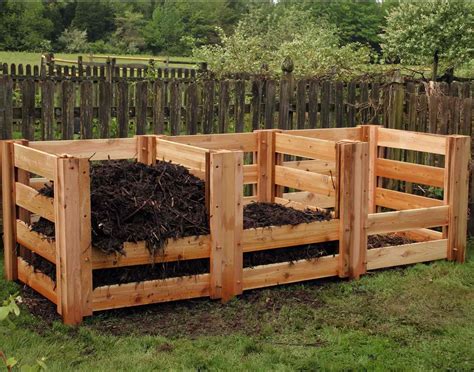
Compost is undoubtedly one of the best ways to enhance soil fertility naturally. It’s decomposed organic matter that adds a slow-release source of nutrients, improves soil structure, enhances water retention, and introduces beneficial microorganisms. Starting a compost pile is easy:
- What to compost: Kitchen scraps (fruit and vegetable peels, coffee grounds, eggshells), yard waste (leaves, grass clippings, small twigs), and shredded newspaper.
- What not to compost: Meat, dairy, oily foods, diseased plants, and pet waste, as these can attract pests or harbor pathogens.
- How to use it: Mix finished compost into your garden beds before planting, or use it as a top-dressing around established plants.
2. Embrace Cover Crops: Nature’s Living Mulch
Cover crops, sometimes called “green manure,” are plants grown specifically to benefit the soil rather than for harvest. They are sown in beds that would otherwise lie fallow, especially over winter. Common cover crops include clover, vetch, rye, and buckwheat. Their benefits are manifold:
- Nutrient cycling: They draw nutrients from deep within the soil profile and make them available to subsequent crops when tilled in. Leguminous cover crops (like clover) also fix nitrogen from the air into the soil.
- Erosion control: Their roots hold soil in place, preventing wind and water erosion.
- Weed suppression: They outcompete weeds for light and nutrients.
- Soil structure improvement: Their root systems create channels, improving aeration and drainage.
3. Mulching for Moisture, Microbes, and More
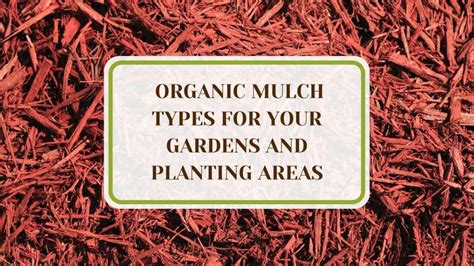
Applying a layer of organic mulch to your garden beds is a simple yet powerful way to enrich your soil. Materials like straw, shredded leaves, wood chips, or even grass clippings (in thin layers) provide numerous advantages:
- Moisture retention: Mulch reduces evaporation, meaning you water less frequently.
- Temperature regulation: It insulates the soil, keeping it cooler in summer and warmer in winter.
- Weed suppression: A thick layer of mulch blocks sunlight, inhibiting weed growth.
- Nutrient addition: As organic mulch breaks down, it slowly releases nutrients into the soil, feeding your plants and the soil’s microbial life.
4. The Wonders of Vermicomposting: Let Worms Do the Work
Vermicomposting involves using worms (specifically red wigglers) to break down organic matter into nutrient-rich castings. These castings are an incredibly potent soil amendment, teeming with beneficial microbes and essential plant nutrients. A small worm bin can easily be set up indoors or outdoors, turning kitchen scraps into gardener’s gold with minimal effort.
5. Strategic Crop Rotation: A Simple Path to Balance
Rotating your crops means not planting the same type of plant in the same spot year after year. This practice helps prevent the depletion of specific nutrients and reduces the build-up of pests and diseases that are particular to certain plant families. For example, follow heavy feeders (like corn) with legumes (which add nitrogen) or light feeders (like carrots).
6. Incorporate Natural Fertilizers and Amendments
Beyond compost and cover crops, several natural materials can boost your soil’s fertility:
- Aged Manure: From chickens, cows, or horses, aged manure is an excellent source of nitrogen and other nutrients. Always ensure it’s well-rotted to avoid burning plants.
- Alfalfa Meal: A good all-purpose organic fertilizer that promotes vigorous growth.
- Bone Meal: Provides phosphorus, essential for root and flower development.
- Wood Ash: If from untreated wood, it can add potassium and trace minerals, but use sparingly as it can raise soil pH.
- Rock Dust (e.g., Greensand, Azomite): Supplies a wide range of trace minerals that are often lacking in garden soils.

Cultivating a Thriving Ecosystem
Enriching your garden soil naturally is an ongoing process that yields incredible rewards. By adopting these simple, sustainable practices, you’ll not only see healthier, more productive plants but also foster a robust, living soil ecosystem that benefits your garden for years to come. Start small, observe your soil, and enjoy the bounty of a naturally fertile garden.