


What real food traditions foster family connection & country living values?

Embracing the Rooted Life: Food as a Family Anchor
In a world increasingly driven by convenience, the timeless practices of real food traditions offer a profound pathway to strengthening family connection and instilling valuable country living principles. These traditions are more than just about what we eat; they are about how we gather, how we learn, and how we connect with the earth and each other. They foster a sense of belonging, responsibility, and gratitude that resonates deeply with the spirit of rural life.
The Kitchen: Hearth of the Home
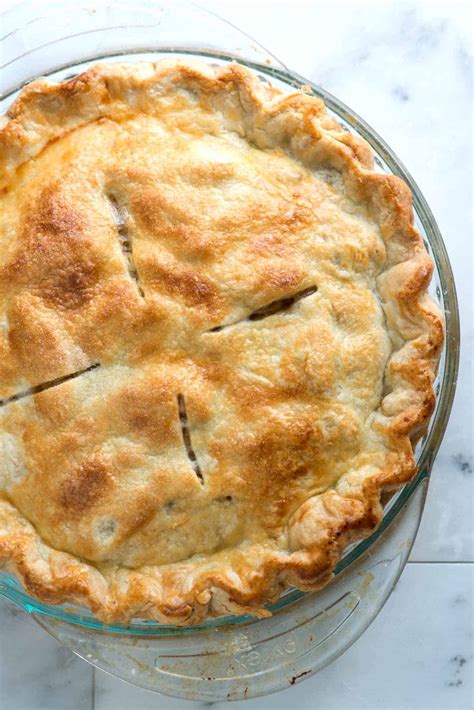
At the core of many family-centered food traditions is the kitchen. It’s where generations converge, skills are passed down, and laughter often fills the air. Cooking together, whether it’s baking bread from scratch, making homemade pasta, or preparing a traditional family recipe, transforms a mundane task into a shared experience. Children learn practical skills, patience, and the value of collaboration, while parents and grandparents share stories and wisdom, weaving a rich tapestry of family history.
The ritual of sitting down to a meal prepared with love, free from distractions, reinforces bonds and creates a sanctuary for communication. These shared moments around the table become cherished memories, teaching children the importance of presence and appreciation for the food they consume and the company they keep.

From Garden to Table: Connecting with the Land
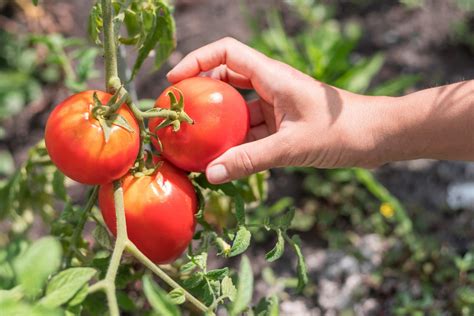
One of the most powerful real food traditions for fostering country living values is the practice of growing your own food. A family garden, no matter how small, becomes a living classroom. Children learn about life cycles, responsibility, and the effort required to produce food. The simple act of planting a seed, nurturing it, and harvesting its bounty cultivates a profound respect for nature and the source of their sustenance.
This direct connection to the land instills a deep appreciation for the seasons and the hard work involved in farming. It teaches resourcefulness and reduces dependence on external food systems, echoing the self-sufficiency often associated with country living.
The Art of Preservation: Stewardship and Resourcefulness
Beyond gardening, food preservation traditions like canning, dehydrating, and freezing extend the harvest and teach invaluable lessons in stewardship. Families working together to preserve fruits, vegetables, and meats learn about planning, resource management, and the cyclical nature of food. These skills not only ensure a pantry stocked with wholesome, homemade provisions but also foster a sense of accomplishment and preparedness.
The knowledge of how to make something last, how to transform abundance into future nourishment, is a cornerstone of sustainable living and a testament to the resourcefulness inherent in country values. It’s a tradition that speaks to resilience and a mindful approach to consumption.
Seasonal Rhythms and Community Sharing
Real food traditions often revolve around the rhythm of the seasons. Celebrating seasonal harvests with specific dishes or visiting local farmers’ markets as a family connects them to their local environment and economy. Participating in community potlucks or food swaps, where homemade goods are shared, strengthens social ties and fosters a sense of collective well-being.
These activities highlight the generosity and interconnectedness that are hallmarks of strong rural communities. Food becomes a medium for building friendships and supporting local producers, reinforcing the idea that we are all part of a larger ecosystem.
Cultivating Values: Patience, Gratitude, and Skill
Through these food traditions, children and adults alike cultivate a myriad of valuable traits. The slow process of fermentation, the careful tending of a garden, or the intricate steps of a cherished recipe all demand patience and attention to detail. The act of growing, preparing, and sharing food fosters a deep sense of gratitude – for the earth’s bounty, for the effort involved, and for the opportunity to share it with loved ones.

Moreover, these traditions are an excellent vehicle for intergenerational learning, where elders pass down not just recipes, but life skills, stories, and a philosophy of living that is grounded, intentional, and deeply connected to family and nature.
Nourishing Body, Mind, and Soul
Ultimately, real food traditions are more than just culinary practices; they are powerful conduits for transmitting cultural heritage, fostering deep family bonds, and instilling the enduring values of country living. By engaging in these practices, families not only nourish their bodies with wholesome food but also nourish their minds and souls with connection, purpose, and a profound appreciation for the simple, yet profound, gifts of life.