


How to preserve summer garden bounty without electricity?
Embracing Traditional Preservation Techniques
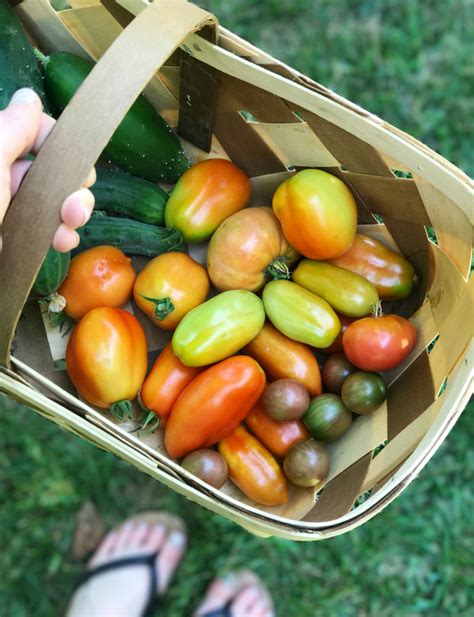
As the vibrant abundance of a summer garden reaches its peak, many homesteaders and country dwellers face the delightful challenge of preserving this bounty for the leaner months. While modern freezers and canners powered by electricity offer convenience, there’s a timeless satisfaction and resilience found in off-grid preservation methods. These techniques, practiced for centuries, not only save energy but also connect us to the sustainable rhythms of the past, ensuring a delicious harvest endures without a single watt.

Sun and Air Drying: Nature’s Dehydrator
One of the oldest and simplest methods, drying, removes moisture from food, inhibiting microbial growth and spoilage. Vegetables like tomatoes, peppers, green beans, and even corn can be sun-dried. For this, sliced produce is spread on screens in a sunny, well-ventilated area, often covered with cheesecloth to protect from insects. Herbs, flowers, and even some fruits are ideal for air drying; simply bundle them and hang them upside down in a warm, dry, dark place.
Ensure produce is thoroughly dry before storage to prevent mold. It should be brittle or leathery, depending on the item. Store dried goods in airtight containers in a cool, dark pantry.

Fermentation: The Art of Culturing
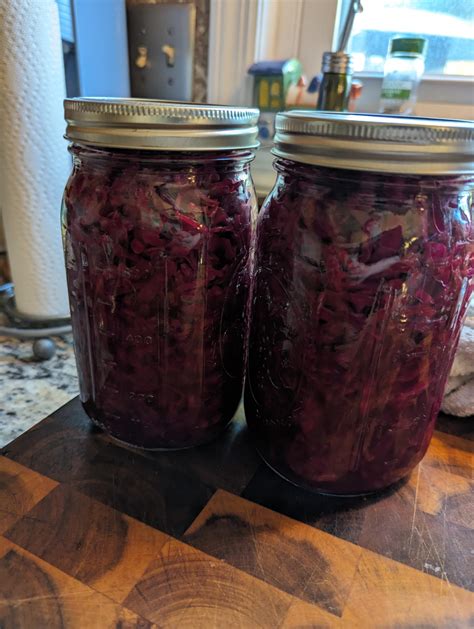
Fermentation transforms fresh produce into nutrient-dense, probiotic-rich foods with extended shelf lives. Lactic acid fermentation is common for vegetables. Cabbage becomes sauerkraut, cucumbers become pickles, and many other vegetables can be lacto-fermented simply with salt and water. The process involves submerging vegetables in a brine, allowing beneficial bacteria to convert sugars into lactic acid, which acts as a natural preservative.
Key to successful fermentation is a clean environment, proper salt concentration, and keeping the vegetables submerged below the brine to prevent mold. Once fermented, store in a cool, dark place, often a cellar, where the cool temperatures slow down the fermentation process.
Root Cellars and Cool Storage: Nature’s Refrigerator
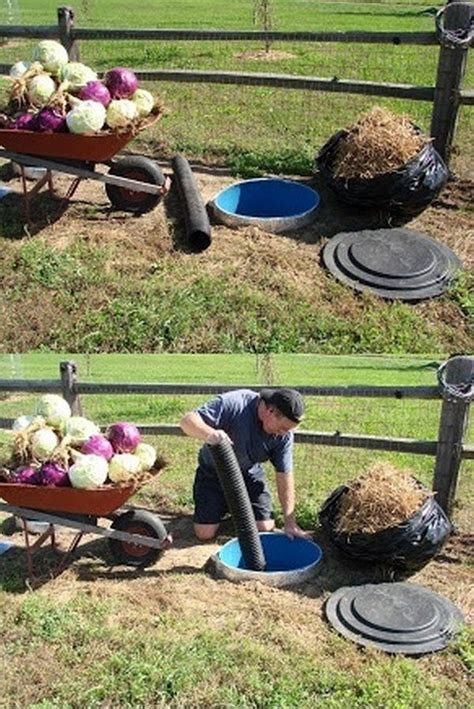
Before refrigeration, root cellars were indispensable. These cool, dark, and humid spaces provide ideal conditions for storing root vegetables (carrots, potatoes, beets), apples, pears, cabbages, and winter squash. An effective root cellar maintains a consistent temperature between 35-50°F (2-10°C) and high humidity, preventing produce from drying out or freezing.
If a dedicated root cellar isn’t an option, consider creating a smaller-scale cool storage area in a basement, unheated pantry, or even buried containers outdoors. Proper ventilation and protection from rodents are crucial. Store items like potatoes and apples separately, as apples release ethylene gas which can hasten potato sprouting.
Oil, Vinegar, and Salt Curing: Flavorful Preservation
While not for all garden produce, certain items can be preserved using oil, vinegar, or salt. Herbs can be infused in oil, though these are typically short-term and require refrigeration to prevent botulism unless proper acidic conditions are met. However, pickling with vinegar offers a more robust, long-term preservation method for a variety of vegetables, often combined with heat processing (though this article focuses on non-electric, cold pickling is possible for some quick pickles).
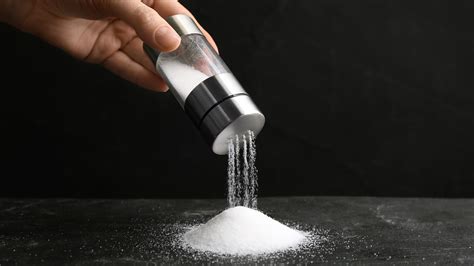
Salt curing is excellent for certain vegetables. Green beans, for example, can be layered with salt, which draws out moisture and creates a brine that preserves them. This method requires careful attention to salt ratios and often rinsing before consumption due to the high sodium content. It’s an ancient technique for ensuring staple vegetables last through the winter.
A Sustainable Path Forward
Preserving your summer garden bounty without electricity is more than just a practical skill; it’s a step towards greater self-sufficiency, sustainability, and a deeper connection to the food you grow. By embracing these time-honored methods – drying, fermenting, cool storage, and curing – you can enjoy the fruits (and vegetables) of your labor long after the summer sun has faded, all while reducing your reliance on modern conveniences and their associated energy costs.