



What natural DIY methods deter garden pests effectively?
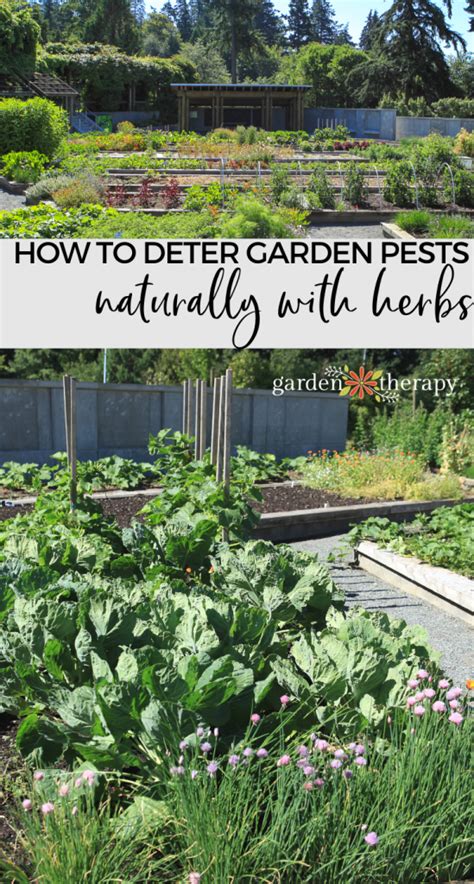
Protecting your cherished garden from persistent pests doesn’t always require harsh chemical interventions. In fact, many common garden nuisances can be effectively deterred using simple, natural, and DIY methods that are safe for your family, pets, and the beneficial insects you want to encourage. Embracing these eco-friendly strategies not only promotes a healthier garden ecosystem but also empowers you with sustainable gardening practices.
Harnessing the Power of Companion Planting
Companion planting is an age-old technique where different plants are grown together for mutual benefit, including pest deterrence. Certain plants release compounds into the soil or air that repel pests or attract their natural predators.
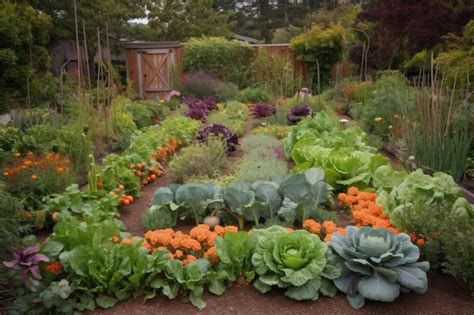
- Marigolds: French marigolds (Tagetes patula) are renowned for deterring nematodes and other soil-borne pests. Their roots release a chemical that is toxic to these microscopic worms. They can also deter whiteflies and squash bugs when planted nearby.
- Nasturtiums: These vibrant flowers act as a ‘trap crop’ for aphids, luring them away from more valuable plants. They also deter squash bugs and cucumber beetles.
- Herbs: Many aromatic herbs possess pest-repelling qualities. Rosemary deters carrot rust flies and slugs; mint repels ants, aphids, and flea beetles (plant in containers to prevent it from spreading); basil helps repel flies and mosquitoes, and can improve the flavor of tomatoes while deterring tomato hornworms.
Effective Homemade Sprays and Repellents
Whip up your own pest control solutions using ingredients readily available in your kitchen or garden shed. These sprays can target pests directly without harming the environment.
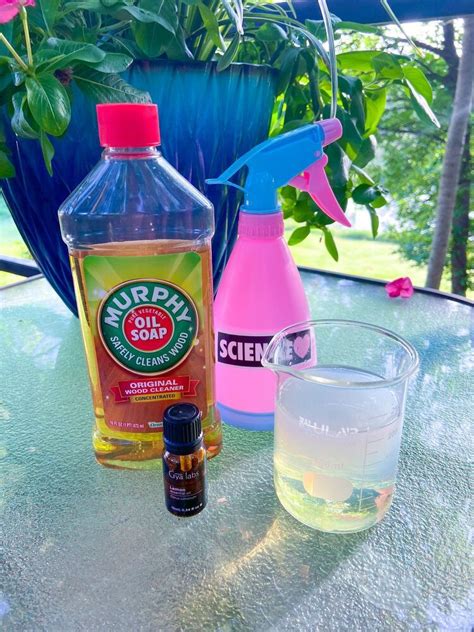
- Garlic and Chili Spray: The pungent aroma and capsaicin in these ingredients are powerful deterrents. Blend several garlic cloves and a few hot peppers with water, let it steep, then strain and dilute with more water. Add a drop of eco-friendly dish soap as an emulsifier. Spray on affected plants to repel aphids, slugs, and spider mites.
- Neem Oil Solution: Extracted from the neem tree, neem oil is a broad-spectrum organic pesticide that disrupts the feeding and growth cycles of many pests, including aphids, whiteflies, and spider mites. Mix according to package directions with water and a little soap, then spray thoroughly on plants, focusing on the undersides of leaves.
- Insecticidal Soap Spray: A simple solution of mild liquid soap (e.g., Castile soap) and water can effectively kill soft-bodied insects like aphids, mealybugs, and spider mites by dissolving their protective outer coating. Mix 1-2 tablespoons of soap per gallon of water and spray directly onto pests.
Physical Barriers and Clever Traps
Sometimes, the most straightforward approach is to physically block pests or lure them into a trap. These methods are non-toxic and highly effective for specific problems.

- Row Covers: Lightweight fabric row covers can be draped over young plants or entire garden beds to create a physical barrier against flying insects like cabbage moths, squash bugs, and cucumber beetles. Ensure they are well-anchored and removed for pollination if plants require it.
- Sticky Traps: Yellow sticky traps are excellent for monitoring and capturing flying insect pests such as whiteflies, fungus gnats, and winged aphids. Place them near susceptible plants.
- Beer Traps for Slugs and Snails: Dig small containers into the soil so their rims are level with the ground, then fill with beer. Slugs and snails are attracted to the yeast, crawl in, and drown. Empty and refill regularly.
Inviting Beneficial Insects to Your Garden
Nature provides its own pest control in the form of beneficial insects that prey on harmful ones. Creating a welcoming habitat for these helpful creatures is a cornerstone of organic pest management.

- Ladybugs and Lacewings: These insects are voracious predators of aphids, mites, and other soft-bodied pests. Attract them by planting dill, cilantro, cosmos, and yarrow, which provide nectar and pollen.
- Predatory Wasps: Tiny parasitic wasps lay their eggs inside caterpillars, aphids, and whiteflies, effectively controlling their populations. Attract them with plants that have small flowers, like fennel, parsley, and sweet alyssum.
- Avoid Broad-Spectrum Pesticides: Chemical pesticides often kill beneficial insects along with the pests, disrupting the natural balance. Opt for targeted, natural solutions instead.
Good Garden Hygiene and Maintenance
A well-maintained garden is inherently less attractive to pests. Simple routine practices can go a long way in preventing infestations.
- Regular Weeding: Weeds compete with your plants for nutrients and can harbor pests, providing them with shelter and food.
- Pruning and Trimming: Remove any diseased or heavily infested plant parts promptly to prevent pests from spreading. Improve air circulation by pruning, which can deter fungal diseases that often accompany pest problems.
- Crop Rotation: Rotating your crops each season prevents pests specific to certain plants from building up populations in the soil year after year.
By integrating these natural DIY methods into your gardening routine, you can create a thriving, healthy garden ecosystem that effectively deters pests. It might take a little patience and observation, but the rewards of a chemical-free, flourishing garden are well worth the effort.