
How can I organically protect my vegetable garden from common pests this season?

For those embracing the joys of country living and cultivating their own produce, the sight of a healthy, thriving vegetable garden is a true reward. However, this bounty often attracts unwanted visitors: common garden pests. Protecting your precious plants without resorting to harsh chemicals is a cornerstone of organic gardening. This guide will explore practical, sustainable methods to keep your garden pest-free naturally this season.
Understanding Your Garden Ecosystem
Before launching into specific defenses, it’s crucial to understand that your garden is a living ecosystem. Organic pest control aims not to eradicate all insects, but to maintain a balance where beneficial insects thrive and keep pest populations in check. This holistic approach begins with observation and understanding the life cycles of both pests and their natural predators.

Companion Planting: Nature’s Bodyguards
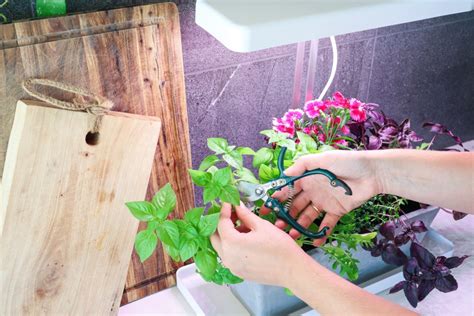
One of the oldest and most effective organic strategies is companion planting. Certain plants, when grown near each other, can deter pests through their scent, chemicals, or by attracting beneficial insects. For instance, marigolds are well-known for repelling nematodes and other soil-borne pests. Nasturtiums can act as a trap crop, drawing aphids away from more valuable plants, while herbs like basil and rosemary can deter tomato hornworms and carrot rust flies, respectively.
- Marigolds: Repel nematodes and general garden pests.
- Nasturtiums: Act as a trap crop for aphids.
- Basil: Deters tomato hornworms and flies.
- Rosemary: Repels carrot rust flies and slugs.
- Garlic & Onions: Deter aphids, slugs, and other soft-bodied insects.
Inviting Beneficial Insects to the Party
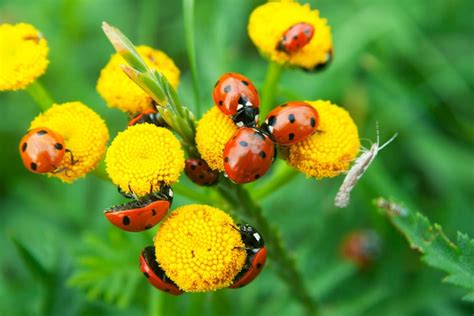
Not all insects are foes; many are your garden’s best allies! Ladybugs, lacewings, hoverflies, and predatory wasps feast on common pests like aphids, mites, and caterpillars. To encourage these helpful predators, plant nectar-rich flowers such as dill, fennel, cilantro, and cosmos. Providing a water source and undisturbed areas can also create an inviting habitat.
Physical Barriers and Manual Removal
Sometimes the simplest solutions are the best. Physical barriers can prevent pests from reaching your plants in the first place. Row covers, made of fine mesh fabric, can protect seedlings and young plants from flying insects like cabbage moths and squash bugs. Don’t forget the power of your own hands: inspect plants regularly and hand-pick larger pests like slugs, snails, and hornworms. A bucket of soapy water provides an easy disposal method.

Maintaining Garden Hygiene and Crop Rotation
A tidy garden is a healthy garden. Remove weeds, which can harbor pests and diseases, and promptly clean up fallen leaves or diseased plant matter. Practicing crop rotation – planting different crops in a specific area each season – prevents pest populations from building up in the soil and reduces disease cycles. Healthy soil, rich in organic matter, also leads to stronger plants that are more resistant to pest attacks.
Organic Sprays and Homemade Remedies
For more persistent outbreaks, there are several organic sprays you can turn to:
- Neem Oil: A natural insecticide derived from the neem tree. It disrupts the feeding and reproductive cycles of many pests, including aphids, whiteflies, and spider mites.
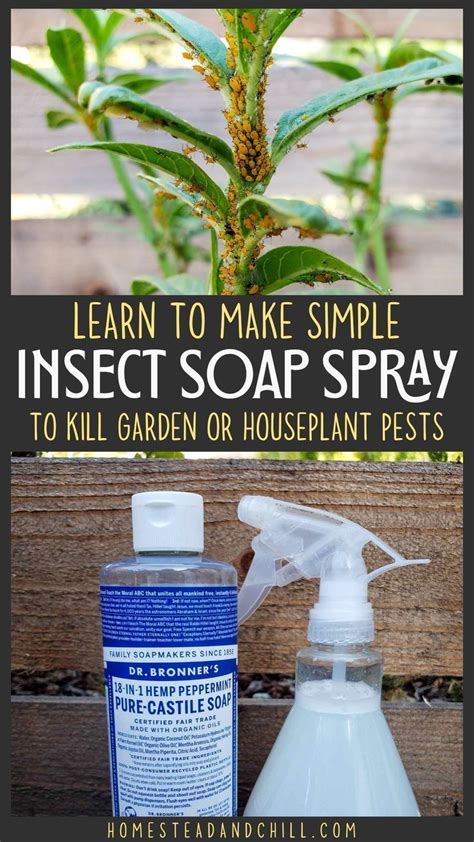
- Insecticidal Soap: Effectively smothers soft-bodied insects upon contact. It’s readily available or can be made at home with mild dish soap and water (ensure it’s not antibacterial).
- Garlic or Chili Pepper Spray: A homemade repellent. Blend garlic cloves or chili peppers with water, strain, and spray onto affected plants.
Always test any homemade spray on a small section of a plant before applying it widely to ensure it doesn’t cause damage.
Conclusion: A Holistic and Proactive Approach
Organically protecting your vegetable garden is an ongoing, evolving process. It’s about fostering a healthy ecosystem, observing your plants regularly, and employing a combination of proactive and reactive strategies. By embracing companion planting, attracting beneficial insects, using physical barriers, maintaining good hygiene, and resorting to organic sprays when necessary, you can enjoy a season of abundant, chemical-free harvests from your own backyard oasis. Happy gardening!