



Best ways to preserve summer garden tomatoes for winter meals?

Capturing Summer’s Bounty: Preserving Tomatoes for Winter
As summer wanes, a prolific tomato harvest can leave gardeners wondering how to best utilize their red and juicy treasures. Preserving tomatoes isn’t just about preventing waste; it’s about extending the taste of summer into the colder months, allowing you to enjoy homegrown flavor in your winter meals. From classic canning to modern freezing techniques, there’s a method for every kitchen and preference.
Canning: The Timeless Tradition
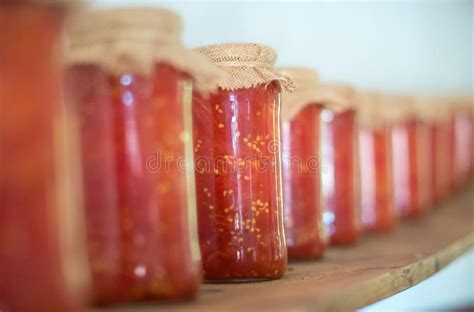
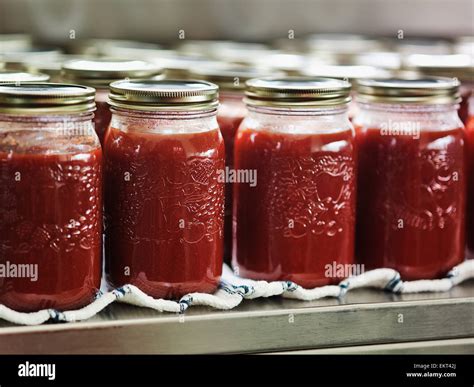
Canning is perhaps the most iconic method for preserving tomatoes, offering shelf-stable products that last for a year or more. Whole, diced, crushed, or as sauce – the possibilities are endless. Water bath canning is suitable for high-acid tomatoes, while low-acid varieties or mixtures often require pressure canning for safety. Always follow tested recipes from reliable sources like the USDA or university extension offices.
For whole or diced tomatoes, blanching and peeling are usually the first steps, followed by packing into sterilized jars with a little added lemon juice or citric acid for acidity, and then processing. The satisfaction of rows of sealed jars is unmatched, providing a convenient base for soups, stews, and pasta sauces throughout winter.
Freezing: Simplicity and Versatility
Freezing is arguably the easiest and least time-consuming way to preserve tomatoes, especially for those new to food preservation. You can freeze them whole, chopped, or pureed without much fuss. For whole tomatoes, simply wash, core, and place them on a baking sheet to freeze individually before transferring to freezer bags – this prevents them from sticking together. When thawed, the skins slip off effortlessly, making them perfect for sauces or roasting.
Chopped tomatoes can be frozen raw or lightly cooked. Tomato puree or sauce can also be frozen in freezer-safe containers, offering a quick base for various dishes. Freezing maintains much of the fresh flavor and nutrients, making it an excellent choice for immediate use in cooking.
Drying: Concentrated Flavor Powerhouses
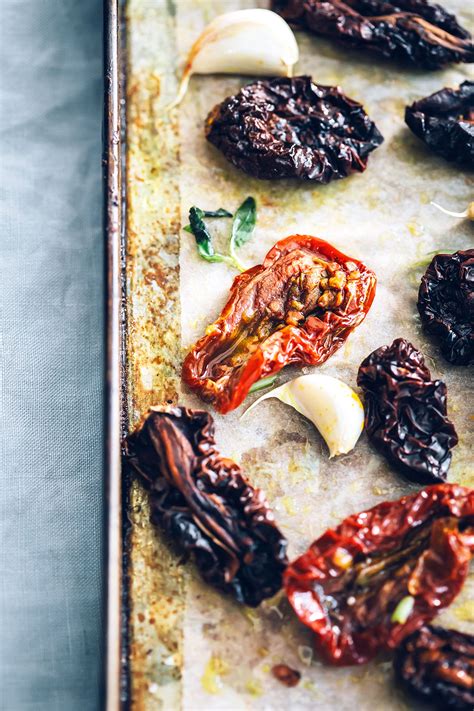
Drying tomatoes concentrates their sugars and flavors, transforming them into intensely savory sun-dried or oven-dried gems. This method works beautifully for plum tomatoes or those with lower water content. You can use a food dehydrator, a conventional oven set to its lowest temperature, or even natural sunlight in very hot, dry climates.
Once dried, these flavor-packed tomatoes can be stored in airtight containers, either plain or packed in olive oil (ensure proper sterilization if oil packing to prevent botulism). They are fantastic in salads, pasta, risottos, or as a vibrant addition to sandwiches and antipasti platters, adding a robust, umami kick to any meal.
Sauces, Pastes, and Ketchup: Ready-to-Use Goodness
Transforming your tomatoes into sauces, pastes, or even ketchup before preserving them saves significant time when cooking winter meals. Roasting tomatoes before making sauce deepens their flavor considerably. Once cooked down, these can be canned using appropriate methods (water bath or pressure canning depending on ingredients and acidity), or frozen in portions.
Making your own tomato paste is a labor of love but yields a rich, intensely flavored product far superior to store-bought versions. Simmering tomatoes for hours to reduce them to a thick, concentrated paste can be rewarding and provides a versatile ingredient for countless recipes.
Fermenting and Pickling: Tangy Alternatives
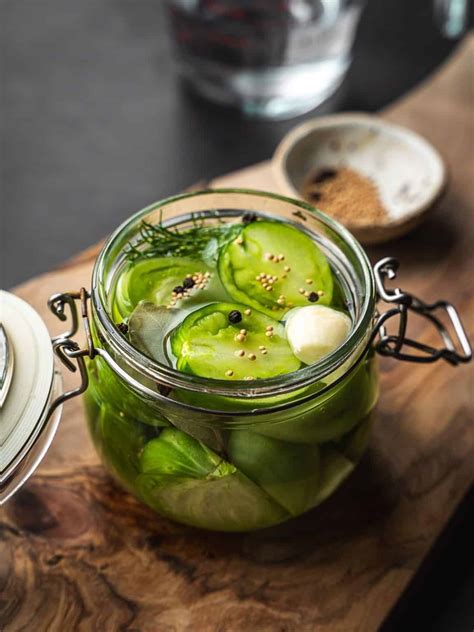
For a unique twist, consider fermenting or pickling your tomatoes. Fermented salsa or tomato relish offers a probiotic boost and a tangy, complex flavor profile. Green tomatoes, in particular, are excellent for pickling, creating a crisp, sour condiment that adds a delightful crunch and zest to dishes.
These methods introduce different flavor dimensions and textures, expanding your culinary repertoire. Pickled green tomatoes can be enjoyed on their own, in sandwiches, or chopped into salads. Fermented tomato products bring a lively tang that can brighten up heavy winter meals.
Conclusion
No matter the size of your harvest or the space in your kitchen, there’s a perfect way to preserve your summer garden tomatoes. Whether you opt for the shelf-stable reliability of canning, the ease of freezing, the intense flavor of drying, the convenience of pre-made sauces, or the unique tang of fermenting and pickling, each method allows you to savor the taste of summer sunshine long into the colder months, enriching your winter meals with homegrown goodness.