




Simple DIY natural weed killers for a backyard vegetable patch?

Keeping Your Vegetable Patch Weed-Free Naturally
Maintaining a thriving backyard vegetable patch often feels like a constant battle against unwanted weeds. While chemical herbicides offer a quick fix, they pose significant risks to your edible plants, soil health, beneficial insects, and even your family’s health. Fortunately, there are several simple, natural, and effective DIY methods to tackle weeds without introducing harmful substances into your garden.
Opting for natural weed killers aligns with organic gardening principles, ensuring your produce remains pristine and your garden ecosystem stays balanced. This guide explores readily available household ingredients and common-sense techniques to help you keep your vegetable patch clean and productive.
The Benefits of Chemical-Free Weed Management
Choosing natural methods for weed control in your vegetable patch offers numerous advantages. Primarily, it safeguards the health of your edible plants, preventing the absorption of synthetic chemicals into your food. It also protects beneficial pollinators like bees and butterflies, which are crucial for a fruitful harvest. Furthermore, natural approaches preserve soil microbiology, ensuring long-term fertility and a vibrant ecosystem beneath the surface.
Effective DIY Natural Weed Killer Methods
1. Vinegar Solutions
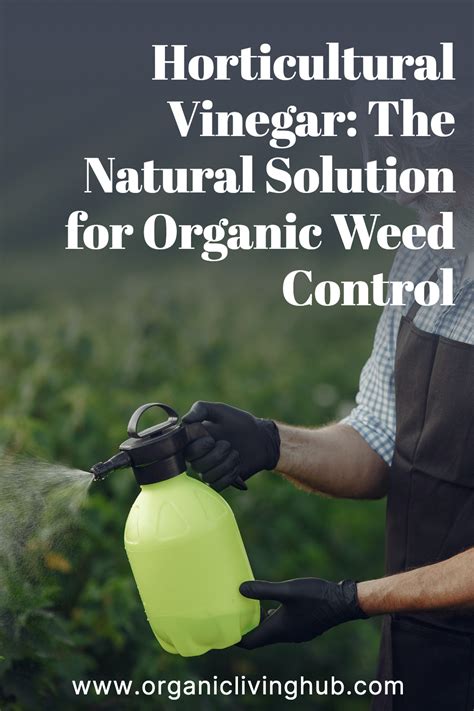
White vinegar, particularly horticultural vinegar (which has a higher acetic acid content, typically 10-20% vs. household 5%), is a popular natural weed killer. The acetic acid dries out and kills the leaves of many weeds, especially young, tender ones.
- Recipe: For general use, a mix of 1 gallon of white vinegar (5% acetic acid), 1 cup of salt (Epsom or table salt), and 1 tablespoon of liquid dish soap. The soap helps the mixture stick to the leaves. For tougher weeds, consider horticultural vinegar, but handle with extra care.
- Application: Spray directly onto weed leaves on a sunny, dry day. Avoid spraying desired plants, as vinegar is non-selective and will damage anything it touches. Repeat if necessary for stubborn weeds.
2. Salt-Based Solutions (Use with Extreme Caution)
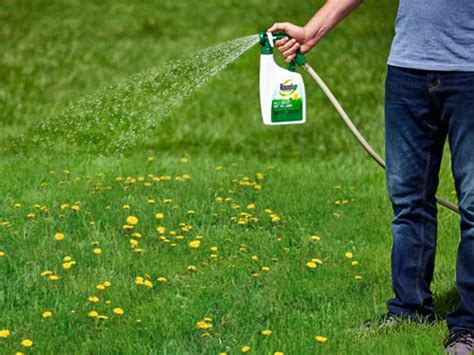
While effective, salt can accumulate in the soil and render it infertile for future plantings. Therefore, salt solutions should only be used in areas where you want to prevent all plant growth, such as cracks in patios or driveways, and generally avoided near a vegetable patch.
- Recipe: A strong solution can be made by dissolving 1 part salt in 2 parts hot water.
- Application: Apply directly to weeds, ensuring it doesn’t run off into areas where you plan to grow vegetables.
3. Boiling Water
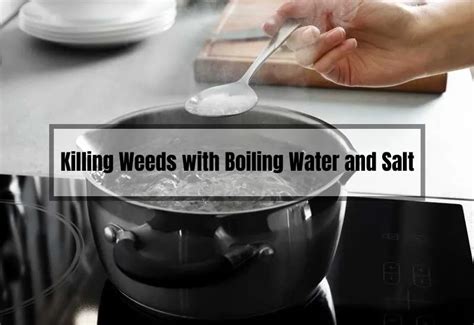
Perhaps the simplest method, boiling water instantly scalds and kills small weeds. It’s particularly effective for weeds sprouting in cracks or pathways where you don’t have desirable plants nearby.
- Application: Carefully pour boiling water directly onto the weeds. It works best on young, shallow-rooted weeds. Be extremely cautious not to splash yourself or any nearby vegetables.
4. Mulching as a Preventative
While not a ‘killer’ in the traditional sense, a thick layer of mulch is one of the most effective preventative measures against weeds. Mulch smothers weed seeds and blocks sunlight, preventing them from germinating and growing.
- Application: Apply a 2-4 inch layer of organic mulch (straw, wood chips, shredded leaves, compost) around your vegetable plants. Keep mulch a few inches away from the stems of your vegetables to prevent rot.
5. Manual Weeding: The Ultimate Natural Method
Sometimes, the best approach is the most traditional. Hand-pulling, hoeing, or using specialized weeding tools remain highly effective, especially for larger weeds or in densely planted areas where sprays might damage desired plants.
- Technique: Weeding after rain or watering makes the soil softer, allowing roots to be pulled out more easily. Remove the entire root system to prevent regrowth.
Tips for Safe and Effective Application
- Targeted Application: Always use a spray bottle with a precise nozzle or apply solutions directly to weeds to avoid harming your vegetables. Consider using a piece of cardboard as a shield.
- Timing is Key: Apply natural weed killers on a sunny, calm day. Sunlight enhances their effectiveness, and no wind prevents drift onto desired plants.
- Consistency: Natural methods may require repeat applications, especially for established or deep-rooted weeds. Be patient and persistent.
- Test First: If unsure, test a small, inconspicuous area first to observe the effects.
Important Precautions to Consider
Even natural solutions require careful handling. Vinegar and salt can alter soil pH and salinity, potentially impacting future plant growth if overused. Always wear gloves and eye protection when mixing and applying solutions, especially those containing horticultural vinegar or strong salt concentrations. Supervise children and pets to ensure they do not come into contact with treated areas before they are dry.
Conclusion
Keeping your backyard vegetable patch free from weeds doesn’t have to involve harsh chemicals. By utilizing simple DIY natural weed killers like vinegar and boiling water, and implementing preventative measures like mulching and diligent hand-weeding, you can maintain a healthy, productive, and truly organic garden. Embrace these eco-friendly methods for a thriving garden that’s safe for your family and the environment.