
How to keep homemade food fresh for a frugal country road trip?
Embrace the Open Road with Homemade Delights
There’s an undeniable charm to hitting the open road, especially when traversing scenic country routes. For the budget-conscious traveler, or anyone who values wholesome meals, packing homemade food is a game-changer. It not only saves a significant amount of money that would otherwise be spent on roadside diners but also allows you to maintain control over your diet, ensuring healthier, more satisfying options. The key, however, lies in knowing how to keep those culinary creations fresh and safe for the duration of your adventure.
This guide will equip you with practical strategies, from smart food choices to effective packing techniques, ensuring your homemade provisions remain delicious and safe from start to finish. Say goodbye to soggy sandwiches and hello to delightful, fresh meals that enhance your frugal country road trip experience.
Why Homemade Food is Your Road Trip MVP
Opting for homemade food offers a trifecta of benefits for any road tripper. Firstly, the cost savings are substantial. Eating out for every meal, even at fast-food joints, quickly adds up. Secondly, homemade meals typically offer healthier options, allowing you to avoid excessive sugars, salts, and unhealthy fats often found in convenience foods. Finally, you get to enjoy exactly what you crave, tailored to your tastes and dietary needs, making each meal a comforting and familiar part of your journey.
The Core Principles of Food Preservation on the Go
The foundation of keeping food fresh on the road rests on three pillars: temperature control, proper packaging, and smart food selection. Your primary goal is to keep perishable items out of the “danger zone” (between 40°F and 140°F or 4°C and 60°C) where bacteria multiply rapidly. This means maintaining a consistently cold environment for refrigerated items and ensuring all foods are protected from contamination.
Essential Gear for Freshness
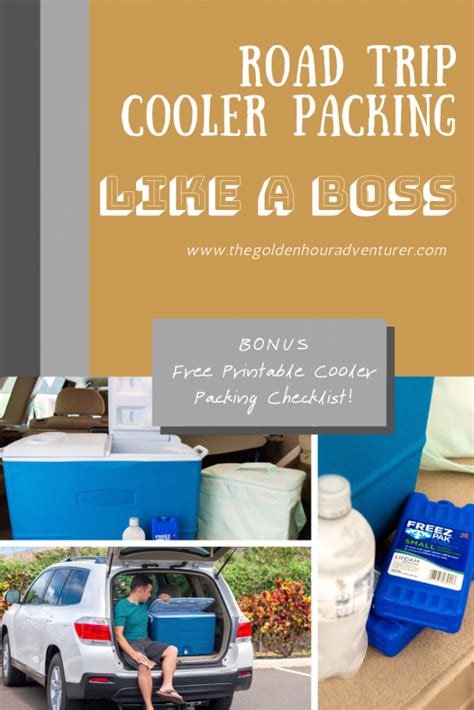
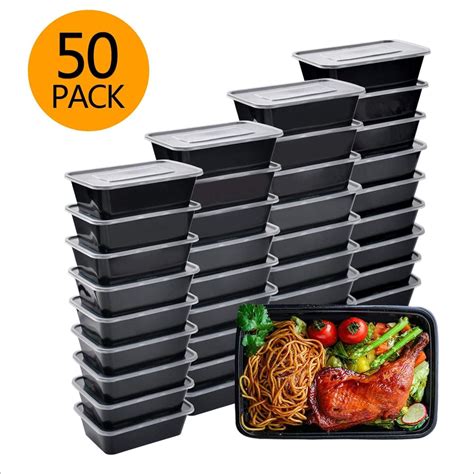
A high-quality cooler is your best friend on a frugal road trip. Invest in one with good insulation, or consider using multiple coolers – one for drinks (frequently opened) and another for main food items (opened less often). Beyond the cooler, you’ll need sturdy, airtight containers to prevent leaks and cross-contamination. Reusable ice packs, frozen water bottles (which double as drinking water as they melt), or even blocks of ice are crucial for maintaining cold temperatures. Consider insulating bags for specific items that need extra protection or are consumed more frequently.
Smart Food Choices for Longevity
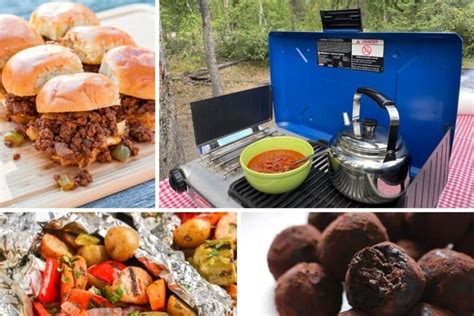
Not all foods are created equal when it comes to travel. Opt for items that hold up well and don’t require reheating. Sandwiches and wraps made with sturdy bread or tortillas, pasta salads with vinegar-based dressings (mayonnaise-based can be risky), hard-boiled eggs, cheese sticks, and sturdy fruits and vegetables (apples, oranges, carrots, celery) are excellent choices. Avoid easily perishable items like seafood, raw meats, or highly delicate greens. Pre-cooked sausages or chicken can work if kept very cold.

Pre-Trip Preparation: Your Secret Weapon
Preparation is paramount. A few days before your trip, start making and freezing items that can withstand it, like burritos, soup portions, or even sandwiches (hold the fresh veggies until serving). Frozen items act as extra ice packs and will slowly thaw as you travel. Portion out snacks into individual bags or containers to minimize exposure to air. For salads, pack dressings separately and add just before eating. Layer your cooler strategically: ice on the bottom, then heavier items, more ice, and finally lighter, more delicate foods on top. Fill any empty spaces with crumpled newspaper or towels to reduce air circulation and maintain cold.
On-the-Road Management and Re-Icing Strategies
While on the road, try to keep your cooler in the coolest part of the car, away from direct sunlight. Open it only when necessary and close it quickly. As ice melts, drain the water periodically, but leave a little to help keep items cold. When ice levels are low, replenish at gas stations or grocery stores. Consider rotating items, moving those you plan to eat sooner to the top for easy access, minimizing rummaging and heat exposure to the rest of the contents.
Food Safety First: A Non-Negotiable
Even with the best planning, food safety should never be overlooked. Always wash your hands or use hand sanitizer before handling food. Pack separate utensils for serving and eating. If you’re unsure whether a food item has been kept at a safe temperature or if it looks, smells, or tastes suspicious, it’s always best to err on the side of caution and dispose of it. A small amount of food wasted is preferable to a road trip ruined by food poisoning.

Conclusion: Savor the Journey, Savor the Food
A frugal country road trip doesn’t mean sacrificing delicious, healthy meals. With careful planning, smart food choices, and effective preservation techniques, your homemade provisions can be a highlight of your journey. Enjoy the scenery, the freedom of the open road, and the satisfaction of nourishing yourself and your travel companions with fresh, flavorful food you prepared with love. Happy trails and happy eating!