



Natural pest control for organic vegetable gardens without chemicals?
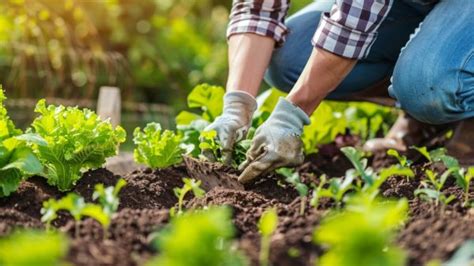
Maintaining a thriving organic vegetable garden is a rewarding endeavor, but the inevitable challenge of pests can quickly dampen the enthusiasm. The good news is that achieving a bountiful, chemical-free harvest is entirely possible with a thoughtful approach to natural pest control. Ditching synthetic pesticides not only protects your family and the environment but also fosters a healthier, more resilient garden ecosystem.
Prevention: Building a Resilient Garden from the Ground Up
The first line of defense against garden pests isn’t a spray, but a healthy ecosystem. A robust garden is less susceptible to infestations. Start with healthy soil, rich in organic matter, which promotes strong plant growth. Choose pest-resistant varieties adapted to your local climate and practice crop rotation to confuse pests and prevent disease buildup.

Consider the power of companion planting. Certain plants, like marigolds, nasturtiums, and garlic, can deter pests or attract beneficial insects when planted near vulnerable vegetables. For example, planting marigolds near tomatoes can repel nematodes, while nasturtiums can act as a trap crop for aphids.
Physical Barriers and Vigilant Manual Control
Sometimes, the simplest solutions are the most effective. Physical barriers can prevent pests from reaching your precious plants. Row covers made of lightweight fabric can protect young seedlings from flying insects and larger pests like birds and rabbits, allowing sunlight and water to pass through while keeping pests out.
Regular inspection of your garden is crucial. Early detection of pests allows for quick intervention. Manually remove larger pests like slugs, snails, and caterpillars by hand-picking them off plants. A simple bucket of soapy water can serve as a convenient disposal method. For aphids, a strong jet of water from a hose can often dislodge them effectively.
Harnessing Nature’s Allies: Beneficial Insects
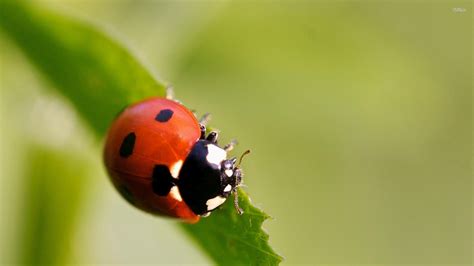
Your garden can become a haven for beneficial insects that prey on common pests. Ladybugs, lacewings, predatory wasps, and hoverflies are natural predators of aphids, mites, and other soft-bodied insects. To attract these helpful allies, incorporate a diversity of flowering plants into your garden that provide nectar and pollen, such as dill, fennel, cosmos, and sunflowers.
Avoid broad-spectrum organic pesticides that can harm beneficial insects as well as pests. A balanced ecosystem is one where predators keep pest populations in check naturally.
DIY Organic Sprays and Repellents for Targeted Control
When prevention and beneficial insects aren’t quite enough, homemade organic sprays can offer targeted intervention. These are generally less harmful to beneficial insects and break down quickly in the environment.
A simple garlic spray can deter many pests. Blend several cloves of garlic with water, let it sit overnight, strain, and then dilute the liquid before spraying. Neem oil is another popular organic option, derived from the neem tree. It acts as an antifeedant, growth disruptor, and repellent for a wide range of insects. Always follow dilution instructions carefully.
Insecticidal soap (available commercially or homemade with mild dish soap) can effectively control soft-bodied pests like aphids, spider mites, and whiteflies by suffocating them. Ensure to test any homemade solution on a small area first to prevent plant damage.
Ongoing Monitoring and Adaptability
Successful natural pest control is an ongoing process of observation, learning, and adaptation. Regularly monitor your plants for any signs of pest activity. Learn to identify both the pests and their natural enemies. Keep a garden journal to track what works and what doesn’t in your specific garden environment.
Remember that the goal isn’t to eliminate every single insect, but to maintain a healthy balance where pest populations remain at manageable levels. Embracing biodiversity and working with nature, rather than against it, is the cornerstone of a truly organic and sustainable vegetable garden.
By integrating these natural pest control strategies, you can enjoy a vibrant, productive organic vegetable garden that thrives without the need for harmful chemicals. It’s a journey of discovery that rewards patience, observation, and a deep respect for the natural world.