

How to make country stew beef fork-tender every time?
The Secret to Melt-in-Your-Mouth Beef Stew
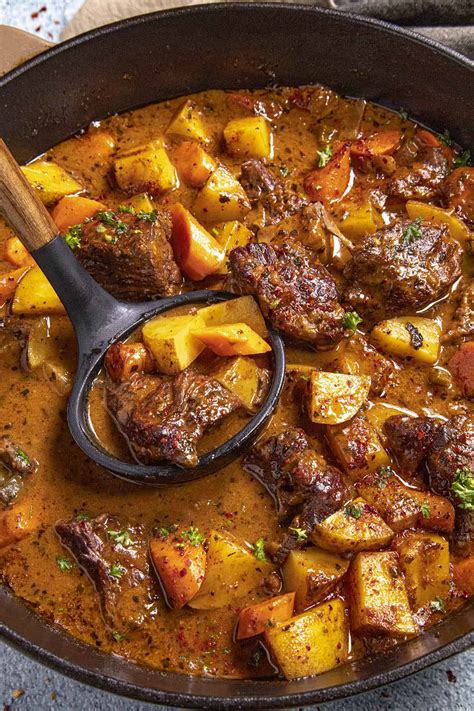
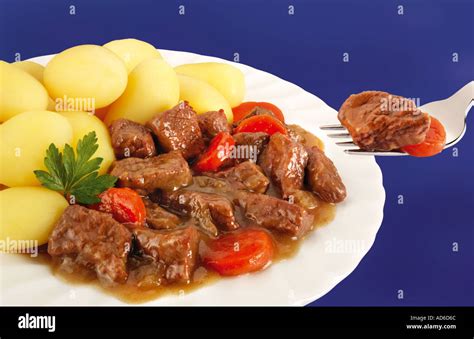
There’s nothing quite as comforting as a hearty country beef stew, especially when the beef is so tender it practically melts in your mouth. Many home cooks struggle with tough, chewy beef, but achieving that coveted fork-tender texture is surprisingly simple once you understand a few fundamental principles. Forget rubbery meat; with these tips, you’ll be serving up succulent, tender beef stew consistently.
Choose the Right Cut of Beef
The journey to tender beef stew begins at the butcher’s counter. Not all cuts are created equal when it comes to slow cooking. For stew, you want cuts with a good amount of connective tissue and marbling, as these break down over time to create a rich, succulent texture. Ideal choices include:
- Chuck Roast: Often labeled ‘beef stew meat,’ chuck is highly marbled and full of connective tissue, making it perfect for slow cooking.
- Bottom Round Roast: A leaner cut, but still good for stewing if cooked long enough.
- Short Ribs: While not a typical ‘stew meat,’ boneless short ribs are incredibly flavorful and become wonderfully tender.
Avoid very lean cuts like sirloin or tenderloin, as these will dry out and become tough with extended cooking.
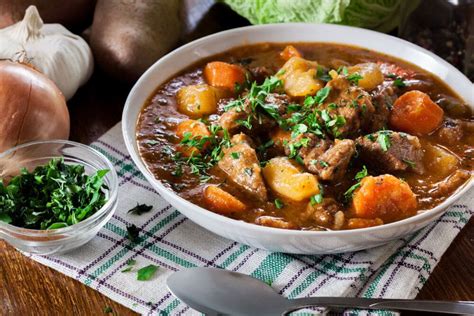
Don’t Skip the Searing Step
Searing the beef before stewing is crucial for developing deep, complex flavors. This process, known as the Maillard reaction, creates a rich brown crust that adds incredible depth to your stew. While it doesn’t directly tenderize the meat, it significantly enhances the overall taste, making the final dish far more satisfying.
Here’s how to sear properly:
- Pat your beef cubes thoroughly dry with paper towels. Moisture inhibits browning.
- Heat a heavy-bottomed pot or Dutch oven over medium-high heat with a tablespoon or two of high smoke point oil (like canola or vegetable oil).
- Sear the beef in batches, ensuring not to overcrowd the pot. Give each piece enough space to brown properly on all sides.
- Remove the seared beef and set aside, leaving the flavorful browned bits (fond) at the bottom of the pot for deglazing.
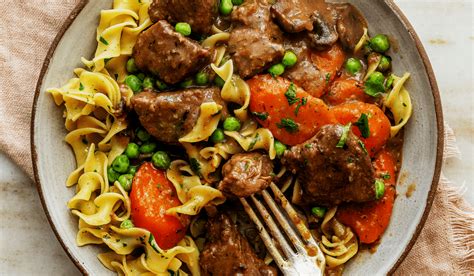
Embrace the Low and Slow Cooking Method
This is arguably the most critical step for tender beef. Connective tissue, which makes meat tough, breaks down into gelatin when exposed to low heat over a long period. This process transforms tough fibers into a silky, succulent texture.
- Temperature: Cook your stew at a gentle simmer, not a rolling boil. A low oven temperature (around 300-325°F or 150-160°C) is ideal for even heat distribution.
- Time: Patience is key. Stew beef typically needs at least 2-3 hours of simmering, sometimes up to 4 hours or more, depending on the cut and size of the pieces. Don’t rush it; the beef is done when it easily pulls apart with a fork.
- Liquid: Ensure the beef is mostly submerged in liquid (broth, wine, tomatoes) throughout the cooking process to prevent it from drying out.
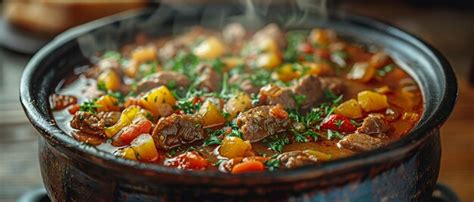
Leverage Acidic Ingredients
Acidic ingredients play a helpful role in tenderizing meat. Acids help to break down tough muscle fibers and connective tissue, especially when combined with slow cooking. Common acidic additions to country stew include:
- Tomatoes: Canned diced tomatoes, tomato paste, or crushed tomatoes.
- Wine: Red wine, especially a dry variety like Cabernet Sauvignon or Merlot, adds incredible flavor and acidity.
- Vinegar: A splash of apple cider vinegar or red wine vinegar can boost tenderness.
Add these ingredients early in the cooking process to give them ample time to work their magic.
Resist the Urge to Peek (and Stir Too Much)
While it’s tempting to constantly check on your stew, frequent lifting of the lid releases heat and slows down the cooking process. Trust the low and slow method. Similarly, excessive stirring can break up the beef prematurely before it’s fully tender, leading to a mushy texture instead of distinct, fall-apart pieces.
The Final Touch: A Little Rest
Just like a good steak, letting your stew rest for 10-15 minutes after it’s finished cooking allows the juices to redistribute, resulting in even more succulent and flavorful beef. This short pause also allows the stew to cool slightly, making it more comfortable to eat.
By following these steps, you’ll be well on your way to creating consistently fork-tender country beef stew that will impress everyone at your table. It’s all about respecting the ingredients and giving them the time they need to transform into something truly delicious.