

Secret to lump-free, rich homemade pan gravy from drippings?
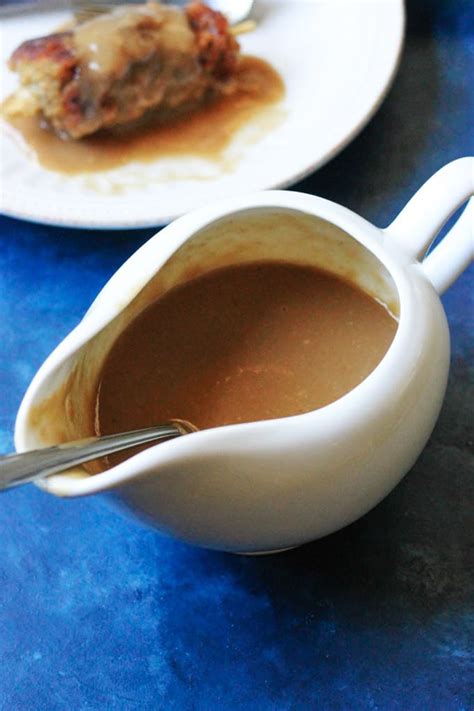
There’s nothing quite like a luscious, homemade pan gravy to elevate a holiday feast or a simple weeknight roast. But for many, the dream of a silky-smooth, intensely flavored gravy often turns into a lumpy, bland nightmare. Fear not, home cooks! The secret to unlocking that perfect, rich, and lump-free gravy lies in a few simple, yet critical, techniques.
The Foundation: Skimming the Fat
The journey to exquisite gravy begins with the precious pan drippings left after roasting your meat. These drippings are packed with concentrated flavor, but also excess fat. For a truly rich (not greasy) gravy, you must separate them.
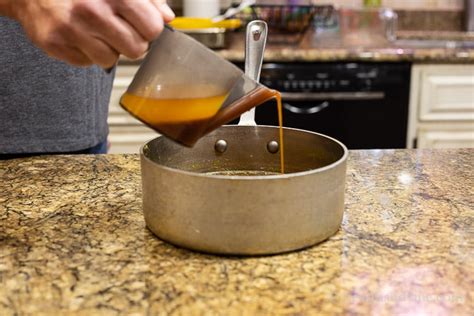
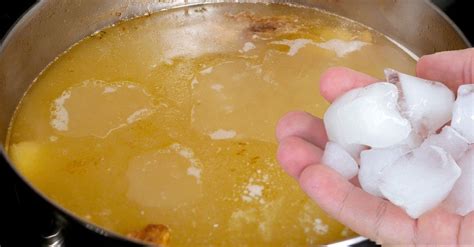
- Decant and Chill (Optional but Recommended): Carefully pour your pan drippings into a heatproof measuring cup or a fat separator. If you have time, chilling them in the fridge for 20-30 minutes will solidify the fat, making it incredibly easy to spoon off.
- Manual Skimming: Alternatively, use a spoon or ladle to carefully skim the rendered fat from the top, leaving the flavorful liquid drippings (often called “fond”) at the bottom. Aim to leave about 2-3 tablespoons of fat for your roux, discarding or saving the rest.
The Secret Weapon: A Perfect Roux
The roux is the unsung hero of lump-free gravy. It’s a cooked mixture of fat and flour that not only thickens your gravy but also prevents lumps and adds a subtle nutty flavor.
- Ratio is Key: For every cup of liquid you plan to add, you’ll typically need 1 tablespoon of fat and 1 tablespoon of all-purpose flour. So, if you have 2 tablespoons of fat saved from your drippings, you’ll use 2 tablespoons of flour.
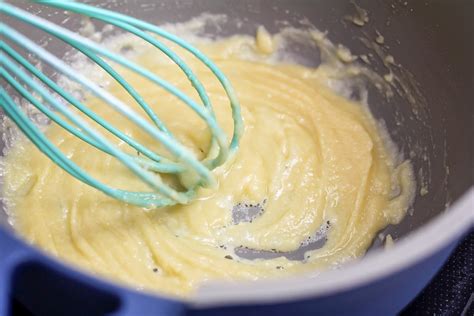
- Cooking the Roux: Heat the reserved fat in your pan over medium heat. Once shimmering, whisk in the flour until a smooth paste forms. Cook this mixture, stirring constantly, for 1-2 minutes for a pale roux (ideal for poultry gravy) or 3-5 minutes for a light brown roux (adding deeper flavor, great for beef). The goal is to cook out the raw flour taste.

Gradual Liquid Addition for Smoothness
This step is where lumps are often born, but with the right technique, you’ll achieve unparalleled smoothness.
- Warm Your Liquid: Have your chosen liquid ready – usually chicken, beef, or vegetable broth, wine, or even water. Crucially, warm the liquid gently on the stovetop or in the microwave before adding it to the roux. Adding cold liquid to a hot roux can cause it to seize and lump.
- Whisk Continuously: While whisking constantly, gradually pour the warm liquid into the roux, a little at a time. Start with about half a cup, whisking vigorously until fully incorporated and smooth before adding more. Continue adding liquid in a slow, steady stream until all liquid is incorporated and the gravy begins to thicken.
Simmering, Seasoning, and Finishing Touches
Once your liquid is incorporated, your gravy needs time to develop its full flavor and reach the desired consistency.
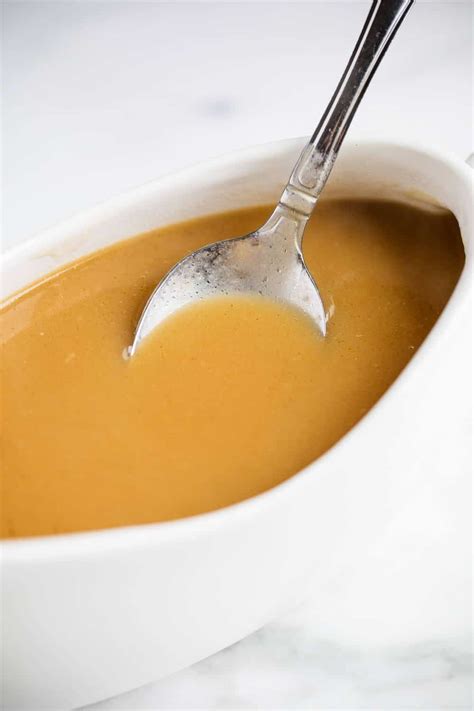
- Simmer and Thicken: Bring the gravy to a gentle simmer, whisking occasionally. Let it simmer for 5-10 minutes, allowing it to thicken as the flour fully activates. If it gets too thick, whisk in a little more warm broth or water. If it’s too thin, let it simmer longer, or if desperate, make a slurry of cornstarch and water and whisk in a small amount.
- Seasoning to Perfection: This is where you bring your gravy to life. Taste frequently and adjust with salt and freshly ground black pepper. Consider adding a splash of dry sherry, red wine, or brandy for extra depth, a dash of Worcestershire sauce, or a pinch of fresh herbs like thyme or sage. A knob of butter swirled in at the very end adds a beautiful sheen and richness.
Troubleshooting Common Gravy Problems
Even with the best intentions, gravy can sometimes present challenges.
- Lumpy Gravy: If you end up with a few stubborn lumps, don’t despair! Pass the gravy through a fine-mesh sieve or give it a quick blitz with an immersion blender.
- Too Thin: Simmer longer to reduce, or whisk in a very small amount of a cornstarch slurry (1 tsp cornstarch mixed with 1 tsp cold water) and bring to a simmer.
- Too Thick: Whisk in more warm broth or water, a tablespoon at a time, until the desired consistency is reached.
- Bland Flavor: This often happens when not enough drippings were used, or the liquid was under-seasoned. Enhance flavor with more salt and pepper, a dash of concentrated broth base, a splash of wine, or a touch of umami-rich ingredients like mushroom powder or soy sauce.
With these simple techniques, you’ll transform humble pan drippings into a spectacular, lump-free, and rich homemade gravy that will be the crowning glory of any meal. Happy cooking!