


How to save heirloom tomato seeds for next year’s garden?

Saving seeds from your most cherished heirloom tomato varieties is a sustainable and satisfying way to ensure you can enjoy their unique flavors and characteristics year after year. Unlike hybrid tomatoes, heirloom varieties produce seeds that grow true to the parent plant, making them perfect candidates for home seed saving. This guide will walk you through the simple, yet crucial, steps to successfully save your heirloom tomato seeds for next year’s bountiful garden.
Why Save Heirloom Tomato Seeds?
Beyond the joy of self-sufficiency, saving heirloom tomato seeds offers several compelling benefits. It allows you to preserve rare or unique varieties that might not be available commercially, adapt plants to your specific garden’s microclimate over generations, and save money that would otherwise be spent on purchasing new seeds each season. It also fosters a deeper connection to your food and gardening cycle.

Step-by-Step Guide to Seed Saving
1. Selecting the Right Tomatoes
The quality of your saved seeds begins with the quality of the parent fruit. Choose ripe, healthy tomatoes from strong, disease-free plants that produced the best-tasting fruit. Avoid selecting tomatoes from plants that showed signs of disease or produced poorly, as these traits can be passed on. The fruit should be fully mature – past eating ripeness but not rotten – to ensure the seeds are viable.
2. Extracting and Fermenting the Seeds
Tomato seeds are encased in a gelatinous sac that inhibits germination. Fermentation is the natural process used to break down this sac and separate viable seeds from pulp and potential disease pathogens. Cut your selected tomatoes in half horizontally and gently squeeze the seeds and accompanying pulp into a clean jar or container. Add a small amount of water, just enough to cover the seed mixture. Cover the jar loosely (a coffee filter or cheesecloth secured with a rubber band works well) to allow air circulation but keep out insects. Place the jar in a warm spot, out of direct sunlight, for 2-5 days. Stir the mixture daily.
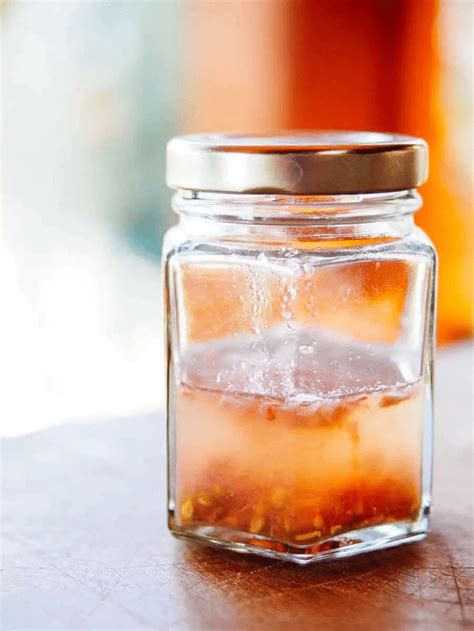
During fermentation, a layer of mold may form on top, and the mixture might smell slightly yeasty – this is normal. Viable seeds will sink to the bottom, while pulp, non-viable seeds, and mold will float. The fermentation process is complete when the mold layer is clearly visible, and most of the seeds have sunk.
3. Cleaning and Rinsing
Once fermentation is complete, carefully pour off the moldy top layer and any floating pulp. Add fresh water to the jar, swirl, and then pour off the water, leaving the settled seeds behind. Repeat this rinsing process several times until the water runs clear and only clean seeds remain at the bottom. This ensures all pulp and germination inhibitors are removed.
4. Drying the Seeds Properly
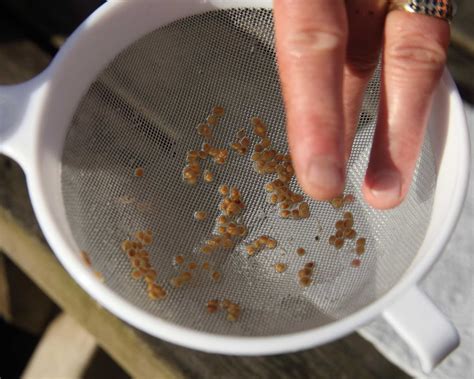
After rinsing, strain the clean seeds through a fine-mesh sieve. Transfer the seeds onto a non-stick surface for drying. Ceramic plates, glass, or parchment paper work well. Avoid paper towels, as the seeds will stick. Spread the seeds out in a single layer to ensure even drying. Place them in a warm, dry area with good air circulation, away from direct sunlight. Stir or gently separate the seeds daily to prevent clumping and encourage thorough drying. Seeds are fully dry when they snap easily rather than bending, typically taking 1-2 weeks depending on humidity.
5. Storing Your Precious Seeds
Once completely dry, store your heirloom tomato seeds in airtight containers, such as small glass jars, plastic baggies, or paper envelopes. Label each container clearly with the tomato variety and the date the seeds were saved. Store the containers in a cool, dark, and dry place. A pantry, closet, or even a refrigerator can work well. Proper storage is crucial for maintaining seed viability, ensuring they’ll sprout vigorously when you plant them next spring.
Tips for Success
- Isolate Varieties: If you are saving seeds from multiple heirloom tomato varieties and want to maintain genetic purity, consider isolating plants (e.g., by covering blossoms before they open) to prevent cross-pollination by insects. For casual home gardeners, cross-pollination is less of a concern, as tomatoes are largely self-pollinating.
- Test Viability: If unsure about the viability of older seeds, perform a germination test by placing a few seeds on a damp paper towel in a plastic baggie and observing how many sprout.
Saving heirloom tomato seeds is a rewarding practice that connects you deeply to the cycle of nature and ensures the continuation of your favorite flavors. With these simple steps, you’ll be well on your way to a self-sustaining and incredibly flavorful tomato harvest year after year.