



How to adapt seasonal garden produce into classic country recipes?

There’s an unparalleled joy in harvesting fresh produce from your garden, a vibrant testament to nature’s cycles. But what’s the next step after gathering those sun-ripened tomatoes, crisp greens, or sweet berries? The answer lies in the timeless appeal of classic country recipes – dishes known for their simplicity, heartiness, and ability to make the most of what’s available. This article explores how to seamlessly bridge the gap between your garden’s seasonal abundance and the comforting embrace of traditional country cooking.
Embracing the Ethos of Country Cooking
Country cooking, at its heart, is about resourcefulness and flavor. It champions ingredients at their peak, minimizing waste and maximizing taste. When adapting seasonal produce, consider these core principles:
- Simplicity: Fresh, high-quality ingredients often require little embellishment. Let the natural flavors shine.
- Seasonality: This is the golden rule. Using produce when it’s naturally in season ensures the best flavor and nutritional value.
- From Scratch: Many country recipes are built from basic components, allowing for easy substitutions and personal touches.
Key Strategies for Culinary Adaptation
The beauty of country recipes is their inherent flexibility. Here are several ways to incorporate your garden’s treasures:
1. Direct Swaps and Substitutions
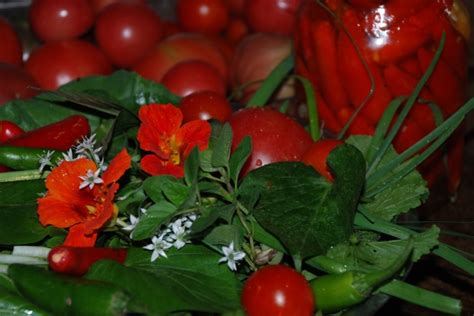
Often, it’s as simple as swapping a store-bought ingredient for a fresh garden equivalent. For instance, replace canned green beans with freshly snapped ones in a hearty casserole, or use ripe garden tomatoes instead of diced canned tomatoes in a slow-simmered ragu. Consider substituting different types of squash or greens based on what’s thriving in your garden. A classic chicken pot pie can incorporate garden peas, carrots, and potatoes with ease.
2. Enhancing Flavor Profiles
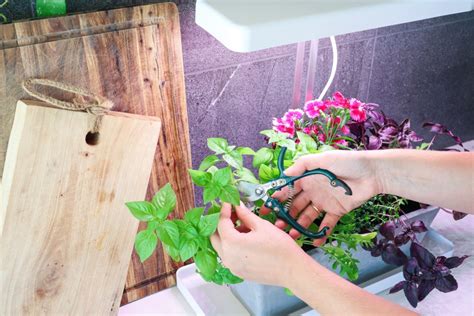
Seasonal produce can elevate a standard dish. Fresh herbs like parsley, thyme, and rosemary from your garden can infuse stews, roasts, and gravies with unparalleled aroma. Imagine a traditional beef stew enriched with newly dug potatoes and carrots, brightened by fresh bay leaves and thyme. Or a simple cornbread made savory with garden-fresh corn kernels and chopped chives.

3. Mastering Preservation Techniques
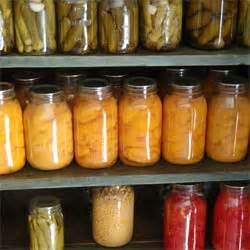
When the garden yields more than you can immediately consume, country cooking teaches us the art of preservation. Pickling cucumbers, green beans, or even peppers allows you to enjoy their crunch and tang long after the season ends. Canning tomatoes into sauces, salsas, or whole peeled tomatoes captures their summer essence. Making jams and jellies from berries, peaches, or plums ensures a taste of summer on your breakfast toast during colder months. These preserved items then become staple ingredients for other classic country dishes throughout the year.

Examples by Produce Type
Summer Abundance: Tomatoes, Zucchini, Berries
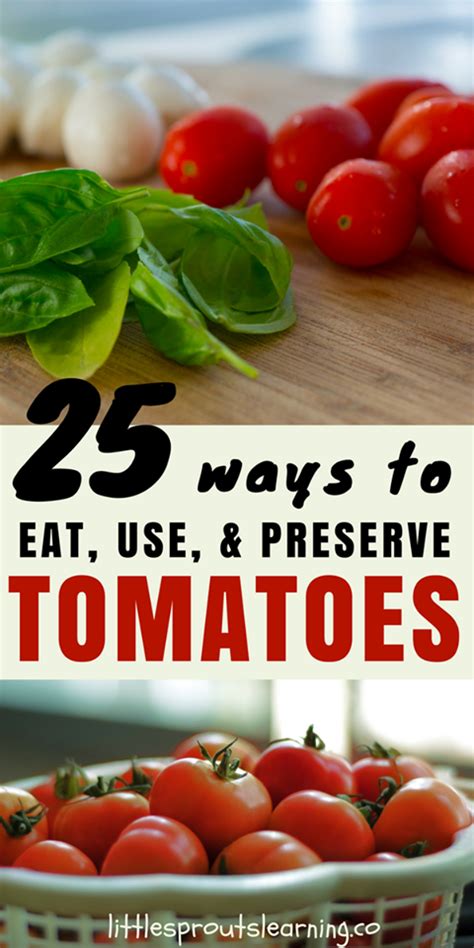
Tomatoes: From a simple slice on a BLT to a rich tomato pie with a flaky crust, garden tomatoes are incredibly versatile. They are the backbone of many country pasta sauces, stews, and ratatouilles. A classic “fried green tomatoes” recipe is perfect for end-of-season unripe fruit.
Zucchini: Beyond grilling, zucchini can be shredded into fritters, baked into breads, or hollowed out and stuffed with savory fillings for a hearty meal. Classic country gratin often features layers of sliced zucchini and cheese.
Berries: Use fresh berries in cobblers, crisps, pies, and tarts. A simple berry compote can accompany pancakes or ice cream, or be swirled into homemade yogurt. For a more traditional touch, try a berry shortcake using your garden’s best.
Autumn Harvest: Root Vegetables, Squash, Apples
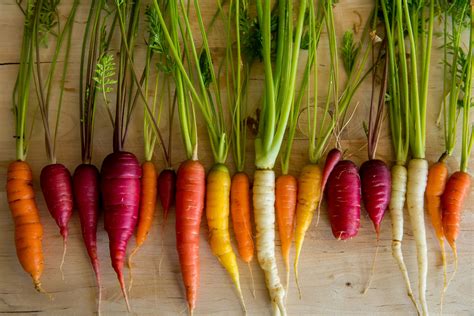
Root Vegetables (Potatoes, Carrots, Parsnips): These form the foundation of countless country roasts, stews, and mashed dishes. Roasting them with herbs brings out their natural sweetness, while incorporating them into a hearty pot roast makes for a deeply satisfying meal.
Squash (Butternut, Acorn, Pumpkin): Baked, roasted, or pureed into soups, squash is a country kitchen staple. Think creamy butternut squash soup, roasted acorn squash with maple syrup, or a classic pumpkin pie from scratch.
Apples: Beyond pies, apples shine in crumbles, baked apples, and even savory dishes like pork roasts. Applesauce made from garden apples is infinitely superior to store-bought versions.

Tips for Success
- Taste as You Go: Adjust seasonings and ingredients based on the unique flavor of your garden’s bounty.
- Embrace Imperfections: Don’t discard oddly shaped or slightly bruised produce; it often tastes just as good and is perfect for mashing, stewing, or pureeing.
- Consult Old Cookbooks: Many vintage country cookbooks offer foundational recipes that are easily adaptable.
- Don’t Be Afraid to Experiment: If you have an abundance of one vegetable, search for new ways to incorporate it into familiar dishes.
Connecting your garden’s yield to the warmth of classic country cooking is a rewarding journey. It’s a practice that celebrates sustainability, flavor, and the simple pleasures of home-cooked meals. So next time you step into your garden, let its offerings inspire your kitchen, transforming fresh produce into comforting, timeless dishes that nourish both body and soul.