



Easiest ways to preserve excess garden tomatoes naturally?
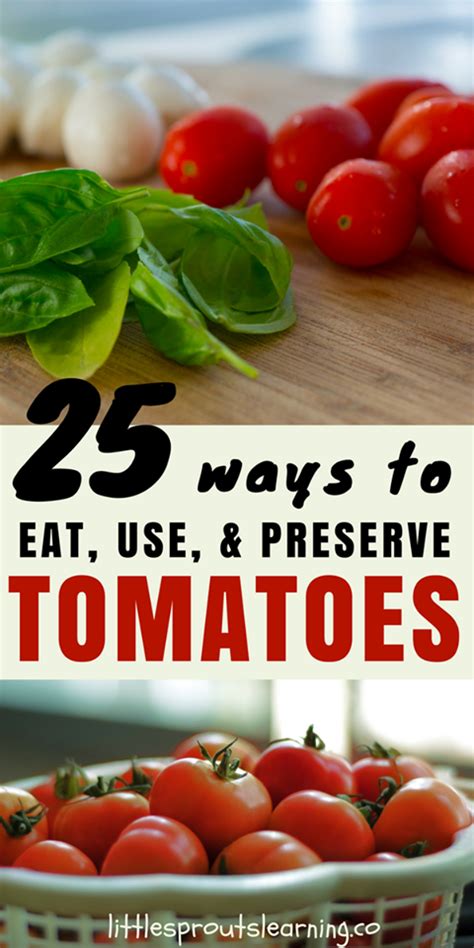
Embrace Your Bountiful Tomato Harvest
There’s nothing quite like the taste of a sun-ripened tomato straight from your garden. However, when your plants produce more than you can possibly eat fresh, it’s time to consider preservation. Luckily, keeping that vibrant flavor alive throughout the year is easier than you might think, using simple and natural methods that require minimal fuss.
From freezing to canning and drying, these techniques will help you manage your excess harvest efficiently and deliciously.
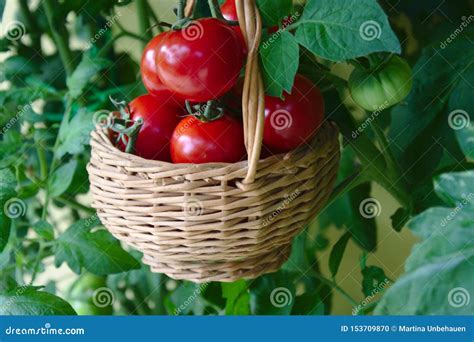
Freezing: The Simplest Solution
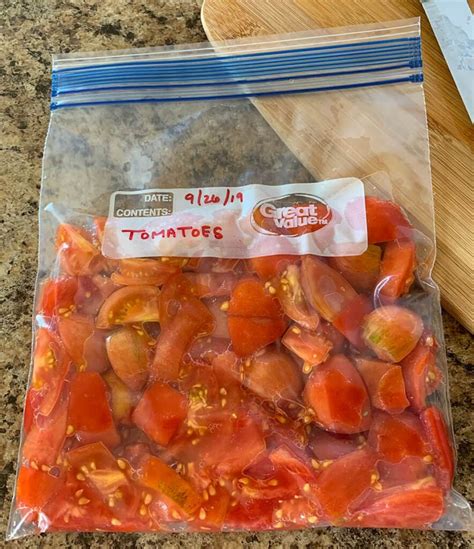
Freezing is arguably the easiest way to preserve tomatoes, requiring no special equipment beyond a freezer and some freezer-safe bags or containers. You can freeze tomatoes whole, chopped, or pureed, making it incredibly versatile.
Whole or Halved Tomatoes
For whole tomatoes, simply wash and dry them thoroughly. You can core them if you wish, but it’s not strictly necessary. Place them on a baking sheet in a single layer to freeze solid, then transfer to freezer bags. This prevents them from sticking together. When ready to use, simply run them under warm water, and the skins will slip right off, making them perfect for sauces or stews.
Tomato Puree or Sauce
For an even more convenient option, cook down your tomatoes into a puree or a basic sauce. This saves space and prep time later. Wash, core, and chop your tomatoes, then simmer them until soft. Pass them through a food mill or blend them for a smooth consistency. Let the puree cool completely, then pour into freezer-safe containers, leaving headspace for expansion. Frozen tomato puree is fantastic for soups, chili, and pasta dishes.
Water Bath Canning: A Classic Approach
Canning offers a shelf-stable way to preserve tomatoes, meaning they can be stored at room temperature for extended periods. While it requires a bit more effort than freezing, the satisfaction of rows of jarred tomatoes is immense. It’s crucial to follow safety guidelines, especially regarding acidity for water bath canning.
Crushed or Diced Tomatoes
Wash, core, and chop your tomatoes. You can blanch and peel them first if you prefer a smoother texture. Pack them into clean canning jars, leaving about 1/2 inch headspace. Add a little lemon juice or citric acid to each jar to ensure proper acidity for water bath canning – this is a critical safety step! Process them in a boiling water bath according to recommended times for your jar size and altitude.
Homemade Tomato Sauce
To can tomato sauce, simmer your tomatoes until reduced to your desired consistency. Add herbs and spices if you like. Fill hot jars with hot sauce, again ensuring proper acidity with lemon juice or citric acid. Process in a boiling water bath. Always consult a reputable canning guide (like those from the USDA or university extensions) for precise instructions and safety protocols.
Drying: Concentrating Flavor Naturally
Drying tomatoes concentrates their flavor, turning them into sweet, chewy delights perfect for salads, pasta, or snacking. This can be done with a food dehydrator, in a low oven, or, in hot climates, by sun-drying.
Dehydrator or Oven Drying
Wash and slice your tomatoes about 1/4 to 1/2 inch thick. Cherry tomatoes can be halved. Arrange them in a single layer on dehydrator trays or baking sheets lined with parchment paper. Dry at a low temperature (around 135°F / 57°C) until they are leathery and pliable, not brittle. Store dried tomatoes in airtight containers in a cool, dark place, or cover them with olive oil in jars for refrigeration.

Roasting for Flavor and Preservation
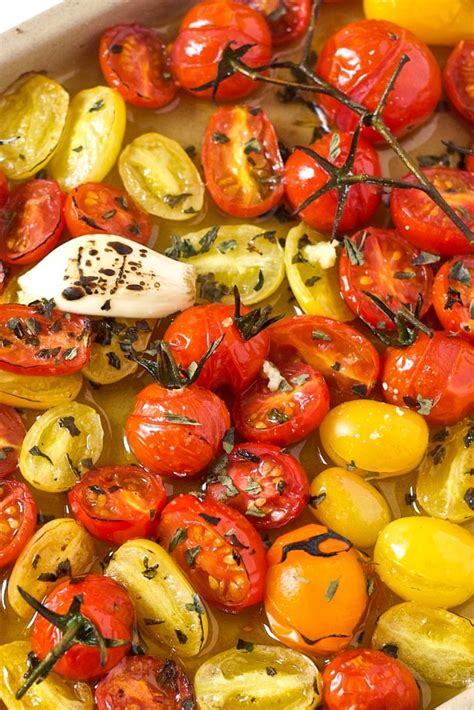
Roasting tomatoes intensifies their sweetness and creates a delicious base for sauces, soups, or even just topping for bruschetta. While not a long-term shelf-stable method on its own, roasted tomatoes can be frozen or preserved in oil (with proper refrigeration).
Halve or quarter your tomatoes, toss with olive oil, salt, and pepper, and roast at a moderate temperature (around 300°F / 150°C) until shriveled and caramelized. Once cooled, pack them into jars, cover with olive oil, and refrigerate for several weeks, or freeze portions for longer storage.
Enjoy Your Garden’s Bounty Year-Round
Don’t let a glut of garden tomatoes go to waste. With these natural and straightforward preservation methods, you can capture the essence of summer and enjoy your homegrown flavors throughout the colder months. Whether you choose the ease of freezing, the tradition of canning, or the intense flavor of drying, your future self will thank you for the delicious foresight.