

Secret to light, flaky pie crust using lard, perfect for homemade fruit pies?
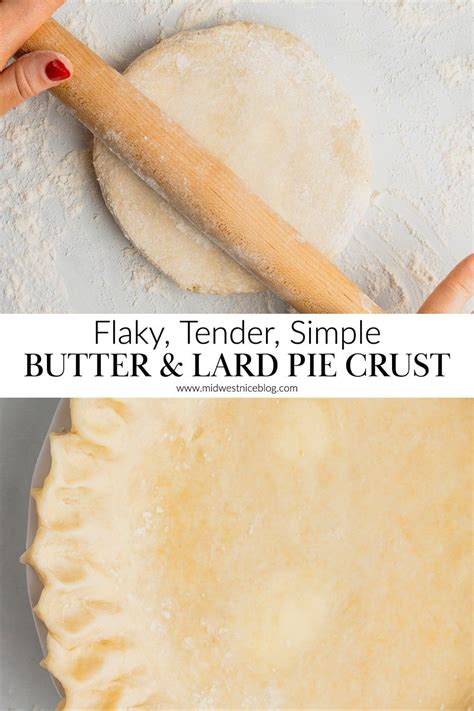
For generations, home bakers have sought the elusive secret to a truly light, flaky, and tender pie crust. While butter certainly has its place, the true connoisseur of classic fruit pies knows that one ingredient stands above the rest for unparalleled texture: lard. Often misunderstood or overlooked, lard is a powerhouse fat that delivers a delicate crispness and depth of flavor that can transform your homemade pies from good to absolutely unforgettable.
The Undeniable Advantage of Lard
What makes lard so special for pie crust? It boils down to its unique molecular structure and melting point. Lard has larger fat crystals than butter and a higher melting point, which means it stays solid longer when baking. As the crust bakes, these solid pieces of lard melt slowly, creating tiny pockets of steam that expand and push apart the layers of dough. This process results in an incredibly airy, flaky texture that shatters beautifully with every bite, without being greasy or heavy.
Key Ingredients for Pie Crust Perfection
Crafting a stellar lard pie crust requires just a few simple, high-quality ingredients:
- All-Purpose Flour: Unbleached is often preferred for better flavor and texture.
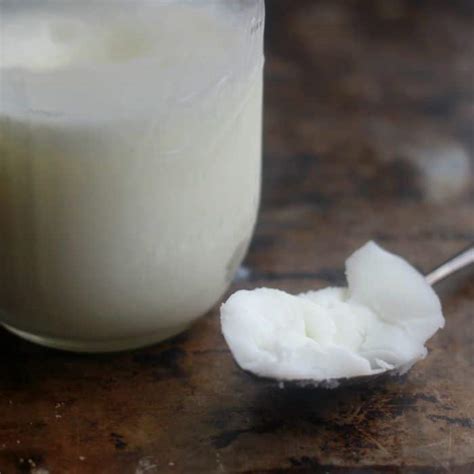
- Pure Lard: Opt for good quality, preferably leaf lard, for the most neutral flavor and best results. Ensure it’s very cold.
- Ice Water: Crucial for keeping the fat cold and preventing gluten development.
- Salt: Enhances flavor and balances the richness.
Mastering the Method: Step-by-Step for Flakiness
Step 1: Keep Everything Cold
This is arguably the most critical step. Your lard should be straight from the refrigerator, ideally even chilled in the freezer for 15-20 minutes. Your water should be ice cold, and some bakers even chill their flour and mixing bowl. Cold ingredients prevent the lard from melting into the flour too quickly, ensuring distinct fat pockets that create flakiness.
Step 2: Combine Dry Ingredients
In a large bowl, whisk together your flour and salt. This ensures even distribution before the fat is added.
Step 3: Incorporate the Lard Precisely
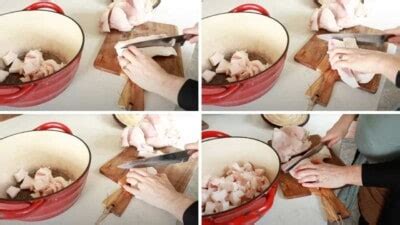
Cut the cold lard into small cubes (about ½-inch). Add it to the flour mixture. Using a pastry blender, your fingertips, or a food processor (pulsing sparingly!), cut the lard into the flour until the mixture resembles coarse meal with some pea-sized pieces of lard remaining. These visible pieces are key to flakiness.
Step 4: Add Ice Water Gradually
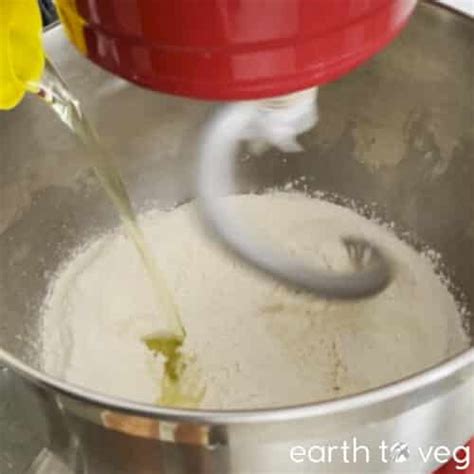
Start by drizzling in 4-5 tablespoons of ice water, mixing gently with a fork or your hands until the dough just begins to come together. Add more water, one tablespoon at a time, until the dough forms a shaggy ball that holds together when squeezed but is not sticky or wet. Be careful not to add too much water, as this will develop gluten and make the crust tough.
Step 5: Minimize Handling and Chill
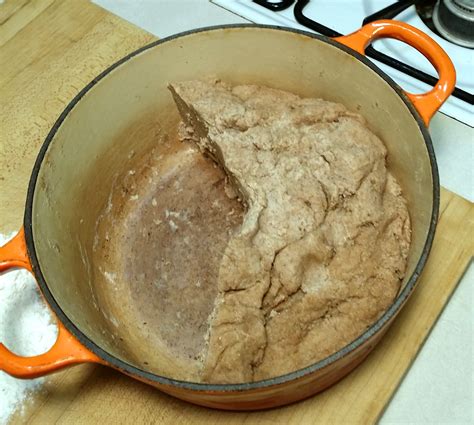
Divide the dough into two discs (for a double-crust pie) or one larger disc (for a single crust). Flatten them slightly, wrap tightly in plastic wrap, and refrigerate for at least 30 minutes, or up to 2 days. This resting period allows the flour to fully hydrate and the gluten to relax, making the dough easier to roll and ensuring a more tender crust.
Step 6: Roll with Confidence
On a lightly floured surface, roll out one disc of chilled dough from the center outwards, rotating frequently to prevent sticking. Aim for an even thickness (about ⅛-inch) and a circle slightly larger than your pie plate. Carefully transfer the dough to your pie plate.
Troubleshooting and Tips for Success
- Don’t Overwork: Excessive handling develops gluten, leading to a tough crust. Work quickly and gently.
- Keep it Cold: If your kitchen is warm, or the dough becomes too soft, pop it back into the fridge for 10-15 minutes.
- Blind Baking: For very wet fruit fillings, consider blind baking your bottom crust partially to prevent sogginess.
- Flavor Profile: High-quality lard is virtually flavorless, allowing the taste of your fruit filling to shine through.
The Ultimate Partner for Homemade Fruit Pies
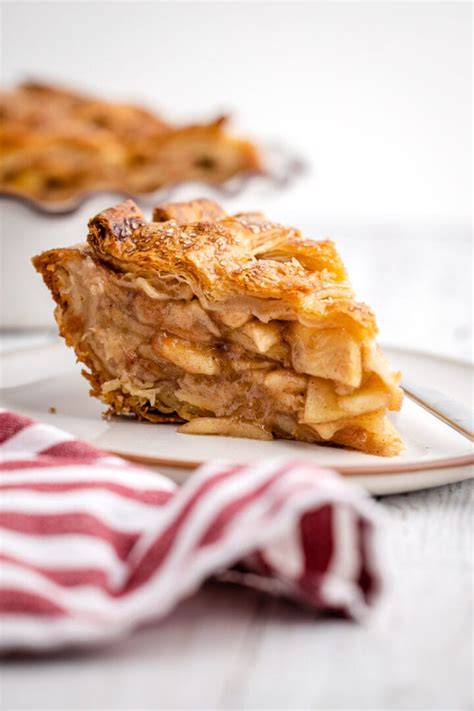
A perfectly flaky lard crust is the ideal canvas for any fruit pie. Its neutral flavor highlights the sweetness and tartness of apples, berries, peaches, or cherries, while its incredible tenderness provides a delightful textural contrast to the soft fruit filling. The rich, golden-brown finish of a lard crust also adds a beautiful rustic appeal to your homemade masterpiece.
Embracing lard in your pie-making journey might just be the secret weapon you’ve been searching for. With a little practice and adherence to these tips, you’ll be creating stunning, light, and flaky pie crusts that will impress everyone at your table and elevate your homemade fruit pies to legendary status.