How to involve kids in real food garden-to-table meal prep?
Cultivating Little Chefs: From Soil to Supper
In a world increasingly disconnected from where food comes from, involving children in the journey from garden to table offers a powerful antidote. It’s not just about growing vegetables; it’s about nurturing curiosity, teaching life skills, promoting healthy eating habits, and creating unforgettable family memories. Getting kids involved in meal prep that starts in the garden can transform picky eaters into enthusiastic food adventurers. Here’s how to make it a delicious and educational experience.

Getting Their Hands Dirty: The Garden Stage
The first step to garden-to-table prep is, naturally, the garden itself. Involve children from the very beginning. Let them help choose what to plant, considering their favorites (peas, cherry tomatoes, strawberries are often big hits). Give them their own small patch or container to manage. Tasks like sowing seeds, watering, weeding, and observing growth teach patience and responsibility. They’ll be far more invested in eating something they’ve helped grow from a tiny seed.
- Seed Selection: Let them pick colorful seed packets.
- Planting: Show them how to sow seeds or plant seedlings gently.
- Care & Nurturing: Assign daily watering duties or pest checks.
- Observation: Encourage them to notice changes and identify different plants.
Harvesting Happiness and Prepping Produce
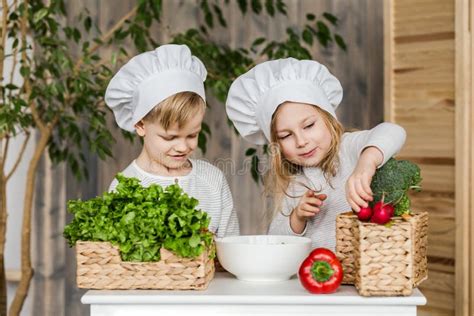
The excitement of harvesting is unparalleled, especially for kids. Teach them how to pick ripe produce without damaging the plant. Once harvested, bring the bounty indoors and make cleaning a fun, collaborative effort. Simple tasks like washing vegetables, husking corn, or shelling peas are perfect for little hands and build fine motor skills. This stage is crucial for understanding food safety and preparation basics.
Transforming freshly picked greens, juicy tomatoes, or crisp carrots into meal components becomes a natural progression. Talk about the textures, colors, and smells. Let them help sort, rinse, and perhaps even tear lettuce for a salad.

Kitchen Adventures: Age-Appropriate Tasks
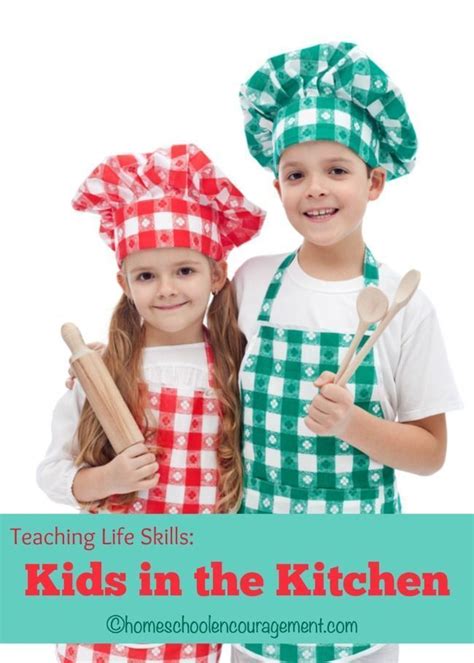
Once the produce is clean, it’s time for the real meal prep to begin. Assign tasks based on their age and skill level, always prioritizing safety.
Toddlers (1-3 years):
- Washing fruits and vegetables in a bowl of water.
- Stirring ingredients in a bowl (non-hot items).
- Tearing lettuce or herbs.
- Adding pre-measured ingredients.
Preschoolers (4-5 years):
- Mashing soft fruits/vegetables (bananas, cooked potatoes).
- Peeling cooked potatoes or hard-boiled eggs.
- Cutting soft items with a butter knife (cucumber, cooked pasta).
- Using cookie cutters on dough or sandwiches.

School-Aged Kids (6-10 years):
- Measuring and pouring ingredients accurately.
- Chopping soft vegetables with a child-safe knife (under supervision).
- Cracking eggs.
- Using a grater (with supervision).
- Reading simple recipes.
Pre-Teens and Teens (11+ years):
- Operating kitchen appliances (blenders, food processors, stoves – with training and supervision).
- Following more complex recipes.
- Developing their own simple recipes.
- Taking responsibility for entire meal components.
From Idea to Plate: Meal Planning and Creativity
Encourage children to be part of the meal planning process. If they’ve harvested a bounty of zucchini, brainstorm together what meals can be made with it (zucchini noodles, grilled zucchini, zucchini bread). This fosters creativity and problem-solving skills. Let them experiment with flavors, perhaps creating their own salad dressing or seasoning blend. The more ownership they feel over the meal, the more likely they are to enjoy eating it.

Savoring the Success: The Family Meal
The culmination of all their hard work is the shared family meal. This is where they see the fruits of their labor, quite literally. Praise their contributions and acknowledge their efforts. Eating together reinforces the idea that food is a communal experience and a source of joy. They will feel immense pride in saying, “I grew this!” or “I helped make this!” This pride often translates into a willingness to try new foods and appreciate healthy eating.

Cultivating Healthy Habits for Life
Involving kids in garden-to-table meal prep is more than just a fun activity; it’s an investment in their future. It teaches them about nutrition, sustainability, self-sufficiency, and the value of hard work. It strengthens family bonds and creates lasting memories around food. Start small, be patient, and let the natural wonder of growing and cooking real food inspire your little ones to become healthy, happy, and confident creators in the kitchen and beyond.