

How to properly season and maintain cast iron cookware for country cooking?
Cast iron cookware holds a cherished place in kitchens, particularly for those who embrace the heartiness and tradition of country cooking. Its unparalleled heat retention, even distribution, and ability to impart a unique flavor make it an indispensable tool. However, unlocking its full potential and ensuring its longevity hinges entirely on proper seasoning and diligent maintenance. Far from being a chore, caring for cast iron is a simple, rewarding process that builds a non-stick surface and creates a cooking legacy.
The Cornerstone: Initial Seasoning
Whether you’ve just acquired a brand-new skillet or inherited a rusty family heirloom, the journey begins with proper seasoning. This process involves baking thin layers of oil onto the pan, which polymerizes into a hard, protective, and naturally non-stick coating.
![Cheesy Garlic Bread [4K UHD Video] - YouTube](/images/aHR0cHM6Ly90czEubW0uYmluZy5uZXQvdGg/aWQ9T0lQLkdDaHBKSk4xYmFvMFUybmxLZVhKRVFIYUVLJnBpZD0xNS4x.webp)
For New or Bare Cast Iron:
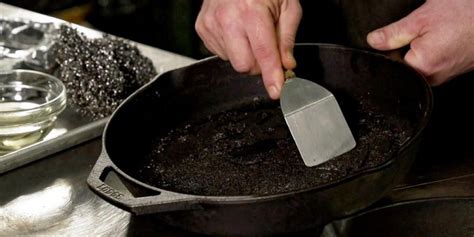
- Clean Thoroughly: Wash the pan with hot, soapy water (this is one of the few times soap is acceptable for bare cast iron) and a stiff brush to remove any factory wax or rust. Rinse thoroughly.
- Dry Completely: Immediately place the pan over medium heat on the stovetop for a few minutes until all moisture has evaporated. Water is cast iron’s enemy.
- Apply Thin Oil Coat: Once cool enough to handle, apply a very thin, even layer of high smoke point cooking oil (like flaxseed, grapeseed, canola, or vegetable oil) over the entire surface – inside, outside, and handle. Use a paper towel to wipe off any excess; it should look dry, not greasy. Excess oil will lead to sticky, uneven seasoning.
- Bake It On: Preheat your oven to 450-500°F (230-260°C). Place the cast iron upside down on the middle rack, with a baking sheet or aluminum foil on the rack below to catch any drips.
- Polymerize: Bake for one hour. Turn off the oven and let the pan cool completely inside the oven. This allows the oil to polymerize and bond with the iron.
- Repeat: For optimal results, repeat steps 3-5 at least 3-5 times. The more layers, the better the seasoning.
Everyday Use and Maintenance for Optimal Performance
A well-seasoned pan isn’t just for display; it’s meant to be used! Regular cooking, especially with fats, continuously improves the seasoning. But post-cooking care is crucial to maintaining that perfect surface.
- Preheat Properly: Always preheat your cast iron slowly and thoroughly over medium heat before adding food. This prevents sticking and ensures even cooking.
- Cook with Fat: When cooking, use a bit of oil, butter, or animal fat. This not only aids cooking but also contributes to the seasoning.
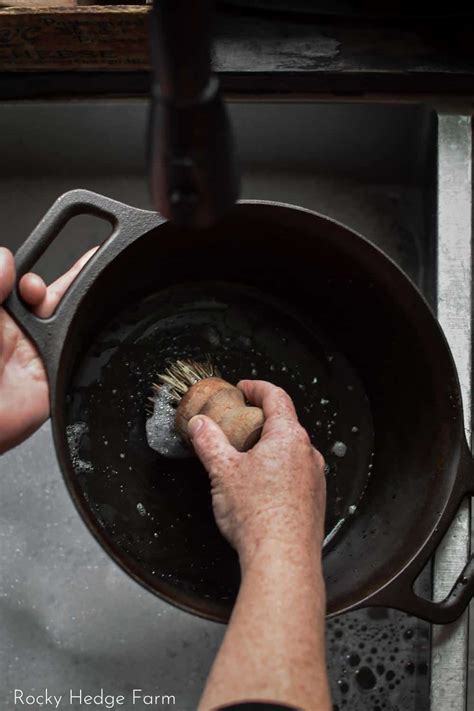
- Clean Immediately (No Soap!): After cooking, while the pan is still warm (but not scalding hot), clean it. Avoid harsh dish soap as it can strip seasoning. For most cleaning, hot water and a stiff brush, nylon scraper, or chainmail scrubber are sufficient. For stubborn bits, you can use coarse salt as an abrasive.
- Dry Thoroughly: This is critical. After rinsing, immediately dry the pan with a clean towel. For extra assurance, place it back on the stovetop over low heat for a few minutes until completely dry.
- Apply a Maintenance Oil Coat: Once dry and slightly warm, apply another very thin layer of cooking oil to the entire pan, inside and out. Again, wipe off any excess. This protects against rust and continues to build the seasoning.
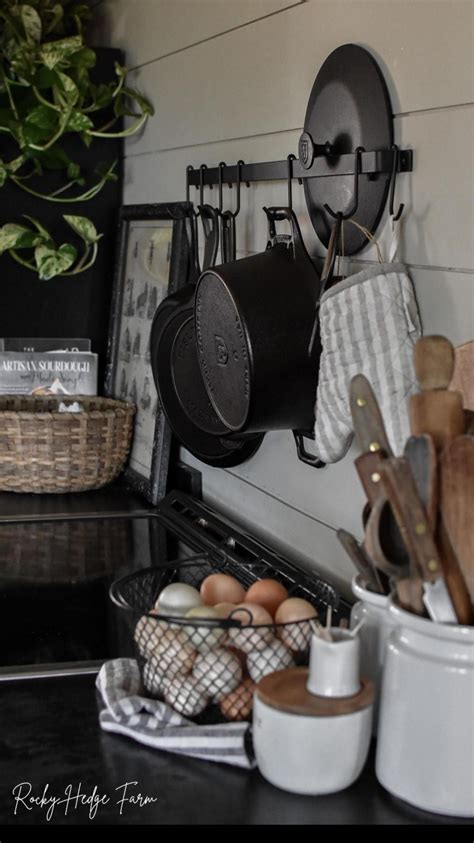
- Store Properly: Store your cast iron in a dry place. If stacking, place a paper towel between pans to prevent moisture build-up and protect the seasoning.
Troubleshooting Common Cast Iron Issues
Even with the best intentions, issues can arise. Knowing how to address them quickly can save your beloved cookware.
Sticking Food:
This is usually a sign of insufficient or uneven seasoning. Re-season the pan, focusing on areas where food sticks. Ensure you’re preheating properly and using enough fat during cooking.
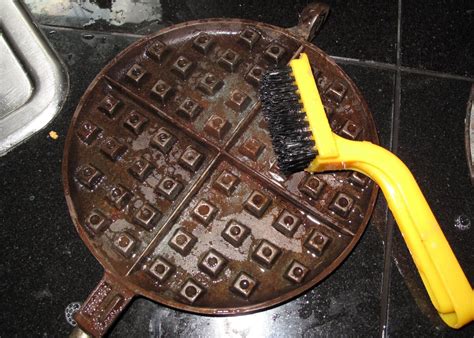
Rust:
Rust occurs when moisture is left on the pan. To remove it, scrub the rusty areas vigorously with steel wool or a stiff brush and warm water. For severe rust, you might need a vinegar bath (equal parts white vinegar and water for no more than an hour, then scrub). After removing rust, immediately dry and re-season the entire pan thoroughly.
Uneven or Flaky Seasoning:
If your seasoning is sticky or flaky, it means the oil layer was applied too thickly or didn’t polymerize properly. Scrub off the problematic areas (or the entire pan if necessary) and re-season with very thin layers of oil, wiping off all excess before baking.
![How to Maintain a Cast Iron Skillet [Infographic] - Best Infographics](/images/aHR0cHM6Ly90czQubW0uYmluZy5uZXQvdGg/aWQ9T0lQLnBIZHdEdE85RHE0QlE3a1NONHMwWmdIYUd1JnBpZD0xNS4x.webp)
Advanced Tips for Long-Term Cast Iron Love
- Deep Conditioning: Occasionally, for an older or frequently used pan, consider doing a full re-seasoning cycle (like the initial seasoning process) to refresh and deepen the protective layer.
- Avoid Extreme Temperature Changes: Rapid heating or cooling can warp cast iron, especially larger pieces. Always allow it to heat and cool gradually.
- Don’t Store Food: Avoid storing cooked food in cast iron for extended periods, especially acidic foods, as this can strip the seasoning and impart a metallic taste.
Embracing cast iron cookware for country cooking is a rewarding experience that connects you to culinary traditions. With proper seasoning and consistent maintenance, your cast iron will not only outlast you but will also become a cherished heirloom, improving with every delicious meal cooked within its seasoned depths. Treat it right, and it will serve you and generations to come with unparalleled performance and flavor.