
Tips for preserving abundant garden produce in easy, year-round homemade recipes?

The joy of a flourishing garden often comes with the challenge of an overwhelming harvest. When cucumbers come in by the bushel and tomatoes ripen faster than you can eat them, preserving your bounty becomes essential. But preservation doesn’t have to be a daunting task involving complex equipment; it can be a straightforward process that extends the life of your fresh produce, allowing you to savor garden-fresh flavors throughout the year with easy homemade recipes.
Strategic Preservation Methods for Every Type of Produce
Choosing the right preservation method depends on the produce and your end goal. Some methods are perfect for retaining a fresh-like quality, while others transform ingredients into entirely new culinary delights. Let’s explore the most accessible techniques.
Freezing: The Go-To for Quick Preservation
Freezing is arguably the easiest way to preserve most fruits and vegetables, maintaining much of their original flavor and nutritional value. For many vegetables, a quick blanching (boiling for a few minutes then plunging into ice water) before freezing helps preserve color, texture, and nutrients.
- Blanched Veggies: Broccoli florets, green beans, peas, corn kernels. After blanching and cooling, spread them in a single layer on a baking sheet to freeze individually, then transfer to freezer bags for easy portioning. Use them in stir-fries, soups, or casseroles.
- Roasted Tomato Sauce: Roast ripe tomatoes with garlic and herbs until softened, then purée and freeze in portions. Perfect for pasta sauces, pizza, or as a base for chili.
- Berry Blends: Freeze berries whole on a tray, then transfer to bags. Ideal for smoothies, pies, or quick jams.
- Pesto Cubes: Make large batches of pesto and freeze in ice cube trays. Once solid, transfer to a freezer bag. Pop out a cube for pasta, sandwiches, or to swirl into soup.
Canning: Shelf-Stable Goodness
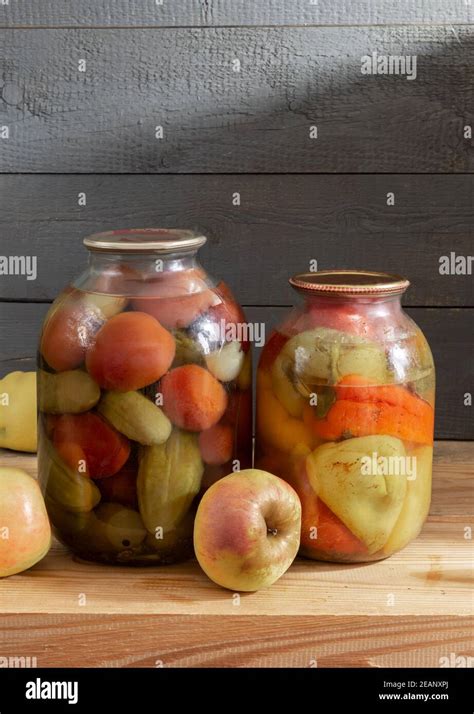
Canning, specifically water bath canning for high-acid foods (like most fruits, pickles, and tomatoes with added acid), or pressure canning for low-acid foods (like most vegetables, meats, and soups), creates shelf-stable products. It requires specific equipment and attention to safety guidelines but opens up a world of culinary possibilities.
- Tomato Salsa: A classic for excess tomatoes, onions, and peppers. Process in a water bath canner for year-round taco nights.
- Fruit Jams & Jellies: Berries, peaches, plums, and apricots are perfect for delicious homemade spreads.
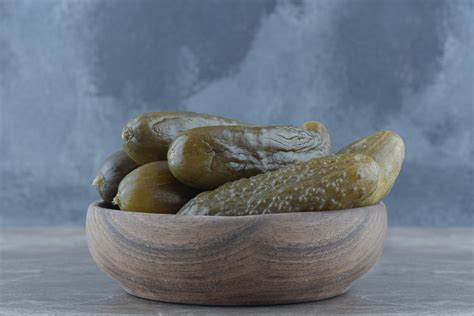
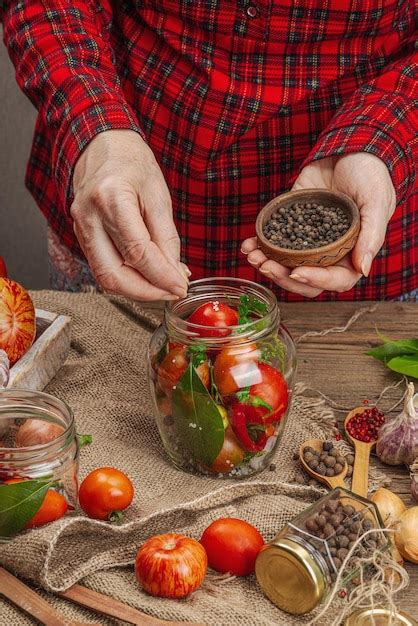
- Pickled Cucumbers & Green Beans: Transform crisp veggies into tangy pickles that are excellent additions to any meal or snack.
Dehydrating: Concentrated Flavors and Lightweight Storage
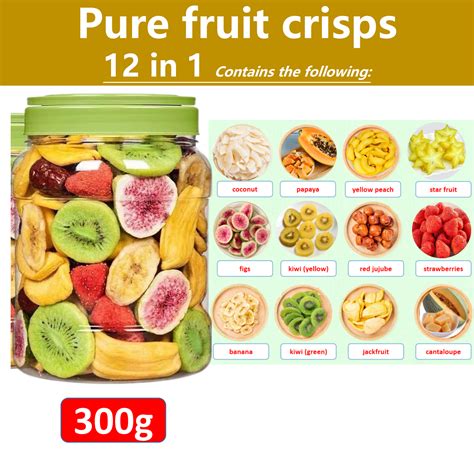
Dehydrating removes water content, inhibiting spoilage and concentrating flavors. It’s excellent for hikers, snackers, and those looking for lightweight storage solutions. A food dehydrator or even a low oven can be used.
- Sun-Dried Tomatoes: Slice tomatoes thinly and dehydrate until leathery. Store in olive oil or dry in airtight containers. Use in salads, pasta, or on focaccia.
- Fruit Leather: Purée fruits (apples, berries, peaches) and spread thinly on dehydrator trays. A healthy, chewy snack.
- Herbs: Dry excess herbs like basil, oregano, and thyme. Crumble and store in airtight jars for seasoning throughout the year.
- Vegetable Chips: Thinly slice zucchini, sweet potatoes, or kale and dehydrate for crunchy, healthy chips.
Fermenting & Pickling: Tangy Transformations
Fermentation and pickling not only preserve food but also add unique tangy flavors and often boost probiotic benefits. These methods are surprisingly simple to start at home.
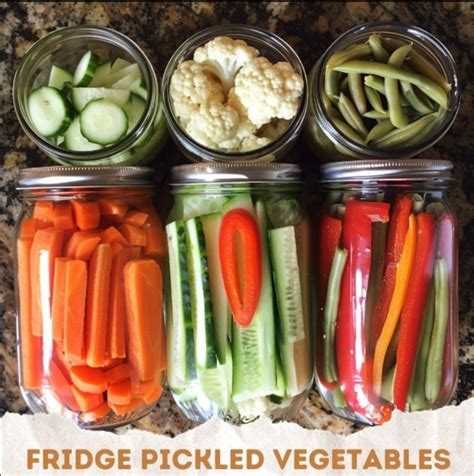
- Quick Pickles: Slice cucumbers, radishes, or carrots and immerse in a hot brine of vinegar, water, salt, and spices. Ready in a few days and stored in the fridge.
- Sauerkraut & Kimchi: Fermented cabbage dishes that are rich in probiotics and flavor. Perfect as a side dish or condiment.
Integrating Preserved Produce into Year-Round Meals
Once your garden’s bounty is safely preserved, the real fun begins: incorporating these ingredients into delicious meals. Your pantry and freezer become a treasure trove of flavor, ready to elevate everyday cooking.
- Winter Soups & Stews: Use frozen blanched vegetables, canned tomatoes, or rehydrated dried vegetables to create hearty, nutritious dishes.
- Baked Goods: Frozen berries and fruit purées are fantastic for muffins, pies, crumbles, and quick breads.
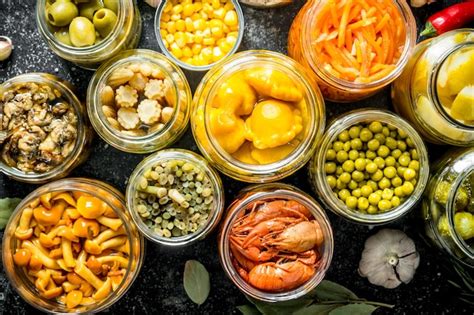
- Salads & Side Dishes: Pickled vegetables add a bright, acidic crunch to salads, sandwiches, or as a palate cleanser alongside rich dishes.
- Flavor Boosters: Pesto cubes, sun-dried tomatoes, and dried herbs can instantly enhance pasta dishes, roasted meats, and even homemade bread.
Embrace the Cycle of Abundance
Preserving your garden’s produce is more than just a chore; it’s a creative culinary adventure that fosters self-sufficiency and deeper connection to your food. With these easy methods and a little planning, you can enjoy the fruits (and vegetables!) of your labor long after the growing season ends, transforming summer’s abundance into year-round homemade delights.