



How do we involve kids in real food garden-to-table meals without meltdowns?

Transforming the garden into a family adventure, culminating in fresh, home-cooked meals, sounds idyllic. But for many parents, the thought of involving young children in the process conjures images of dirt-covered clothes, kitchen chaos, and picky eaters refusing their meticulously grown produce. The good news is, with a little planning and a lot of patience, you can create a joyful garden-to-table experience that fosters healthy eating habits and strengthens family bonds, all while keeping meltdowns at bay.
The Joys and Challenges of Garden-to-Table with Kids
Involving children in the journey from seed to plate offers immense benefits: it teaches them about where food comes from, instills a love for healthy eating, develops practical skills, and encourages an appreciation for nature. However, it also comes with its unique set of challenges, from short attention spans in the garden to resistance at the dinner table. The key is to make every step an engaging, age-appropriate experience rather than a chore.

Cultivating Engagement in the Garden
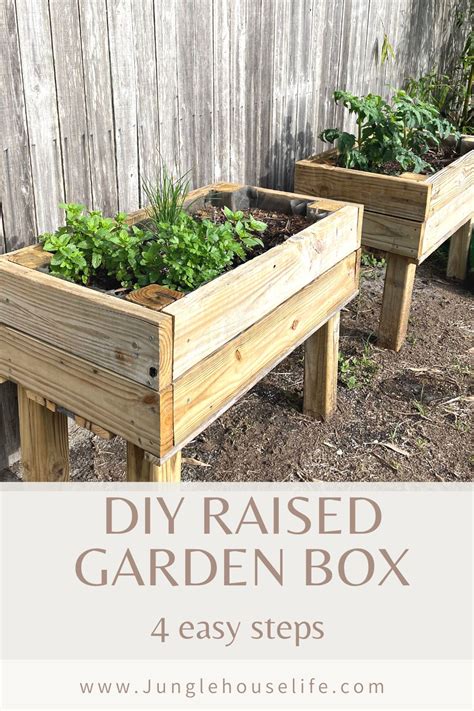
Start small and make it theirs. Give each child a designated small plot or even a few pots where they can choose what to grow. Letting them pick their favorite vegetables or herbs from a selection gives them ownership. Encourage them to help with tasks like planting seeds, watering (with kid-sized watering cans, naturally!), and observing the plants as they grow. Emphasize the magic of seeing a tiny seed transform into a vibrant plant.
Harvesting is often the most exciting part! Teach them how to gently pick ripe produce, explaining why some things are ready and others need more time. Make it a treasure hunt to find the biggest tomato or the crunchiest snap pea. The more involved they feel in the growing process, the more invested they’ll be in eating the fruits (and vegetables!) of their labor.

Transforming Harvest into Culinary Adventures
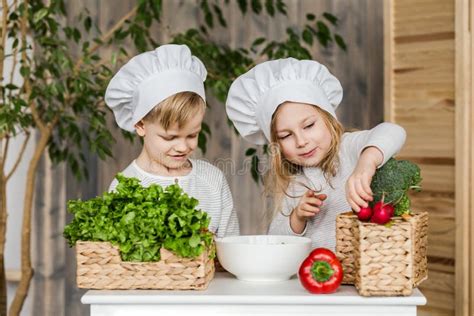
Once the bounty is collected, the kitchen becomes the next playground. Assign age-appropriate tasks: toddlers can wash vegetables in a bowl of water, tear lettuce for salads, or stir ingredients. Older children can help with measuring, snapping beans, peeling (with a child-safe peeler), or even basic chopping under close supervision. Talk about the ingredients, their colors, textures, and smells. Let them get their hands dirty – it’s part of the fun!
Involve them in the entire meal preparation, not just one step. From scrubbing potatoes to setting the table, every contribution makes them feel like a vital part of the team. This shared experience in the kitchen is invaluable for building confidence and creating positive associations with food preparation.

Making Mealtime Magical (and Meltdown-Free)
The moment of truth! Even if they helped grow and cook it, getting kids to eat new foods can still be a challenge. Make mealtime a celebration of their hard work. Let them plate their own food, arranging it creatively. Call the dishes by fun names, like “Superhero Spinach” or “Giant Green Bean Forest.” Tell stories about the journey of the food from the garden to their plate. Avoid pressuring them to eat; instead, encourage them to try “just one bite” or simply have it on their plate. Repeated exposure in a low-pressure environment is key.

Embracing Imperfection and Patience
Not every meal will be a resounding success, and that’s perfectly okay. There will be messes, spilled dirt, and some rejected vegetables. Embrace the process, knowing that every interaction, positive or negative, contributes to their food education. Model good eating habits yourself, and celebrate small victories, like a child trying a new leaf of lettuce. Patience is your most important tool; fostering a love for real food is a journey, not a destination.

By involving children from the initial seed planting to the final dinner plate, you’re not just feeding them healthy food; you’re cultivating curiosity, resilience, and a deeper connection to the natural world. These shared garden-to-table experiences will become cherished family memories, building a foundation for a lifetime of healthy eating habits, all without the dreaded mealtime meltdown.