


What natural DIY methods effectively deter common garden pests from organic veggie patches?
Embracing Nature’s Solutions for a Pest-Free Organic Garden
Cultivating an organic vegetable patch is a rewarding endeavor, yielding fresh, chemical-free produce. However, the joy can quickly turn to frustration when common garden pests decide to feast on your hard work. The good news is that you don’t need synthetic pesticides to keep your plants healthy. A variety of natural, DIY methods can effectively deter unwanted visitors, promoting a thriving ecosystem right in your backyard.
By understanding and implementing these eco-friendly techniques, you can create a resilient garden that works with nature, not against it, ensuring your organic veggies grow strong and healthy.

The Strategic Art of Companion Planting
One of the oldest and most effective natural pest control methods is companion planting. This involves strategically placing different plant species next to each other to benefit growth, repel pests, or attract beneficial insects. It’s a harmonious approach that leverages the natural properties of various plants.
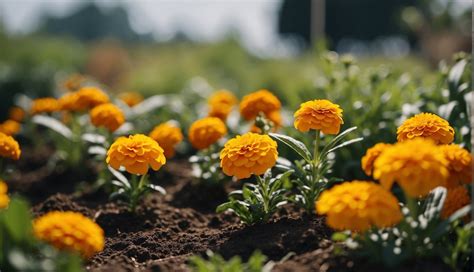
- Marigolds: Planting French marigolds (Tagetes patula) near tomatoes, potatoes, or roses can deter nematodes and other soil-borne pests. Their roots release compounds that are toxic to these unwelcome guests.
- Nasturtiums: These vibrant flowers are ‘trap crops’ for aphids. Aphids are highly attracted to nasturtiums, drawing them away from your valuable vegetable crops. You can then easily remove and dispose of the infested nasturtium plants.
- Garlic and Onions: The strong scent of garlic, chives, and onions can confuse and repel a wide array of pests, including aphids, slugs, and even rabbits. Plant them around carrots, lettuce, or fruit trees.
- Basil: Known to repel flies and mosquitoes, basil is also effective against tomato hornworms when planted near tomatoes.
Homemade Pest Deterrent Sprays
When pests do appear, sometimes a direct intervention is necessary. Homemade sprays, crafted from common household ingredients, offer a safe and effective alternative to chemical pesticides.
- Garlic and Chili Spray: The pungent aroma and spicy kick of garlic and chili peppers are potent deterrents. To make, blend a whole head of garlic and a few hot chili peppers (or a teaspoon of cayenne pepper) with a cup of water. Let it sit overnight, then strain the mixture and dilute with a gallon of water, adding a drop of liquid dish soap (as an emulsifier). Spray directly on affected plants (test a small area first).
- Soap Spray: A simple insecticidal soap spray can be highly effective against soft-bodied insects like aphids, spider mites, and whiteflies. Mix 1-2 tablespoons of mild liquid dish soap (ensure it’s biodegradable and free of harsh chemicals) with a gallon of water. Spray directly onto pests, making sure to cover the undersides of leaves where many pests hide.
- Neem Oil Solution: While neem oil is often purchased, it’s a natural extract from the neem tree. You can mix it at home according to package directions with water and a tiny bit of mild soap. Neem acts as an antifeedant, growth disruptor, and repellent for various insects.

Physical Barriers and Manual Removal Techniques
Sometimes the simplest solutions are the best. Physical barriers and direct intervention can prevent pests from ever reaching your plants or remove them once they’ve arrived.
- Row Covers: Lightweight floating row covers can physically exclude many flying insects (like cabbage moths and squash bugs) from your crops. They allow sunlight and water through but create a protective shield. Ensure good air circulation.
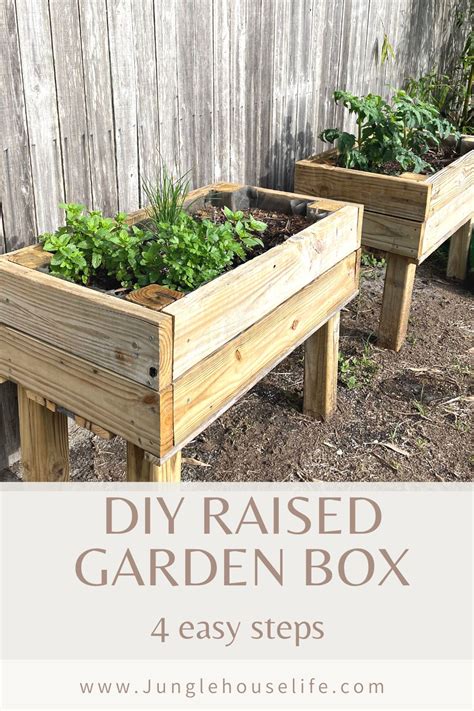
- Copper Tape: For slugs and snails, copper tape around raised beds or pots creates a mild electrical charge they dislike, deterring them from crossing.
- Hand-picking: For larger pests like tomato hornworms, squash bugs, or Japanese beetles, hand-picking them off your plants and dropping them into a bucket of soapy water is a highly effective, albeit manual, method. Do this in the early morning or late evening when pests are less active.
- Sticky Traps: Yellow sticky traps can attract and capture flying pests like whiteflies, thrips, and fungus gnats. Place them strategically within your garden.

Attracting Beneficial Insects: Your Garden’s Natural Allies
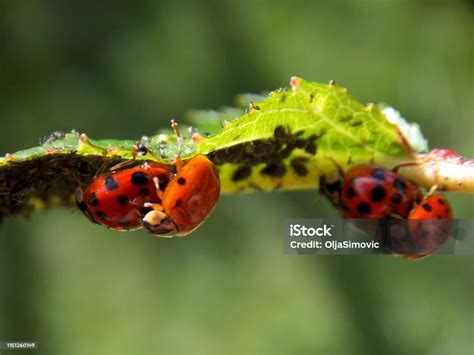
Not all insects are pests; many are vital predators of the bad guys. Encouraging beneficial insects to take up residence in your garden is a cornerstone of organic pest management. Ladybugs, lacewings, predatory wasps, and hoverflies all feast on aphids, mites, and other destructive insects.
You can attract these helpful allies by planting a diverse range of flowers and herbs, especially those with small flowers and accessible nectar/pollen sources:
- Umbellifers: Dill, cilantro, fennel, parsley, and caraway provide tiny flowers that are perfect for parasitic wasps and hoverflies.
- Composites: Plants like cosmos, sunflowers, and yarrow offer landing pads and food for a variety of beneficials.
- Other Favorites: Sweet alyssum, borage, and calendula are also excellent choices for creating a habitat friendly to pest predators.
Good Garden Hygiene and Crop Rotation
Prevention is always better than cure. Maintaining good garden hygiene and practicing crop rotation are fundamental for reducing pest problems over time.
- Weeding: Weeds can harbor pests and diseases, so keeping your garden beds free of them reduces hiding spots and alternative food sources for unwanted guests.
- Removing Debris: Dead leaves and plant debris can also shelter pests or disease spores. Clean up your garden regularly, especially at the end of the season.
- Crop Rotation: Planting the same crop in the same spot year after year can lead to a build-up of specific pests and diseases in the soil. Rotate your crops annually to break pest cycles and maintain soil health.
Conclusion: A Holistic Approach for a Thriving Organic Garden
Effectively deterring garden pests from organic veggie patches is not about a single solution, but rather a holistic strategy. By combining companion planting, homemade sprays, physical barriers, attracting beneficial insects, and maintaining good garden hygiene, you create a robust and naturally balanced ecosystem. Patience, observation, and a willingness to experiment with these DIY methods will empower you to grow an abundant, healthy organic garden free from harmful chemicals, benefiting both your produce and the environment.