



Tips for home canning garden produce safely for winter storage?
There’s immense satisfaction in preserving the bounty of your garden for the lean winter months. Home canning allows you to enjoy fresh-tasting fruits and vegetables long after the growing season ends. However, the art of canning isn’t just about taste; it’s fundamentally about safety. Improper canning techniques can lead to serious health risks, making it crucial to follow best practices for safe storage.
Why Safe Canning Matters
The primary concern with home canning is preventing the growth of harmful bacteria, particularly Clostridium botulinum, which produces a deadly toxin. This bacterium thrives in low-acid, oxygen-free environments – precisely the conditions found in improperly canned foods. Understanding and adhering to tested canning methods is paramount to ensuring your preserved goods are delicious and safe for consumption.
Essential Equipment and Preparation
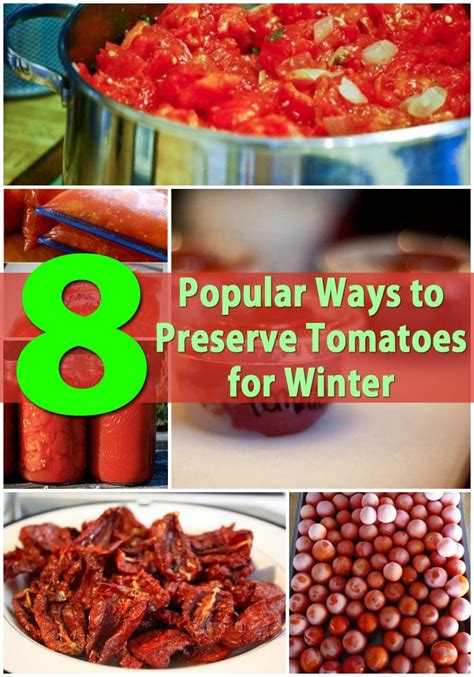
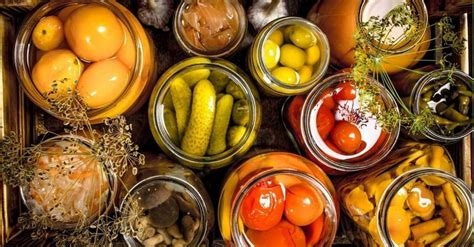
Before you even pick your first tomato for canning, ensure you have the right tools and that they are in good working order. You’ll need canning jars specifically designed for preserving, new lids (bands can be reused if not rusted or bent), and a canner. For high-acid foods, a water bath canner is sufficient. For low-acid foods, a pressure canner is absolutely essential. Always inspect jars for chips or cracks and ensure all equipment is meticulously clean.
Sterilizing jars is a critical step, especially for foods processed for less than 10 minutes. While processing itself often sterilizes the jars, starting with clean, hot jars reduces the risk of spoilage. Follow manufacturer instructions for your lids, as some require simmering before use.

Selecting and Preparing Your Produce
The quality of your canned goods begins with the quality of your produce. Always choose fresh, ripe, and blemish-free fruits and vegetables. Avoid overripe or damaged produce, as it can affect both flavor and safety. Wash all produce thoroughly under running water, even if you plan to peel it. Follow recipes precisely regarding peeling, coring, chopping, and blanching, as these steps are often crucial for texture, flavor, and proper processing.
Choosing the Right Canning Method
This is arguably the most critical safety decision in home canning. There are two primary methods:
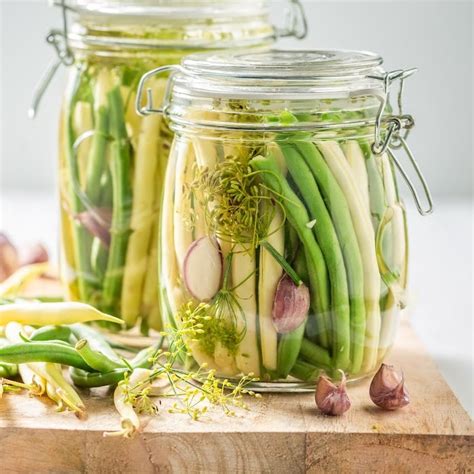
- Water Bath Canning: Used exclusively for high-acid foods (fruits, pickled vegetables, jams, jellies, tomatoes with added acid). The high acidity prevents the growth of C. botulinum, and boiling water provides sufficient heat to destroy spoilage organisms.
- Pressure Canning: Absolutely mandatory for low-acid foods (most vegetables like beans, corn, carrots, meats, poultry, and mixtures). These foods do not have enough acid to prevent botulism, and only the higher temperatures achievable under pressure can destroy the botulism spores. Never attempt to water bath can low-acid foods.

The Canning Process: Step-by-Step Safety
Once you’ve chosen your method, follow your tested recipe meticulously. This includes precise measurements, proper packing (raw pack or hot pack), and leaving the correct amount of headspace – the space between the food and the rim of the jar. Too little headspace can lead to siphoning; too much can prevent a proper seal. Remove air bubbles from jars before sealing. Process jars for the exact time and pressure specified in the recipe, adjusting for altitude as necessary. Do not cut corners or guess; processing times are scientifically determined for safety.
Sealing and Storage
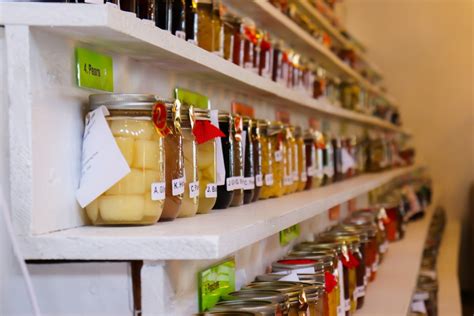
After processing, carefully remove jars from the canner and place them on a towel-lined surface, ensuring they are not touching each other, to cool undisturbed for 12-24 hours. You’ll hear the satisfying “ping” as lids seal. Once cooled, check seals by pressing the center of the lid – it should not flex. If a jar hasn’t sealed, refrigerate it immediately and consume within a few days, or reprocess within 24 hours with a new lid (following all previous steps). Wipe jars clean, label them with contents and date, and store in a cool, dark, dry place. Proper storage conditions help maintain food quality and extend shelf life.
Home canning can be a rewarding way to preserve your garden’s harvest. By prioritizing safety, using tested recipes, and following proper procedures, you can confidently enjoy your delicious, homemade canned goods all winter long.