
Mastering cast iron? Best methods for seasoning and everyday care?
Cast iron cookware is a beloved staple in kitchens worldwide, renowned for its durability, even heat distribution, and the unique flavor it imparts to food. However, to truly master cast iron, understanding the art of seasoning and consistent everyday care is paramount. A well-maintained cast iron pan is naturally non-stick, rust-resistant, and can last for generations.
Why Seasoning is Your Cast Iron’s Best Friend
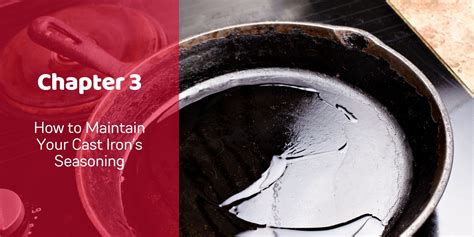
Seasoning isn’t about flavor, as the name might suggest, but rather creating a protective, non-stick layer on your cast iron. It’s a layer of polymerized oil baked onto the surface, which fills microscopic pores in the metal, creating a smooth, slick finish. This layer protects the iron from rust and provides a naturally non-stick cooking surface that improves with every use.
Without proper seasoning, cast iron can be sticky, prone to rusting, and difficult to clean. A robust seasoning layer also contributes to better heat retention and more even cooking.

The Initial Seasoning Process: A Step-by-Step Guide
Whether you’re starting with a brand-new pan (even pre-seasoned ones benefit from extra layers) or restoring an old favorite, the initial seasoning process is crucial. First, thoroughly clean the pan with warm, soapy water and a stiff brush, especially if it’s new or rusty. Dry it immediately and completely over low heat on the stovetop to prevent rust.
Next, apply a very thin, even layer of high smoke point cooking oil (like flaxseed, grapeseed, or vegetable oil) to the entire surface of the pan – inside, outside, and handle. Use a paper towel to wipe off any excess, making sure it looks dry, not oily. Too much oil will result in a sticky, gummy finish rather than a hard, slick one.
Place the pan upside down on the middle rack of a preheated oven (typically 450-500°F or 230-260°C) with foil or a baking sheet on the rack below to catch any drips. Bake for one hour, then turn off the oven and let the pan cool completely inside the oven. Repeat this oiling and baking process 3-5 times for a robust initial seasoning.
Everyday Care: Maintaining Your Non-Stick Surface
Once seasoned, everyday care is surprisingly simple. After cooking, clean your cast iron while it’s still warm. Scrape off any food residue with a flat-edged scraper or spatula. For stuck-on bits, use warm water and a stiff brush or a cast iron scrubber. Contrary to popular myth, a small amount of mild dish soap is fine for a well-seasoned pan; just avoid harsh detergents and abrasive scouring pads that can strip the seasoning.
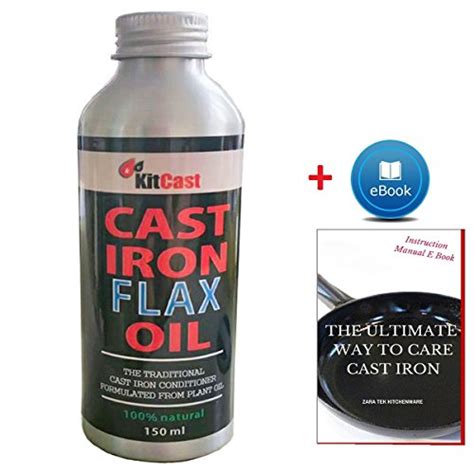
Immediately after cleaning, dry the pan thoroughly. You can place it on low heat on the stovetop for a few minutes to ensure all moisture has evaporated. While still warm, apply another very thin layer of cooking oil to the entire surface, wiping off any excess. This light re-oiling replenishes the seasoning and keeps the pan protected until its next use. Store your pan in a dry place.
Troubleshooting and Re-Seasoning
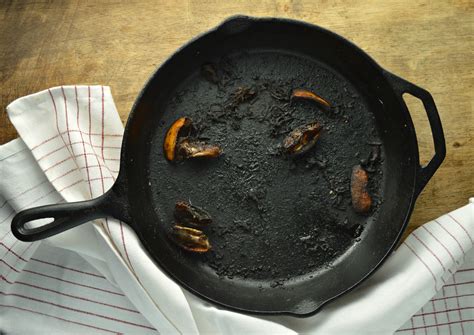
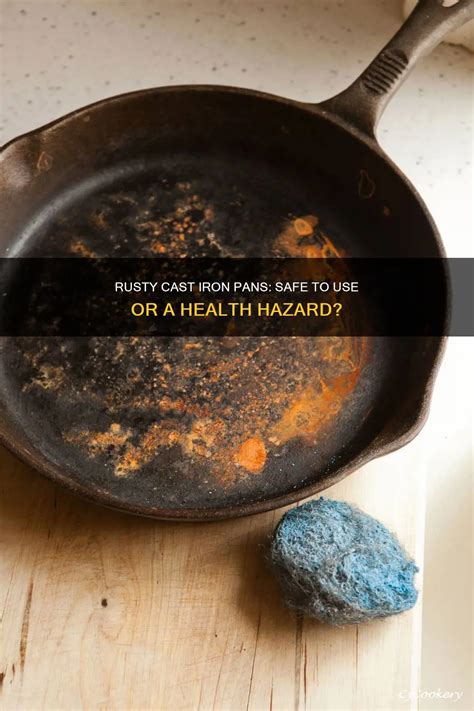
Even with the best care, sometimes your cast iron might develop sticky spots, dull patches, or even a bit of rust. Don’t despair! For sticky or dull spots, simply scrub them clean and apply another light layer of oil, then heat on the stovetop or bake briefly until the oil polymerizes. For rust, scrub the affected area vigorously with steel wool or a stiff brush until the rust is gone, then wash, dry, and re-season as you would for an initial seasoning.
If your pan’s seasoning is severely damaged or flaking, it might be time for a full re-seasoning. This involves stripping the old seasoning (often through a self-cleaning oven cycle or lye bath, with extreme caution) and then starting fresh with the multiple oiling and baking layers outlined above. This commitment ensures your pan returns to its prime.
Common Mistakes to Avoid
To keep your cast iron in top condition, steer clear of a few common pitfalls. Never put your cast iron in the dishwasher, as the harsh detergents and prolonged wetness will strip the seasoning and cause rust. Avoid air-drying; always dry thoroughly on the stovetop. While mild soap is acceptable, prolonged soaking in water is not, as it encourages rust formation.
Also, try to avoid cooking highly acidic foods (like tomato sauce or citrus) in a new or poorly seasoned pan for extended periods, as the acid can eat away at the seasoning. Once your pan has a thick, well-established seasoning, occasional acidic cooking is less of an issue. Lastly, never store food in your cast iron pan; always transfer leftovers to another container.
Conclusion
Mastering cast iron care is a rewarding endeavor that transforms a simple piece of cookware into a culinary workhorse. By understanding the principles of seasoning and adhering to a simple routine of cleaning, drying, and light oiling, you’ll ensure your cast iron pan remains a non-stick, rust-resistant, and indispensable tool in your kitchen for many years to come. Embrace the process, and enjoy the delicious results that only perfectly maintained cast iron can deliver.