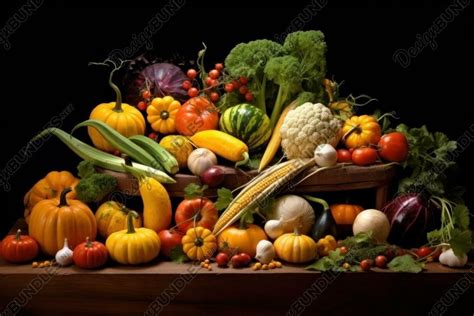



Easiest ways to preserve summer garden bounty without canning?
As summer peaks, so does the abundance from your garden. Tomatoes ripen, beans burst forth, and herbs flourish, creating a joyous but sometimes overwhelming harvest. While canning is a time-honored tradition, it’s not the only way to safeguard your bounty for the colder months. Many gardeners seek simpler, less equipment-intensive methods to enjoy their homegrown produce year-round. Luckily, a variety of easy preservation techniques can keep your pantry stocked without ever needing a pressure canner or water bath.

Freezing Your Harvest: Quick and Convenient
Freezing is arguably one of the simplest and most effective ways to preserve nearly any fruit or vegetable. Most produce can be frozen with minimal preparation, locking in freshness and nutrients. For many vegetables like green beans, corn, and broccoli, a quick blanching (briefly boiling then plunging into ice water) is recommended to halt enzyme action, preserving color, flavor, and texture. Berries, chopped peppers, and herbs can often be frozen raw.
- Berries: Wash, pat dry, and spread in a single layer on a baking sheet to freeze before transferring to freezer bags to prevent clumping.
- Green Beans/Broccoli: Blanch for 2-3 minutes, cool quickly, then freeze.
- Herbs: Chop finely and freeze in ice cube trays with a little water or olive oil, then transfer cubes to a freezer bag.
- Pesto: Prepare pesto as usual and freeze in small portions.
Drying for Long-Term Storage: Herbs, Fruits, and More
Drying removes moisture, preventing spoilage and concentrating flavors. It’s an ancient preservation method that requires minimal fuss, especially for herbs. You can air dry, use a dehydrator, or even a low-temperature oven.
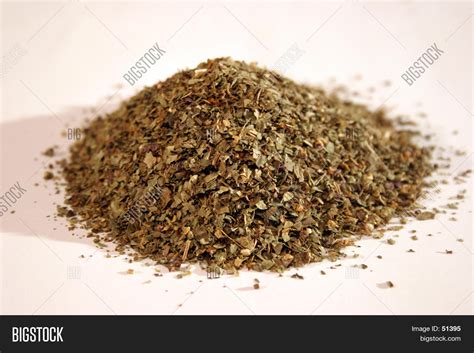
Air Drying Herbs
Bundle clean herb sprigs (like rosemary, thyme, oregano, sage) and hang them upside down in a warm, dry, well-ventilated area away from direct sunlight. Once brittle, crumble and store in airtight containers.
Dehydrating Fruits and Vegetables
A food dehydrator provides controlled heat and airflow, perfect for drying sliced apples, peaches, tomatoes, or even making vegetable chips. Follow your dehydrator’s instructions for specific produce, ensuring consistent thickness for even drying.
Fermentation Fun: Probiotic-Rich Preserves
Fermentation is a living preservation method that not only extends the shelf life of your produce but also enhances its nutritional value by creating beneficial probiotics. All you typically need are vegetables, salt, water, and a clean jar.
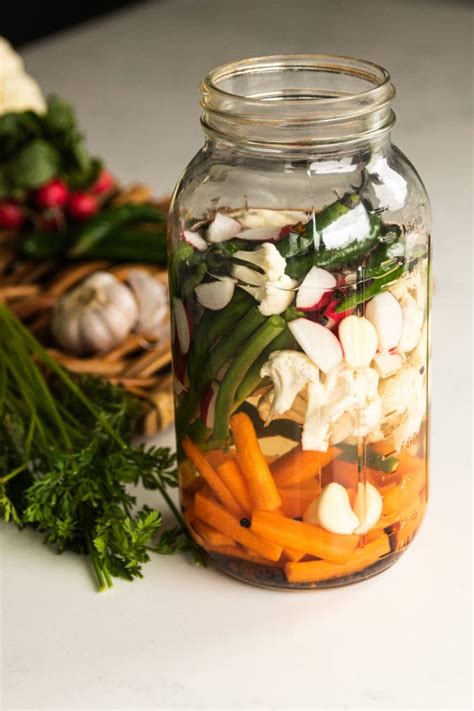
- Sauerkraut: Shred cabbage, massage with salt, and pack tightly into a jar, ensuring it’s submerged in its own brine.
- Lacto-Fermented Pickles: Brine cucumbers with salt and water, optionally adding dill, garlic, or spices.
- Kimchi: A spicier, more complex fermented cabbage dish, adaptable to various vegetables.
Allow ferments to sit at room temperature for several days to weeks, then transfer to the refrigerator for slower fermentation and storage.
Infusing Oils and Vinegars: Flavorful Additions
Transform fresh herbs and garlic into aromatic oils and vinegars that can elevate your cooking for months. While not a method for preserving the produce itself, it’s a fantastic way to capture and store their essence.
- Herbal Vinegars: Fill a bottle with white vinegar or apple cider vinegar and add sprigs of fresh herbs like basil, oregano, thyme, or tarragon. Let infuse for 2-4 weeks in a cool, dark place, then strain the herbs.
- Infused Oils: Add dried herbs (fresh herbs can introduce moisture and spoilage risk) or garlic (use caution with fresh garlic in oil, as it can create an anaerobic environment for botulism; refrigerate and use within a week, or acidify if storing longer) to high-quality olive oil. Store in a cool, dark place.
Cool Storage and Root Cellaring: Nature’s Refrigerator
For certain hearty crops, a cool, dark, and moderately humid environment—often called a root cellar, or even just a cool basement or garage—can extend their freshness for months.
- Root Vegetables: Carrots, potatoes, beets, parsnips, and turnips store well in sand, sawdust, or simply piled in breathable containers. Ensure they are free of blemishes and not washed before storage.
- Winter Squash: Varieties like butternut, acorn, and spaghetti squash, as well as pumpkins, can last for several months in a cool, dry place with good airflow.
- Apples: Store whole, unbruised apples in cool, humid conditions, ideally wrapped individually in newspaper to prevent rot from spreading.
Preserving your summer garden’s bounty doesn’t have to be a daunting task. By embracing these accessible methods—freezing, drying, fermenting, infusing, and cool storage—you can enjoy the taste of summer long after the growing season ends, all without the need for traditional canning equipment or techniques. Experiment with what works best for your produce and your lifestyle, and savor your harvest year-round.