


How to perfectly tenderize tough farm cuts for hearty stews?

Farm-fresh cuts often come with incredible flavor, but they can also be notoriously tough, requiring a bit of culinary magic to transform them into melt-in-your-mouth stew meat. Rather than shying away from these economical and robust cuts like chuck, shanks, or oxtail, embrace them. With the right techniques, you can unlock their full potential, creating rich, hearty stews that are both deeply satisfying and wonderfully tender.
Understanding Toughness and Its Solutions
Meat toughness primarily comes from collagen and muscle fibers. Collagen, a connective tissue, breaks down into gelatin with prolonged heat and moisture, while muscle fibers become more tender when properly hydrated and cooked at lower temperatures for longer durations. Our goal is to facilitate this breakdown through various methods – mechanical, chemical, and thermal.
1. Mechanical Tenderization: A Quick Start
Physical manipulation can kickstart the tenderizing process. Pounding meat with a mallet physically breaks down muscle fibers and connective tissue. This is especially useful for flatter cuts that you might sear before stewing. Similarly, scoring the surface of the meat with a sharp knife (making shallow cross-hatch cuts) helps marinades penetrate deeper and speeds up the breakdown of surface fibers.
2. Acidic Marinades: The Chemical Breakdown
Acids are highly effective at breaking down tough muscle fibers. Marinades containing ingredients like vinegar, wine, citrus juice, buttermilk, yogurt, or even tomato paste can significantly tenderize meat. The key is balance: marinate for a few hours (or overnight for very tough cuts) but avoid over-marinating, which can turn the meat mushy. The acid denatures proteins, making them more susceptible to further breakdown during cooking.
3. Enzymatic Tenderizers: Nature’s Little Helpers
Certain natural ingredients contain enzymes that actively break down proteins. Papaya (papain) and pineapple (bromelain) are well-known examples. A small amount of crushed fresh papaya or pineapple juice can be added to a marinade. Be cautious, as these enzymes are potent and can turn meat mushy if left for too long – typically an hour or two is sufficient. Commercial meat tenderizers often contain these enzymes.
4. The Power of Salt and Brining
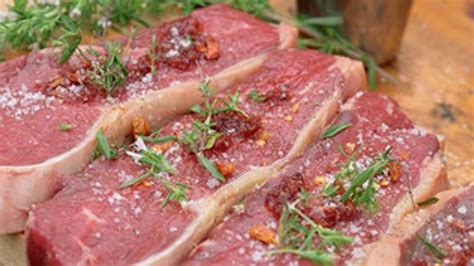
Salt plays a crucial role in tenderization. Dry brining (simply salting the meat generously and letting it rest) draws out moisture, which then reabsorbs along with the salt, breaking down muscle fibers and helping the meat retain moisture during cooking. For very tough cuts, a wet brine can also be used, infusing moisture and flavor deep into the meat while denaturing proteins.
5. The Unbeatable Low and Slow Cook
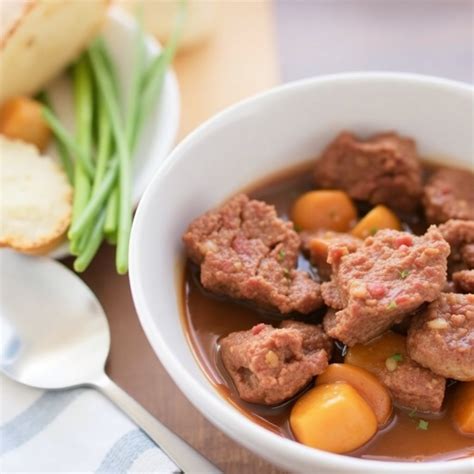
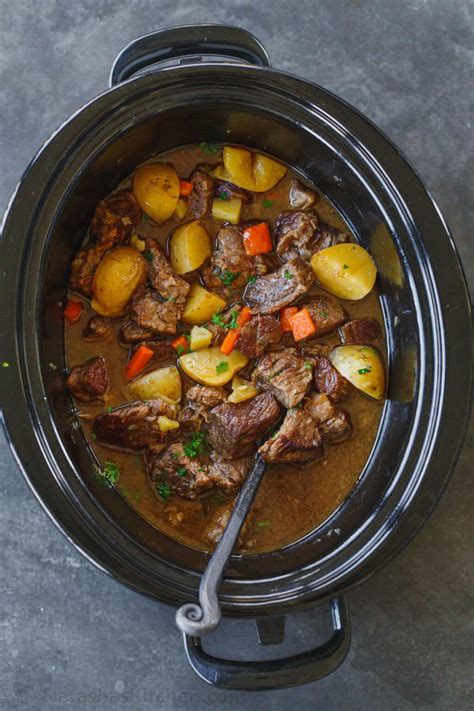
This is arguably the most critical method for farm cuts destined for stew. Tough cuts are rich in collagen, which melts into luscious gelatin when cooked slowly at low temperatures in a moist environment. This process is called braising or stewing.
- Searing First: Brown your meat well on all sides before adding liquid. This develops deep, complex flavors (Maillard reaction) that are essential for a rich stew.
- Adequate Liquid: Ensure the meat is mostly submerged in broth, wine, or water. This creates the moist environment needed for collagen breakdown.
- Low Temperature: Cook at a gentle simmer, either on the stovetop, in the oven (around 300°F/150°C), or in a slow cooker. High heat will toughen the meat further.
- Patience is Key: Depending on the cut, this can take anywhere from 2 to 4 hours, or even longer in a slow cooker. The meat is done when it’s fork-tender and easily pulls apart.
6. Cutting and Prepping for Success
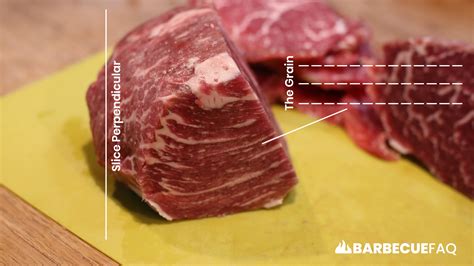
How you prepare the meat before cooking also impacts tenderness. Always cut tough cuts against the grain. This shortens the muscle fibers, making them easier to chew. Trimming excess silverskin, while not entirely necessary for stew, can prevent some pieces from curling up and make for a more pleasant eating experience. However, leave some fat for flavor and moisture.
Bringing It All Together for the Perfect Stew
For the ultimate tender stew, consider combining several of these methods. For instance, start by lightly pounding or scoring your meat, then marinate it overnight in an acidic brine. Brown it thoroughly, and finally, commit to a long, slow braise. With a little understanding and patience, those tough farm cuts will transform into incredibly tender, flavor-packed morsels that define a truly hearty stew, proving that good things really do come to those who wait.