

DIY root cellar tips for storing garden harvest without refrigeration?
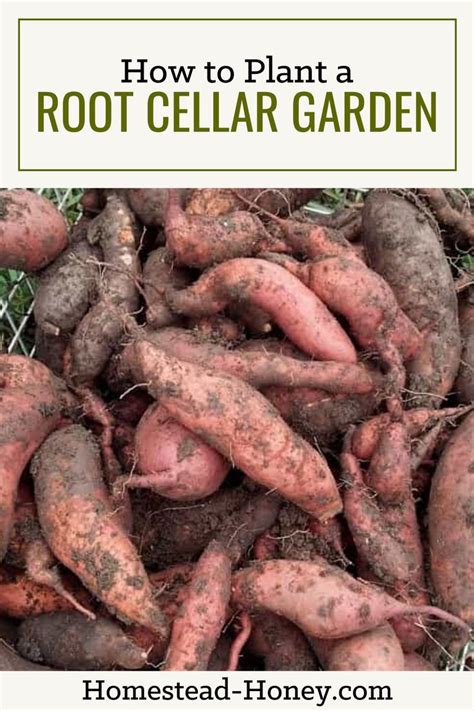
For centuries, long before the advent of electricity and modern refrigeration, our ancestors relied on ingenious methods to preserve their harvest through the long winter months. Among the most effective and enduring of these methods is the root cellar. A root cellar provides a naturally cool, dark, and humid environment ideal for storing a wide variety of fruits and vegetables, extending their shelf life and ensuring a fresh supply of produce long after the growing season has ended. If you’re a keen gardener looking to maximize your yield and embrace sustainable living, building your own DIY root cellar might be the perfect project for you.
Understanding the Principles of a Root Cellar
The success of a root cellar hinges on four key environmental factors: temperature, humidity, ventilation, and darkness. Understanding these principles is crucial for designing and building an effective storage solution.
- Temperature: Ideally, a root cellar maintains a consistent temperature between 35-50°F (2-10°C). This cool temperature significantly slows down the respiration process in produce, delaying spoilage.
- Humidity: Most root crops thrive in high humidity (85-95%), which prevents them from drying out and shriveling. Some items, like onions and squash, prefer slightly drier conditions.
- Ventilation: Good air circulation is essential to prevent the buildup of ethylene gas (a ripening agent), reduce condensation, and inhibit mold growth.
- Darkness: Light can encourage sprouting in potatoes and onions, and also degrade the nutritional content of some vegetables. A dark environment is key for optimal storage.
Choosing Your Root Cellar Location and Type
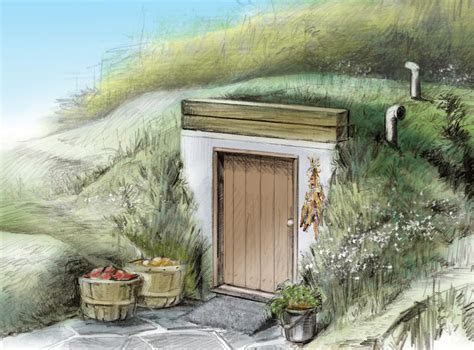
The best location for a root cellar is typically underground, where the earth’s insulating properties help maintain stable temperatures. However, you don’t necessarily need to dig a full basement. Several DIY options cater to different budgets and skill levels:
1. Buried Trash Can or Container: This is one of the simplest methods. Dig a hole in a well-drained, shady spot. Place a large, food-grade plastic trash can or barrel into the hole, leaving the top few inches exposed. Drill drainage holes in the bottom and ventilation holes near the top rim. Cover the lid with straw or insulation, and then soil for added insulation.
2. Modified Crawl Space or Unheated Basement: If you have an existing crawl space or an unheated section of your basement, you might be able to convert a portion of it into a root cellar. Insulate the walls and ceiling, add a ventilation system (intake and exhaust pipes), and ensure it’s dark and humid enough for your crops.

3. Earth-Sheltered Mound Cellar: For a more substantial project, an earth-sheltered mound cellar involves building a structure (e.g., from concrete blocks or treated lumber) on the surface, then mounding earth over it to provide insulation. This requires more construction, but offers greater capacity and control.
4. Hillside Cellar: If you have a natural slope or hillside on your property, you can dig into it to create a more traditional, walk-in root cellar. This leverages the natural insulation of the earth and often provides excellent drainage.
Preparing Your Produce for Storage
Proper preparation is key to successful long-term storage. Not all produce is suited for root cellar storage, and those that are often require specific handling:
- Curing: Many root vegetables (like potatoes and sweet potatoes) and winter squash benefit from a curing period immediately after harvest. This involves keeping them at a warmer temperature (around 50-70°F or 10-21°C) with moderate humidity for a week or two to heal any wounds, toughen skins, and improve storage life.
- Cleaning: Brush off excess dirt from root vegetables, but avoid washing them, as this can introduce moisture and encourage spoilage. For leafy greens that prefer root cellar conditions (like cabbage), remove any loose outer leaves.
- Inspection: Only store perfect, unblemished produce. Even a small bruise or cut can lead to rot that quickly spreads to other items.
Optimal Storage Techniques for Specific Crops
While general principles apply, different crops have different ideal storage conditions within your root cellar:
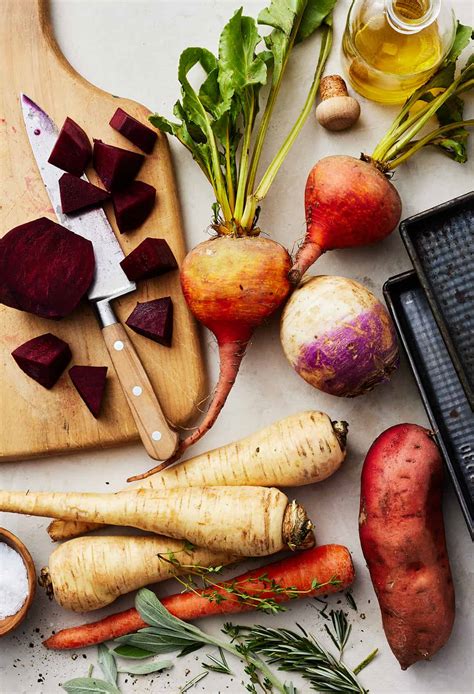
- Root Vegetables (Carrots, Beets, Parsnips, Turnips): These love high humidity. Store them in bins layered with moist sand, sawdust, or peat moss. Ensure they don’t touch each other.
- Potatoes: Store in bins or breathable sacks in a dark, cool, humid environment. Keep them separate from apples, which emit ethylene gas that can cause potatoes to sprout.
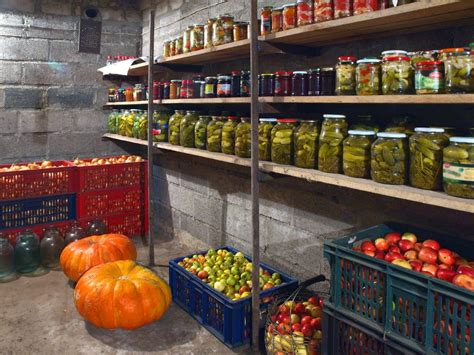
- Winter Squash and Pumpkins: Prefer slightly drier conditions than root vegetables. Store them on shelves in a cool, relatively dry part of the cellar.
- Apples: Store in cool, humid conditions, ideally in separate bins or a dedicated area due to their ethylene gas production. Wrap individual apples in newspaper to prevent rot from spreading.
- Onions and Garlic: Require cool, dry, and well-ventilated conditions. Braid them or hang them in mesh bags.
- Cabbage: Can be stored by hanging them upside down by their roots or placing them on shelves, ensuring good air circulation.
Maintenance and Monitoring Your Root Cellar
Once your root cellar is operational, regular monitoring is crucial. Check the temperature and humidity levels periodically. Adjust ventilation as needed, opening or closing vents to control airflow and moisture. Inspect your stored produce regularly, removing any items that show signs of spoilage immediately to prevent contamination. Rotate stock, using older produce first.
Conclusion
A DIY root cellar is a rewarding project that reconnects you with traditional food preservation methods and dramatically increases your garden’s utility. By understanding the core principles of temperature, humidity, ventilation, and darkness, and by choosing a suitable design, you can create a sustainable, energy-free solution for enjoying your homegrown harvest long into the off-season. Embrace the challenge, enjoy the bounty, and savor the taste of fresh, locally stored produce all year round.