

Best tips for teaching kids garden-to-table cooking & food preservation skills?

Cultivating Young Chefs and Stewards of Food
In an age where children are increasingly disconnected from the origins of their food, teaching garden-to-table cooking and food preservation skills offers invaluable lessons. It’s more than just a culinary experience; it’s a holistic approach to understanding nutrition, sustainability, and self-sufficiency. Engaging kids in this journey fosters curiosity, patience, and a deeper appreciation for healthy eating. Let’s explore the best ways to get started.

From Seed to Plate: Engaging Kids in the Garden
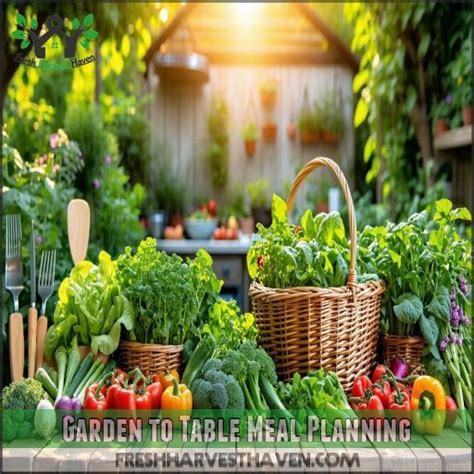
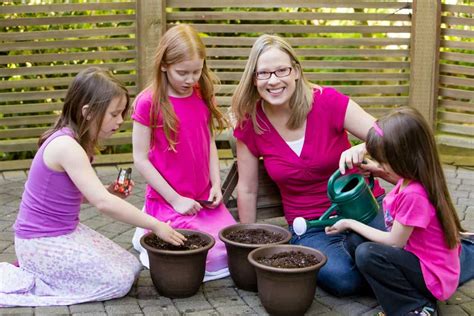
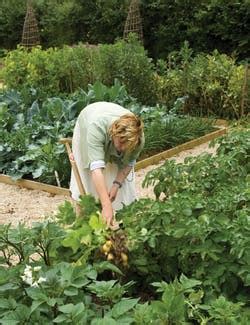
The first step in the garden-to-table experience is, naturally, the garden itself. Involve children from the very beginning – planning what to plant, sowing seeds, watering, and weeding. Give them their own small plot or specific tasks that make them feel responsible. Choose easy-to-grow plants like cherry tomatoes, snap peas, radishes, or herbs, which yield quick results and keep their interest piqued. Harvesting is often the most exciting part, so make it a celebration!
Tips for Garden Engagement:
- Kid-Friendly Tools: Provide them with appropriately sized gardening gloves and tools.
- Sensory Exploration: Encourage them to touch the soil, smell the herbs, and observe insects.
- Name and Nurture: Let them name their plants and talk to them, fostering a sense of care.
Cooking Up a Storm: Bringing the Harvest into the Kitchen
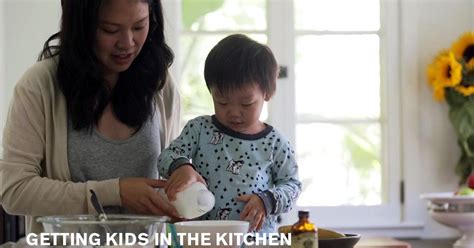
Once the produce is harvested, the real fun begins in the kitchen. The goal is to make cooking an exciting and accessible activity. Start with simple recipes that highlight the fresh ingredients they just picked. Age-appropriate tasks are key: younger children can wash vegetables, tear lettuce, or stir ingredients, while older kids can chop (with supervision), measure, and follow recipe instructions.
Focus on dishes that are quick to prepare and allow them to taste the ‘fruits’ of their labor immediately. Think fresh salads, simple pasta sauces, homemade pizzas with garden toppings, or fruit skewers. This direct connection between effort and reward is incredibly powerful.
Mastering Preservation: Extending the Bounty
Teaching food preservation introduces children to an ancient and vital skill. It helps them understand seasonality, reduce waste, and appreciate the value of food. Start with basic, safe, and fun methods. Freezing berries, blanching and freezing vegetables, or making simple fruit leathers in a dehydrator are great entry points. Even making a small batch of jam or pickles (with careful adult supervision for hot liquids and sealing) can be a magical experience for kids.
Simple Preservation Activities:
- Freezing: Wash and chop vegetables like zucchini or green beans, then freeze them on a tray before bagging.
- Drying: Slice apples or make fruit leathers in a dehydrator or low oven.
- Jam Making: Involve them in mashing fruit and stirring (carefully!) during jam preparation. Explain how sugar and heat preserve food.
- Pickling: Make quick refrigerator pickles with cucumbers they grew.

Making Learning Fun and Sustainable
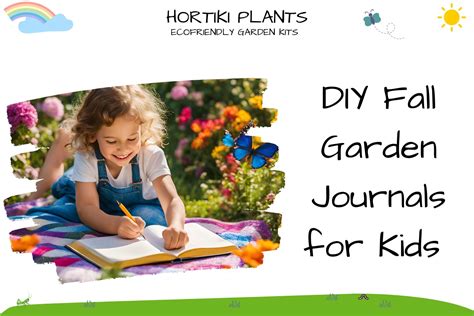
To ensure these skills stick, integrate fun and educational elements throughout the process. Create a ‘recipe book’ together, illustrating their favorite garden-to-table dishes. Keep a garden journal where they can track plant growth and harvest yields. Discuss where other foods come from and how different cultures preserve their harvests.
Encourage experimentation in the kitchen and garden. Let them choose a new vegetable to grow or a different spice to add to a dish. This sense of ownership and discovery makes the learning process more enjoyable and memorable, building a lifelong positive relationship with food.
Overcoming Challenges and Fostering Independence
It’s normal to encounter challenges, such as picky eaters or initial disinterest. Persistence and positivity are key. If a child doesn’t like a particular vegetable cooked one way, try another method. Involving them in growing a vegetable often increases their willingness to try it. Give them opportunities to take the lead in small ways, building their confidence and independence.
Remember, the goal isn’t perfection, but participation and learning. The skills they gain – from understanding where food comes from to basic cooking and preservation techniques – will serve them well into adulthood, fostering healthier habits and a deeper respect for the natural world.