



How to involve kids in garden-to-table meals and simple country chores?
Cultivating Connection: Why Involve Kids in the Garden and Chores?
In an increasingly digital world, many children grow up disconnected from where their food comes from and the effort required to maintain a home or garden. Involving kids in garden-to-table meals and simple country chores offers a fantastic opportunity to bridge this gap, teaching them invaluable life skills, fostering appreciation for nature and hard work, and creating lasting family memories. It’s about more than just tasks; it’s about nurturing responsibility, curiosity, and a love for healthy living.

Starting Small: The Garden Adventure Begins
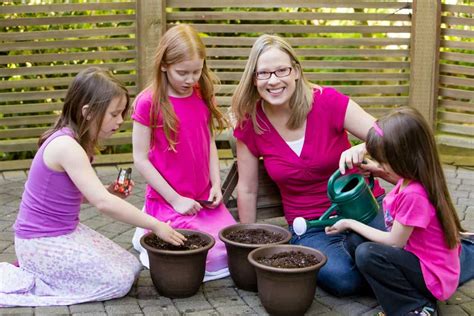
You don’t need a sprawling farm to get started. Even a small raised bed, a few containers on a balcony, or a designated patch in your yard can become a magical learning space. Begin by letting kids choose what to plant. Easy-to-grow options like cherry tomatoes, snap peas, radishes, lettuce, and various herbs offer quick rewards and build excitement. Involve them in every step:
- Planning: Look at seed packets, discuss what plants need to grow.
- Planting: Let them dig small holes, place seeds or seedlings, and water carefully.
- Caring: Assign regular watering duties, help them identify weeds, and teach gentle pruning.
Seeing a tiny seed transform into a fruit or vegetable they can eat is a powerful lesson in patience and the wonders of nature.
From Soil to Plate: Culinary Adventures
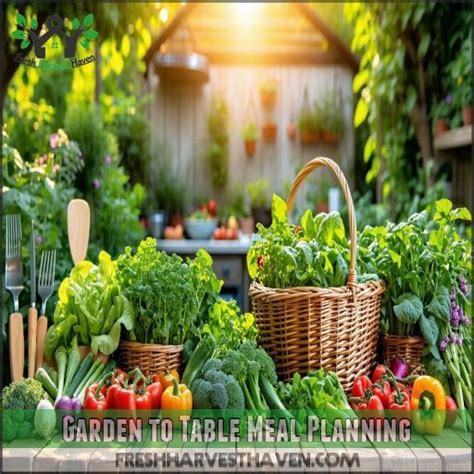
The real magic happens when the harvest moves from the garden to the kitchen. This is where children truly connect the dots between their efforts and the food on their plate.
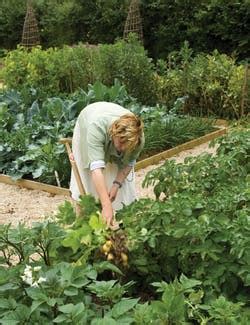
- Harvesting: Teach them how to identify ripe produce and pick it gently. The joy of pulling a carrot from the ground or plucking a sun-warmed tomato is immense.
- Washing & Prepping: Even young children can help wash vegetables. Older kids can assist with simple chopping (with supervision), tearing lettuce for salads, or stirring ingredients.
- Cooking & Eating: Involve them in preparing the meal. A salad made with ‘their’ lettuce and tomatoes, or a stir-fry featuring ‘their’ snap peas, tastes infinitely better. Encourage them to try new foods they helped grow.

Beyond the Rows: Simple Country Chores for All Ages
Country chores aren’t just for those living in rural areas. Many simple tasks can instill a sense of responsibility and practical skill, regardless of your living situation.
- Animal Care: If you have pets, involve kids in feeding, refilling water, and cleaning up messes. If you have chickens, collecting eggs is a highly engaging activity.
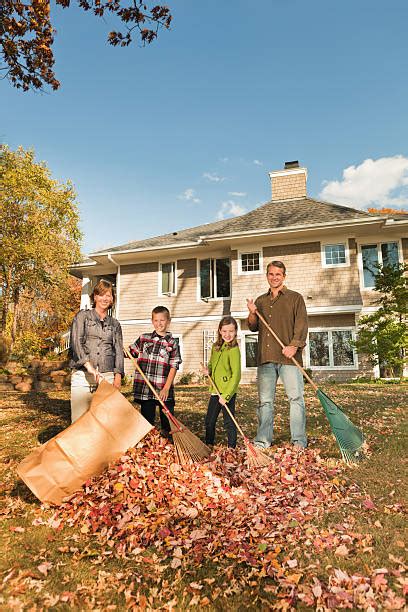
- Yard Work: Raking leaves, sweeping paths, pulling specific weeds (under guidance), or helping to spread mulch are excellent ways to contribute to the outdoor environment.
- Composting: Teaching kids to separate food scraps for a compost pile introduces them to cycles of nature and waste reduction.
- Gathering: Foraging for berries (if safe and supervised), collecting fallen branches for kindling, or picking flowers for a centerpiece are simple, satisfying tasks.
Harvesting More Than Vegetables: The Benefits
The advantages of involving children in these activities are far-reaching:
- Life Skills: They learn about responsibility, patience, problem-solving, fine motor skills, and basic nutrition.
- Healthy Eating: Kids are more likely to eat vegetables they’ve grown themselves, expanding their palate and encouraging healthier choices.
- Environmental Awareness: They gain a deeper understanding of ecosystems, plant growth, and the importance of sustainability.
- Family Bonding: Working side-by-side in the garden or on chores strengthens family relationships and provides quality time away from screens.
- Appreciation for Work: They learn that good things come from effort and that food doesn’t just magically appear on supermarket shelves.

Tips for Cultivating Enthusiasm
- Make it Fun: Turn tasks into games, sing songs, tell stories, or offer a special treat afterward.
- Keep it Age-Appropriate: Toddlers can water; preschoolers can plant big seeds; older kids can help with more complex tasks like pruning or planning.
- Celebrate Successes: Praise their efforts and enjoy the fruits of their labor together, even if it’s just a single radish.
- Lead by Example: Children learn by observing. Show them your own enjoyment and dedication to gardening and chores.
- Don’t Strive for Perfection: Gardens are messy, and kids will be messy too. Embrace the dirt and focus on the experience.

Conclusion: Growing Good Habits for Life
Involving kids in garden-to-table meals and simple country chores is more than just keeping them busy; it’s an investment in their development. These experiences equip them with practical skills, foster a connection to nature and food, and build a strong foundation for healthy, responsible living. By giving them a spade, a watering can, or a simple chore, you’re not just growing plants or getting tasks done—you’re cultivating well-rounded, appreciative, and engaged individuals ready to contribute to their world.