

Secret for a crispy pie crust on homemade country fruit pies?
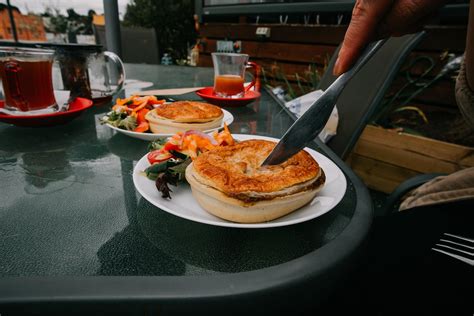
There’s nothing quite like a homemade country fruit pie, but a soggy bottom or a limp crust can be a heartbreaking disappointment. The quest for that perfectly golden, flaky, and audibly crispy pie crust is a culinary holy grail for many home bakers. Fear not, for achieving this desirable texture is entirely within your reach with a few key strategies.
The Foundation: Ingredients Matter
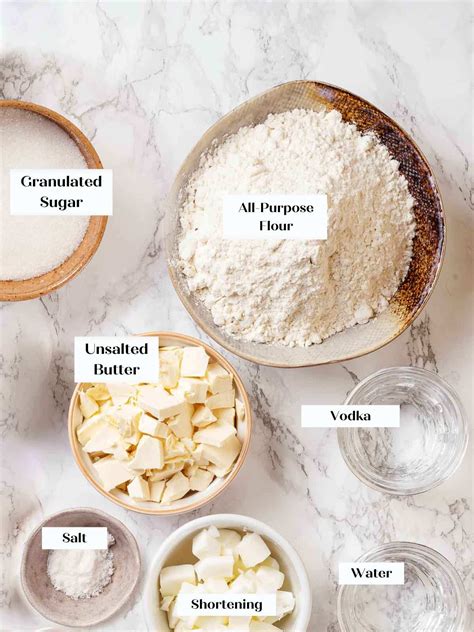
A truly crispy crust begins with its fundamental components. The type and temperature of your fat are paramount. Many bakers swear by a combination of unsalted butter for flavor and shortening or lard for superior flakiness and crispness. Butter provides that rich, dairy flavor, while shortening/lard contributes to a more tender and shatteringly crisp texture due to their higher melting points and pure fat composition.
Beyond fat, your flour choice matters. All-purpose flour is standard, but some bakers opt for a mix with a lower protein flour for a more tender crumb. Crucially, use very cold water, ideally ice water. The cold water prevents gluten from developing too quickly, which can lead to a tough crust, and helps keep the fat solid.
Mastering the Technique: Keep It Cold!
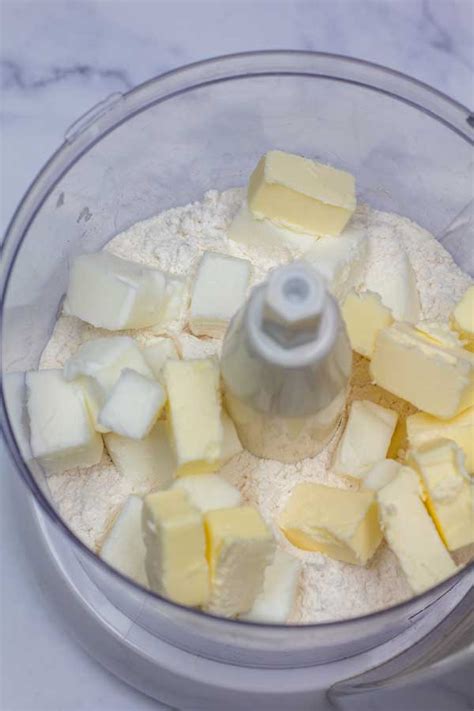
This is arguably the most critical rule for a crispy, flaky crust. All your ingredients, especially the fat and water, should be as cold as possible. Cut your butter or shortening into small cubes and chill them thoroughly before mixing. Some even recommend chilling your flour and mixing bowl! When incorporating the fat into the flour, work quickly to prevent the fat from melting. Larger pieces of cold fat will create steam pockets in the oven, leading to those coveted flaky layers.
Use your hands as little as possible, or a pastry blender/food processor, to minimize heat transfer. After mixing the dough, wrap it tightly and refrigerate it for at least 30 minutes, or even an hour or two. This chilling period allows the gluten to relax and the fat to firm up, making the dough easier to roll and ensuring maximum crispness.
Handle with Care: The Gentle Touch
Overworking pie dough is a common mistake that leads to tough, less crispy crusts. When you over-mix, you develop more gluten, which gives elasticity but detracts from tenderness and flakiness. Roll out your dough on a lightly floured surface with even pressure, turning it occasionally. Avoid stretching the dough too much, as this can cause it to shrink during baking. Once rolled, carefully transfer it to your pie plate.
The Secret Weapon: Blind Baking
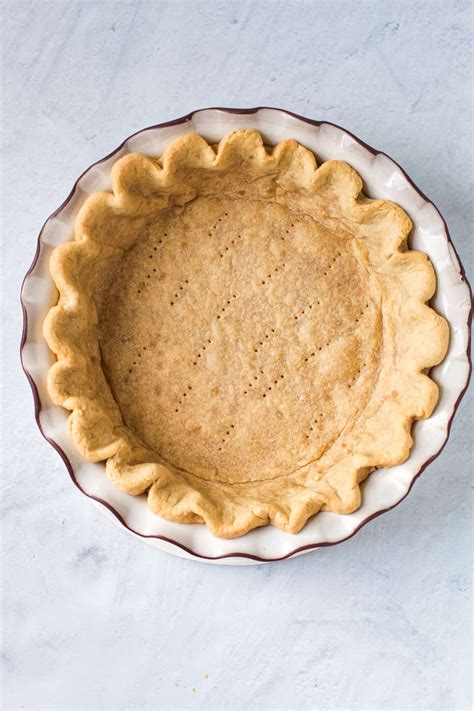
For fruit pies with very wet fillings, blind baking (or pre-baking) the bottom crust is your best defense against a soggy bottom, and therefore contributes significantly to overall crispness. Line your unbaked pie crust with parchment paper, fill it with pie weights, dried beans, or rice, and bake it in a hot oven (around 400-425°F or 200-220°C) until the edges are set and lightly golden. Remove the weights and parchment, then continue baking for a few more minutes until the bottom starts to dry out and lightly brown.
This pre-baking step creates a barrier, preventing the fruit filling’s moisture from saturating the dough during the longer bake with the filling. It essentially jump-starts the crisping process for the bottom crust.
Baking to Perfection: Heat and Steam Management
The oven temperature and baking environment play crucial roles. Start your pie in a very hot oven (425-450°F or 220-230°C) for the first 15-20 minutes. This initial burst of heat helps to set the crust quickly, creates steam from the cold fat pockets, and promotes rapid browning. Then, reduce the temperature to 375-400°F (190-200°C) for the remainder of the baking time to cook the filling thoroughly without burning the crust.
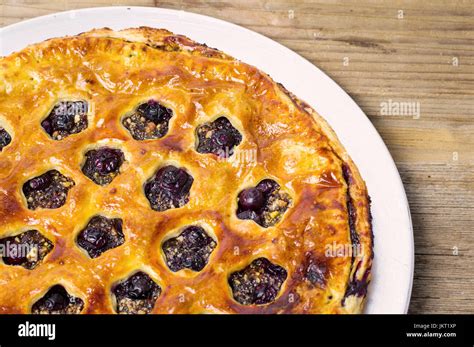
Ensure your pie has adequate ventilation. Cut vents in your top crust to allow steam from the fruit filling to escape. Trapped steam can make the crust soggy. If the crust edges are browning too quickly, loosely tent them with aluminum foil or use a pie crust shield.
Bonus Tips for Ultimate Crispiness
- Egg Wash: Brushing the top crust with an egg wash (egg yolk mixed with a little water or milk) before baking gives it a beautiful golden sheen and can contribute to a slightly crispier finish.
- Sugar Sprinkle: A sprinkle of coarse sugar over the egg-washed top crust adds sparkle and extra crunch.
- Bake on a Hot Surface: Place your pie on a preheated baking sheet or pizza stone. This transfers heat quickly to the bottom crust, helping it crisp up faster.
- Don’t Rush Cooling: Allow your pie to cool completely on a wire rack. Cutting into a warm pie too soon can lead to a gummy crust as the filling hasn’t fully set and the moisture is still evaporating.
By meticulously following these steps—from selecting the right ingredients and keeping everything cold to employing blind baking and proper heat management—you’ll be well on your way to crafting homemade country fruit pies with a crust that is not only beautiful but truly, gloriously crispy and flaky, every single time. Happy baking!