



Best organic pest control for common garden vegetables?

Nurturing Your Edibles: The Organic Way to Combat Pests
Cultivating a thriving vegetable garden is a rewarding endeavor, but the battle against pests can often feel relentless. For those committed to organic principles, ensuring your produce is free from synthetic chemicals is paramount. The good news is that nature provides a myriad of effective, eco-friendly solutions to keep common garden invaders at bay. Embracing organic pest control means working with nature, fostering a balanced ecosystem where your vegetables can flourish without harmful interventions.
Foundation First: Building a Resilient Garden
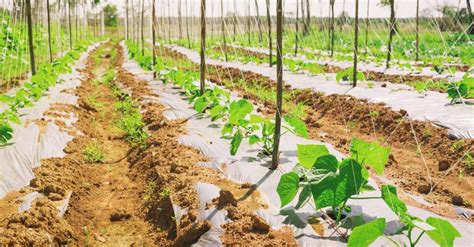
The strongest defense against pests begins with a healthy, vibrant garden ecosystem. Focus on building nutrient-rich soil, which supports robust plant growth, making plants naturally more resistant to pest attacks. Incorporate plenty of organic matter like compost, and ensure proper soil drainage. Appropriate spacing between plants improves air circulation, reducing the risk of fungal diseases that can weaken plants and make them more susceptible to pests.
Choosing disease-resistant and pest-resistant varieties adapted to your local climate is another crucial step. Healthy plants are better equipped to withstand minor pest pressure without intervention. Additionally, ensure your plants receive adequate water and sunlight, as stressed plants are often the first targets for hungry insects.

Hands-On Tactics: Physical Barriers and Manual Removal
Sometimes, the simplest methods are the most effective. Physical barriers can prevent pests from reaching your plants in the first place. Fine mesh row covers, for instance, can protect young brassicas from cabbage worms and flea beetles, while netting can deter birds and larger animals. Ensure the covers are securely anchored to prevent pests from crawling underneath.
Hand-picking larger pests like tomato hornworms, slugs, and squash bugs is a time-tested method. Make it a daily routine, especially in the mornings or evenings, and drop collected pests into a bucket of soapy water. Sticky traps can also be strategically placed to monitor and capture flying insects like whiteflies and fungus gnats, though they should be used judiciously to avoid catching beneficial insects.
Nature’s Allies: Welcoming Beneficial Insects
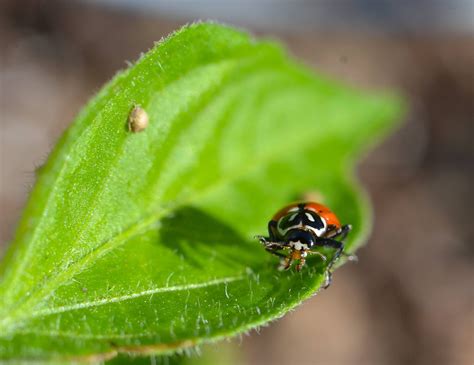
One of the cornerstones of organic pest control is attracting and nurturing beneficial insects that prey on garden pests. Ladybugs devour aphids, lacewings feast on mealybugs and spider mites, and parasitic wasps lay their eggs inside caterpillars. To invite these helpful allies, incorporate flowering plants with small, shallow blossoms like dill, fennel, cilantro, and cosmos into your garden borders. Provide a water source and avoid broad-spectrum pesticides that could harm them.
Botanical Solutions: Sprays from Nature’s Pantry
When pest populations get out of hand, natural sprays can provide targeted relief without resorting to harsh chemicals. Neem oil, derived from the neem tree, disrupts insect feeding and reproduction for a wide range of pests, including aphids, whiteflies, and spider mites. Insecticidal soaps work by suffocating soft-bodied insects and are generally safe for plants and beneficials once dry.
Homemade garlic or chili pepper sprays can also deter pests with their strong odors and irritating compounds. Always test any spray on a small section of the plant first to ensure it doesn’t cause damage, and apply in the early morning or late evening to minimize stress on plants and avoid harming pollinators.
The Power of Proximity: Strategic Companion Planting
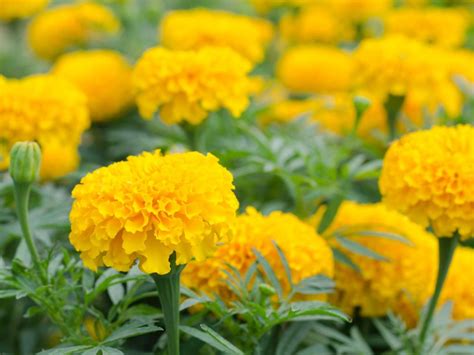
Companion planting involves growing specific plants together to deter pests, attract beneficial insects, or improve plant health. Marigolds are famous for repelling nematodes and several insect pests with their strong scent. Nasturtiums can act as a trap crop, drawing aphids away from more valuable vegetables. Herbs like basil planted near tomatoes can help deter tomato hornworms, while rosemary can keep bean beetles at bay. Researching beneficial plant pairings for your specific vegetables can yield impressive results.
Long-Term Strategies: Crop Rotation and Garden Hygiene
Implementing a crop rotation plan is vital for breaking pest life cycles. Pests often specialize in certain plant families; rotating crops to different areas each year prevents them from building up large populations in one spot. For example, don’t plant tomatoes in the same spot year after year. Similarly, good garden hygiene is crucial: promptly remove diseased or infested plant material, clear weeds that can harbor pests, and clean up fallen leaves and debris at the end of the season to eliminate overwintering sites for pests and pathogens.
A Harmonious Harvest
Organic pest control for your common garden vegetables is not about elimination, but rather about creating a balanced, resilient ecosystem where pests are managed naturally. It requires observation, patience, and a willingness to learn from your garden. By combining preventive measures, physical barriers, attracting beneficial insects, and using natural remedies when necessary, you can enjoy a bountiful, chemical-free harvest, supporting both your family’s health and the health of the planet.