
Easy ways to involve kids in garden harvest & homemade meal prep?

Involving children in the journey from garden to table is a wonderful way to teach them about food origins, healthy eating, and the satisfaction of creation. It transforms everyday tasks into exciting learning experiences and creates lasting family memories. Plus, kids are often more inclined to eat vegetables they’ve helped grow and prepare!
Making Harvest an Adventure
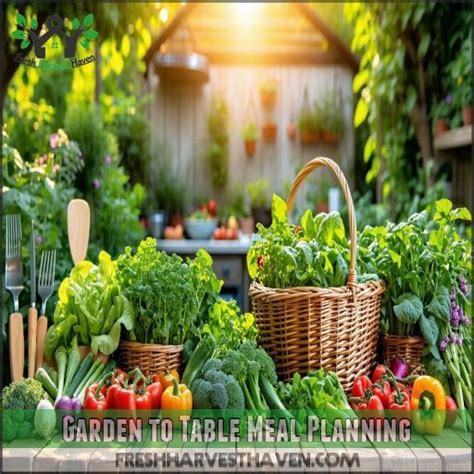
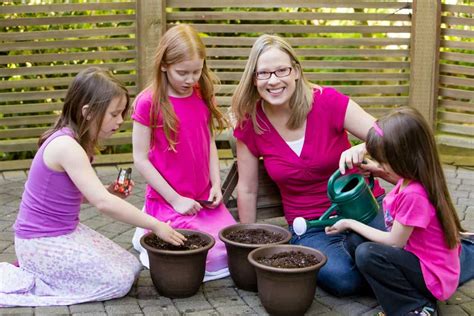
The garden itself is a classroom, and harvesting can be the most exciting part. Turn it into a treasure hunt, challenging kids to find the ripest tomatoes or the biggest zucchini. Assign age-appropriate tasks: even toddlers can help pull up carrots or snap off green beans with supervision. Older children can learn to identify different plants, understand ripeness, and use simple tools safely.
Encourage them to explore the textures, colors, and smells of the fresh produce. Talk about where their food comes from and how it grows. This hands-on experience builds a foundational appreciation for nature and the effort involved in food production.

Bringing the Bounty Indoors: Initial Prep
Once the harvest is in, the kitchen fun begins. Simple washing and sorting tasks are perfect for little hands. Set up a washing station where children can rinse greens, scrub potatoes, or clean berries. This is an excellent opportunity to discuss hygiene and the importance of clean food.
As they get a bit older, introduce them to basic kitchen tools. A blunt knife can be used for softer vegetables like cucumbers or bananas, while a peeler (with supervision) can tackle carrots. Even tearing lettuce for a salad can be a fun and engaging task. Emphasize safety and patience, letting them work at their own pace.

Culinary Creativity: Homemade Meal Prep
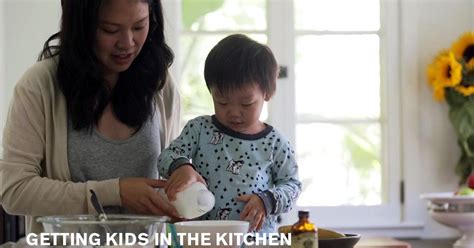
Now for the main event: meal preparation! Choose recipes that have steps kids can easily manage. Think about tasks like stirring batter, measuring ingredients, mashing potatoes, or decorating pizzas. Pancakes, simple soups, fruit salads, and homemade pizzas are fantastic starting points.
Let them choose some of the vegetables to go into a stir-fry or salad. Teach them about different spices and how they transform flavors. Always prioritize safety, especially around hot stoves or sharp utensils, but allow them to feel like a vital part of the cooking process. The more involved they are, the more ownership they’ll feel over the finished meal.
Beyond the Kitchen: Enjoying the Fruits of Labor
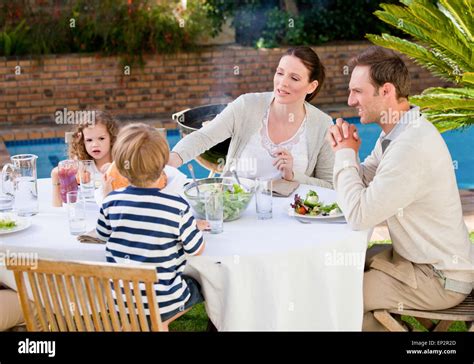
The ultimate reward for all this effort is sitting down together to enjoy the meal they helped create. Studies show that children are more likely to try and enjoy foods they’ve contributed to preparing. This fosters a sense of accomplishment and pride, reinforcing positive associations with healthy eating.
Use mealtime as an opportunity to talk about their contributions. Ask them what their favorite part of the process was, or what they learned. This shared experience strengthens family bonds and establishes healthy eating habits that can last a lifetime. It’s not just about the food; it’s about the connection.
Tips for Success
- Keep it fun: Avoid making it feel like a chore.
- Be patient: Things will get messy, and tasks will take longer.
- Age-appropriate tasks: Match activities to their skill level.
- Empowerment: Let them make choices where possible (e.g., what vegetable to pick).
- Praise effort: Acknowledge their contributions, big or small.
Involving kids in garden harvest and meal prep is more than just cooking; it’s cultivating life skills, fostering creativity, and nurturing a healthy relationship with food. It’s about building memories, one delicious, home-grown, homemade meal at a time.