
Key flavor swaps for garden produce in traditional homemade recipes?
Embracing Garden Bounty: Why Flavor Swaps Matter
There’s a unique joy in cooking with ingredients straight from your garden. The vibrant colors, the unparalleled freshness, and the abundance of seasonal produce can inspire culinary creativity. However, traditional homemade recipes often call for specific ingredients that might not be in season or readily available from your backyard patch. This is where the art of flavor swapping comes in handy. It’s not just about making do; it’s about enhancing your dishes, adding new dimensions, and making the most of your harvest while staying true to the spirit of classic cooking.
Learning to make smart substitutions allows you to adapt beloved family recipes to suit your garden’s yield, dietary needs, or simply to introduce exciting new flavor profiles. It’s about understanding the core role an ingredient plays in a dish and finding a suitable counterpart that delivers a similar impact, whether that’s sweetness, acidity, bitterness, or a particular texture.
Understanding Flavor Profiles for Smart Swaps
The foundation of successful flavor swapping lies in understanding the basic flavor profiles: sweet, sour, salty, bitter, and umami. Beyond these, consider the texture (crisp, tender, creamy, fibrous) and aromatic qualities (herbal, pungent, earthy) of the ingredients. A good swap aims to match as many of these characteristics as possible or intentionally contrast them for an interesting twist.
When swapping garden produce, think about the primary function of the original ingredient. Is it providing bulk, sweetness, acidity, or an aromatic base? For instance, if a recipe calls for spinach, you might consider other leafy greens like kale or Swiss chard, understanding that their bitterness levels and cooking times might differ slightly.

Savory Substitutions: Greens, Roots, and Herbs
Leafy Green Alternates
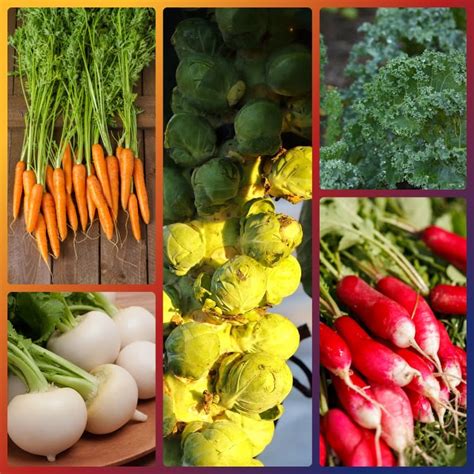
- Spinach for Kale or Swiss Chard: In soups, stews, or pasta dishes, kale or chard can often stand in for spinach. Remember that kale and chard have a firmer texture and a slightly more bitter taste, which can be mellowed by longer cooking or a squeeze of lemon.
- Arugula for Watercress: In salads or as a garnish, peppery arugula makes a vibrant substitute for watercress, offering a similar pungent bite.
Root Vegetable Replacements
- Carrots for Parsnips or Sweet Potatoes: In roasts, purees, or stews, the sweetness of carrots can replace parsnips or sweet potatoes. Adjust cooking times as needed; parsnips are denser than carrots.
- Radishes for Turnips: For a peppery crunch in salads or quick pickles, sliced radishes can be a great stand-in for mild turnips, especially when raw.
Aromatic Herb Mix-ups
- Basil for Mint (in certain contexts): While distinct, in some fruit salads or even a creative pesto, a fragrant sweet basil can offer a fresh, aromatic lift where mint might typically be used, creating a new flavor dimension.
- Dill for Tarragon: In creamy sauces, fish dishes, or potato salads, the fresh, slightly anisy flavor of dill can often replace tarragon, providing a similar herbaceous note.
Sweet Swaps: Fruits and Berries for Desserts and Jams
Berry Good Alternatives
- Strawberries for Raspberries: In pies, crumbles, or jams, strawberries can replace raspberries. They both offer sweetness and a slightly tart profile, though strawberries are generally milder.
- Blueberries for Blackberries: For muffins, pancakes, or fruit compotes, blueberries can seamlessly step in for blackberries, providing a similar burst of fruity sweetness.
Stone Fruit Substitutions
- Peaches for Apricots: In cobblers, tarts, or preserves, the juicy sweetness of peaches can be an excellent substitute for apricots, especially when ripe.
- Plums for Cherries: For fruit sauces or fillings, the rich, deep flavor of plums can often replace cherries, particularly darker varieties.

Beyond Direct Swaps: Considering Texture and Technique
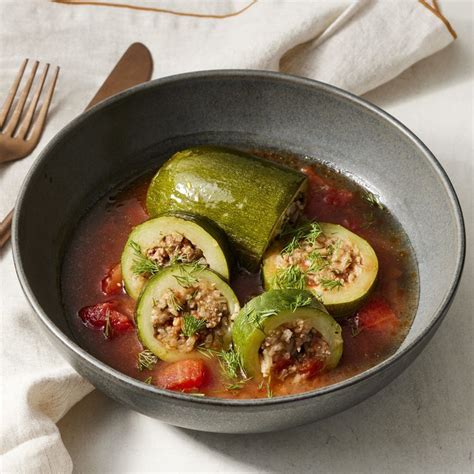
Sometimes, a direct flavor swap isn’t enough; you need to consider the ingredient’s structural role. For example, if a recipe uses zucchini for its moisture and bulk, and you’re substituting with something like eggplant, you might need to pre-salt the eggplant to draw out excess water or adjust other liquid components in the recipe.
Cooking technique can also be your ally. Roasting vegetables often brings out their natural sweetness, making them more suitable as substitutes for sweeter ingredients. Blanching tougher greens can make them tender enough to mimic softer varieties. Don’t be afraid to experiment with how you prepare your garden produce to fit it into a traditional recipe.

Tips for Successful Flavor Swapping
- Start Small: When trying a new swap, don’t commit to the entire recipe. Try a small portion first.
- Taste as You Go: This is crucial. Taste your dish regularly and adjust seasonings.
- Consider Complementary Flavors: Think about what flavors naturally pair well together. A swap shouldn’t clash with the other ingredients.
- Don’t Be Afraid to Experiment: Culinary creativity is often born from experimentation. Some of the best dishes come from unexpected pairings.
- Adjust Textures: If your swap has a different texture, consider how you can modify it (e.g., cooking longer, chopping differently, pureeing).

Conclusion
Swapping garden produce into traditional homemade recipes is a wonderful way to celebrate seasonality, reduce food waste, and infuse your cooking with fresh, vibrant flavors. By understanding the core characteristics of ingredients and being open to experimentation, you can transform classic dishes into new family favorites that truly reflect the bounty of your garden. So go ahead, harvest your imagination along with your vegetables, and let your kitchen be a place of delicious discovery!