
How do you use ‘real food’ kitchen mishaps BTS to build trust and teach instead of deter?

In the polished world of food media, perfect dishes often take center stage. Every ingredient is impeccably placed, every sauce gleams, and every outcome is flawlessly delicious. But what happens when the reality of ‘real food’ cooking – the spills, the burns, the collapsed soufflés – inevitably rears its head? Instead of sweeping these kitchen mishaps under the rug, a powerful opportunity arises to transform potential blunders into a cornerstone of trust and invaluable teaching moments, especially when shared behind the scenes.
Embracing the Authenticity of Real Food
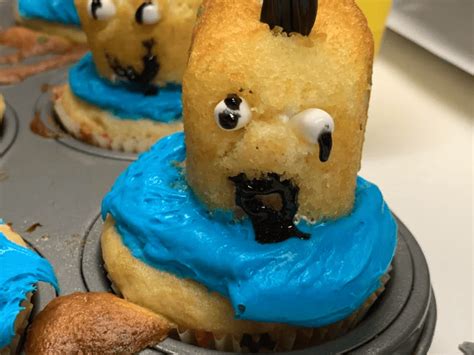
The pursuit of culinary perfection, while aspirational, can often feel intimidating and out of reach for many home cooks. Audiences are increasingly savvy and crave authenticity. They know that even professional chefs have off days or encounter unexpected challenges. Sharing the raw, unedited moments of your kitchen – the dough that didn’t rise, the sauce that split, the cake that stuck – humanizes your content and makes it far more relatable than an endless stream of flawless creations.
From Flop to Fantastic Lesson
A kitchen mishap isn’t just a failure; it’s a data point. It’s a clear indication that something went differently than planned, and within that difference lies a profound teaching opportunity. Instead of just showing the “after” of a successful dish, take your audience “behind the scenes” to understand the “why” and “how” of a culinary challenge. Did the bread fail because the yeast was old? Did the caramel crystallize because of stirring at the wrong time? Explain the science, the technique, and the workaround.
By dissecting the problem, explaining the likely cause, and then demonstrating how to correct it or what to do differently next time, you elevate your content from mere recipe sharing to genuine culinary education. You’re not just showing them what to make, but how to think like a cook, problem-solve, and recover from common errors.
Cultivating Trust Through Vulnerability
There’s a unique bond forged when someone is vulnerable and transparent. When you share your kitchen missteps, you signal to your audience that you’re human, just like them. This vulnerability breaks down barriers, fostering a sense of camaraderie and trust that polished perfection often fails to achieve. People trust those who are real, who admit their struggles, and who are willing to share their learning journey.
This deepens engagement far beyond simple recipe followers. Your audience becomes more invested, knowing that you’re not just presenting an unattainable ideal, but genuinely guiding them through the ups and downs of cooking. They see you as a mentor, not just a performer, and this distinction is crucial for building a loyal and engaged community.

Practical Strategies for Sharing Blunders Effectively
- Be Transparent & Honest: Don’t try to hide or sugarcoat the failure. Acknowledge it directly.
- Show, Don’t Just Tell: Where possible, show video clips or photos of the actual mishap.
- Explain the “Why”: Dedicate time to explaining what went wrong and why. This is the core teaching moment.
- Offer Solutions & Prevention: Immediately follow up with advice on how to fix the current situation or prevent it from happening again.
- Maintain a Positive Tone: Frame it as a learning experience, not a catastrophic defeat. Humor can be a great tool.
- Encourage Sharing: Invite your audience to share their own kitchen mishaps and lessons learned in the comments.
The Long-Term Impact: A Resilient & Engaged Audience
By consistently sharing the “real” behind-the-scenes of your kitchen, you build a resilient audience that isn’t easily deterred by their own cooking challenges. They learn that mistakes are part of the process, not an end to it. This approach not only educates them but also empowers them to experiment, troubleshoot, and become more confident cooks themselves.
Ultimately, transforming kitchen mishaps into trust-building, teaching moments is a powerful strategy for any food creator. It shifts the narrative from unattainable perfection to accessible learning, creating a more authentic, engaged, and loyal community around your real food journey.