
Repairing old wooden garden tools: Best natural finish or treatment?
Old wooden garden tools often hold sentimental value and are built to last. Instead of discarding them, a simple restoration can bring them back to life, providing years of continued service. Beyond functionality, the tactile pleasure of a well-maintained wooden handle is unmatched. This guide will walk you through the process of reviving your cherished tools and help you choose the best natural finish or treatment to protect them.
Why Restore Old Wooden Tools?
Restoration isn’t just about saving money; it’s about sustainability and preserving craftsmanship. Older tools were often made with higher quality materials and robust designs that are superior to many modern counterparts. Giving them a new lease on life reduces waste and connects you with a more enduring approach to gardening.
The Restoration Process: Step-by-Step
Cleaning and Inspection
Begin by thoroughly cleaning the wooden handles. Use a stiff brush or scraper to remove caked-on dirt, rust, and old paint flakes. A mixture of warm water and a mild detergent can help lift stubborn grime. Rinse well and allow the wood to dry completely, which might take a day or two depending on humidity. Inspect for cracks, rot, or loose connections between the handle and the tool head.
Sanding and Smoothing
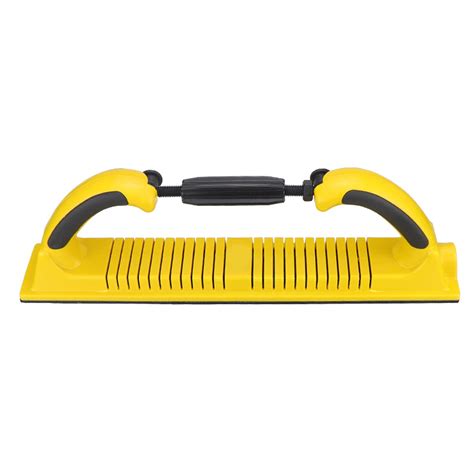
Once dry, sand the wooden handles to remove splinters, smooth rough patches, and prepare the surface for treatment. Start with a medium-grit sandpaper (e.g., 80-120 grit) to remove major imperfections, then move to a finer grit (e.g., 180-220 grit) for a silky-smooth finish. Pay attention to areas where hands grip, ensuring they are comfortable and splinter-free.
Minor Repairs
For small cracks, wood glue can be applied and clamped. Loose tool heads often require re-seating or adding a wedge. Ensure all repairs are solid and the tool is safe to use before proceeding to the finishing stage.
Choosing Your Natural Finish: Top Options
The beauty of natural finishes lies in their ability to protect the wood while allowing it to breathe and age gracefully. They enhance the wood’s natural grain and provide a pleasant, non-toxic feel. Selecting the right finish depends on your desired look, durability needs, and willingness for reapplication.
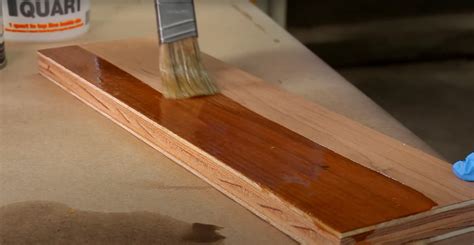
Boiled Linseed Oil (BLO)
BLO is a classic choice for tool handles. It penetrates deeply into the wood, hardening to create a durable, water-resistant finish that enhances the grain. It’s relatively inexpensive and easy to apply. However, it takes time to cure fully, and rags soaked in BLO can spontaneously combust if not properly disposed of (lay flat to dry outdoors).
Tung Oil
Pure tung oil offers superior water resistance and a more natural, matte finish than BLO. It’s non-toxic and food-safe once cured, making it an excellent choice for tools that might come into contact with edible plants. Tung oil builds up a more durable finish over multiple coats but takes longer to dry between applications and is generally more expensive.
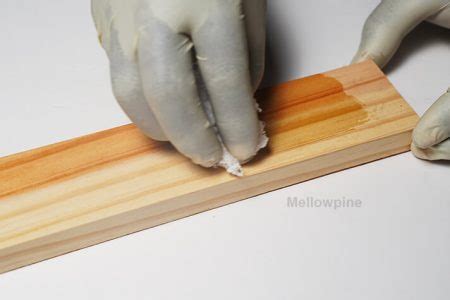
Mineral Oil
While primarily a conditioner rather than a hardening finish, mineral oil is very easy to apply, non-toxic, and inexpensive. It keeps wood hydrated and prevents cracking but offers minimal protection against water or wear. It requires frequent reapplication, making it less ideal for high-use tools but acceptable for occasional-use items or as a base for beeswax blends.
Beeswax/Oil Blends
Many DIYers create or purchase blends of beeswax with a natural oil (like mineral oil or linseed oil). These blends offer the protective qualities of oil with the added barrier and pleasant feel of beeswax. They are excellent for hydration, minor water resistance, and providing a smooth, non-slippery grip. Application is simple: rub on, let sit, then buff off.
Application Tips for Durability
Regardless of the finish you choose, proper application is key. Apply oils with a clean cloth, rubbing it into the wood grain. For BLO and tung oil, apply thin coats, allowing each to fully penetrate and dry before applying the next (24-72 hours, depending on the product and humidity). Multiple thin coats are always better than one thick coat. For beeswax blends, apply generously, let it soak in for 15-30 minutes, then buff off excess with a clean cloth.

Maintenance for Longevity
To keep your restored tools in top condition, reapply your chosen finish periodically, especially after periods of heavy use or if the wood starts to look dry. Store tools in a dry place to prevent rot and rust. Regularly cleaning off dirt and debris after each use will also significantly extend their lifespan and keep them pleasant to handle.
Reviving old wooden garden tools is a rewarding project that blends practicality with a touch of craftsmanship. By carefully cleaning, sanding, and applying a natural finish like linseed oil, tung oil, or a beeswax blend, you not only extend the life of your tools but also enhance your gardening experience with the feel of well-cared-for wood. Embrace the joy of restoration and get those beloved tools back in the soil!