
What non-toxic wood is best for building DIY raised garden beds on a budget?
Why Choose Non-Toxic Wood for Your Raised Garden Beds?
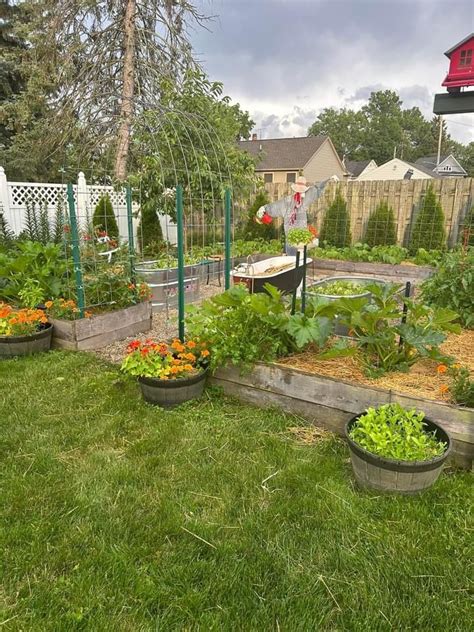
Raised garden beds are a fantastic way to improve soil drainage, extend the growing season, and manage pests in your home garden. When building your own, especially on a budget, it’s tempting to grab the cheapest lumber available. However, for a food-producing garden, the material choices for your bed’s structure are crucial. Opting for non-toxic wood ensures that harmful chemicals won’t leach into your soil and, subsequently, into the food you grow.
Many common lumber types are treated with preservatives to resist rot and insects, but these chemicals can be detrimental to plant health and human consumption. Prioritizing safety and sustainability doesn’t mean breaking the bank; it just requires smart choices.
Key Considerations for Budget-Friendly, Non-Toxic Wood
When searching for the ideal wood, you’ll need to balance three main factors: cost, durability, and non-toxicity. Finding a material that offers excellent rot resistance and longevity without chemical treatments, all while staying within a tight budget, can be a challenge but is entirely achievable.
- Cost: This is often the primary driver for budget projects. Look for materials that are readily available locally and don’t require specialized ordering or shipping.
- Durability/Longevity: How long will the wood last when exposed to soil, moisture, and the elements? Untreated wood will naturally have varying lifespans.
- Non-Toxicity: Absolutely essential for food gardens. Avoid any wood treated with preservatives like CCA, ACQ, or creosote.
Top Non-Toxic Wood Choices for Budget Builders
Untreated Cedar
Cedar is often considered the gold standard for raised garden beds due to its natural resistance to rot and insects, thanks to its inherent oils. While some cedar varieties can be pricey, looking for untreated fence pickets or less premium grades can significantly reduce costs. Cedar heartwood is the most resistant, but even sapwood offers better durability than many other untreated softwoods. Expect a lifespan of 10-15 years or more, making it a good investment even at a slightly higher initial cost than pine.
Untreated Douglas Fir or Larch
These woods are more commonly available and generally more affordable than cedar, especially in certain regions. Douglas fir and larch offer moderate natural rot resistance, particularly their heartwood. While they won’t last as long as cedar (expect 5-10 years), they are a good step up in durability from pine without chemical treatments. Ensure you specify untreated lumber when purchasing.
Untreated Pine or Spruce
Pine and spruce are typically the cheapest and most widely available lumber options. The downside is their low natural resistance to rot and decay. Untreated, they might only last 2-5 years when in direct contact with soil. To extend their life, consider lining the inside of the beds with a food-safe pond liner or heavy-duty plastic sheeting (ensuring good drainage holes). This acts as a barrier between the soil and the wood, though the exterior will still be exposed to weather.
Reclaimed or Upcycled Wood
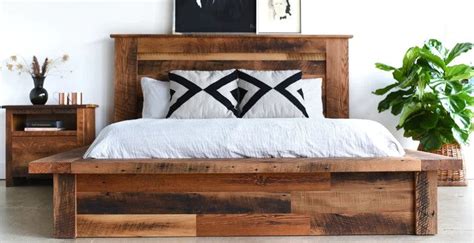
This is arguably the most budget-friendly option, as you might find materials for free or very cheap. Sources include old fencing, pallet wood, or lumber salvaged from demolition projects. The critical caveat here is to be absolutely certain the wood has never been treated with chemicals, painted with lead-based paint, or exposed to contaminants. Pallets, in particular, should be checked for an ‘HT’ stamp (Heat Treated) indicating they’re safe, avoiding ‘MB’ (Methyl Bromide fumigation).
Woods to Strictly Avoid for Food Gardens
For the health of your garden and your family, always steer clear of:
- Pressure-Treated Lumber: Historically treated with chromated copper arsenate (CCA), and more recently with less toxic but still questionable alkaline copper quat (ACQ) or copper azole (CA). While newer treatments are considered safer for decking, many experts still advise against them for direct contact with food-producing soil.
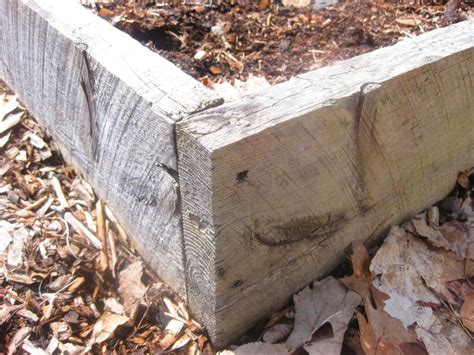
- Railroad Ties or Telephone Poles: These are often treated with creosote, a known carcinogen, and are absolutely unsuitable for garden beds.
Maximizing Lifespan on a Budget
Even with budget-friendly untreated woods, you can take steps to extend their longevity:
- Internal Liners: As mentioned, using food-safe plastic sheeting or pond liner can create a barrier between the soil and wood, significantly extending the life of less durable woods like pine. Make sure to cut drainage holes in the bottom.
- Good Drainage: Ensure your beds have excellent drainage to prevent standing water, which accelerates wood decay.
- Air Circulation: Avoid placing beds directly against structures where moisture can get trapped. Good airflow helps dry out the wood.
- Footings: Elevating the wood slightly off the ground using gravel, paver blocks, or rot-resistant cedar footings can prevent constant contact with moist soil.

Conclusion
Building a non-toxic raised garden bed on a budget is completely achievable with thoughtful material selection. Untreated cedar offers the best balance of longevity and natural resistance, while untreated Douglas fir/larch provides a more affordable middle ground. For the absolute tightest budgets, untreated pine/spruce or carefully vetted reclaimed wood can work, especially when combined with internal liners to protect the wood. By making informed choices, you can create a beautiful, productive, and safe garden space without compromising your wallet or your health.