


How to organically enrich garden soil for better vegetable yields each season?
For any gardener, the dream of a bountiful harvest begins not with the seed, but with the soil. Healthy, vibrant soil is the bedrock of a productive vegetable garden, offering the essential nutrients, structure, and microbial life needed for plants to thrive. Chemical fertilizers might offer a quick fix, but they often deplete the soil’s long-term vitality. Organic enrichment, however, builds a living, breathing ecosystem beneath your feet, leading to more resilient plants, better yields, and a sustainable gardening practice season after season.
Understanding Your Soil’s Needs
Before embarking on any enrichment program, it’s wise to understand your soil’s current condition. A simple soil test can reveal its pH level, nutrient deficiencies, and texture (sandy, loamy, clay). This knowledge is crucial for tailoring your organic approach. Generally, healthy garden soil should be rich in organic matter, well-draining yet moisture-retentive, and teeming with beneficial microorganisms.
The Powerhouse of Compost
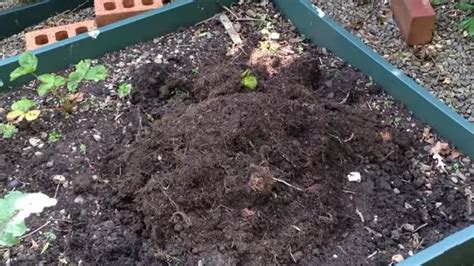
Compost is arguably the most fundamental and effective way to organically enrich garden soil. It’s a goldmine of decomposed organic matter, packed with nutrients and beneficial microbes. Regularly incorporating compost improves soil structure, aeration, drainage in heavy soils, and water retention in sandy soils. It also acts as a slow-release fertilizer, steadily feeding your plants.
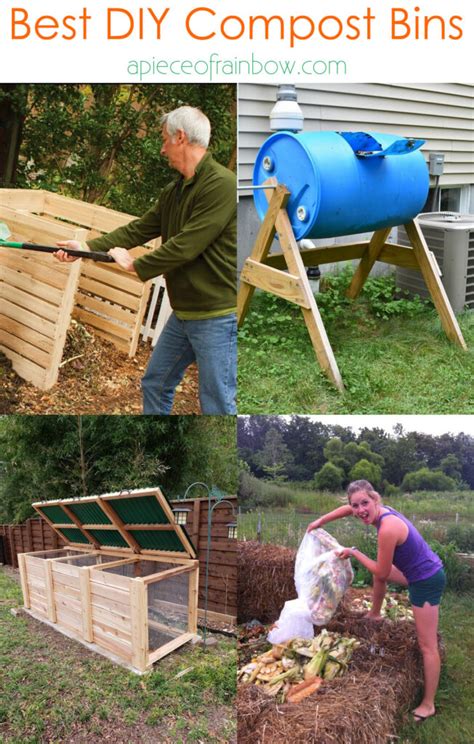
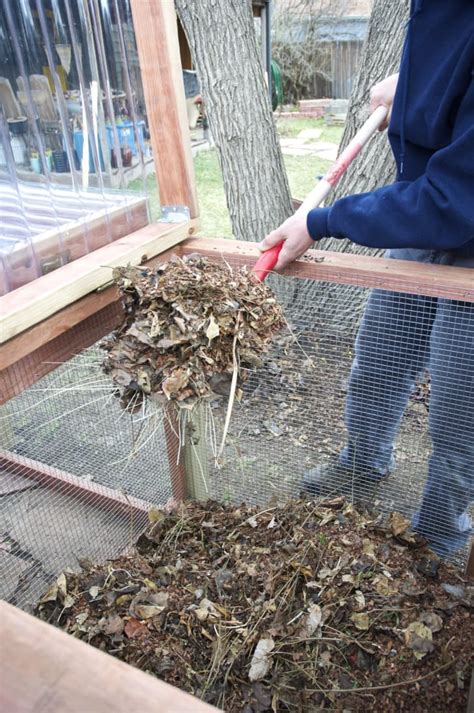
To get started, create a compost pile or use a composter. Add a mix of “greens” (nitrogen-rich items like grass clippings, vegetable scraps) and “browns” (carbon-rich items like dry leaves, shredded cardboard). Turn the pile occasionally to aerate it, and keep it consistently moist. Once it breaks down into a dark, crumbly material that smells like fresh earth, it’s ready to be incorporated into your garden beds.
Embrace Green Manures and Cover Crops
Cover crops, sometimes called green manures, are plants grown specifically to benefit the soil rather than for harvest. Sown during off-seasons or in fallow beds, they protect the soil from erosion, suppress weeds, and, most importantly, add organic matter and nutrients when tilled under. Leguminous cover crops like clover or vetch fix atmospheric nitrogen into the soil, while others like rye or buckwheat add significant biomass.
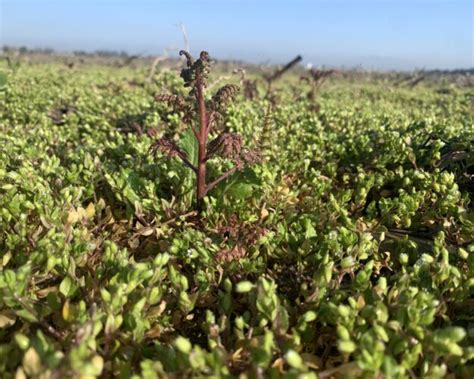
Planting cover crops is a proactive step towards building soil fertility. They also improve soil structure, reduce compaction, and provide habitat for beneficial insects. When the time comes, simply chop them down and incorporate them into the top few inches of soil a few weeks before planting your main crops, allowing them time to decompose and release their goodness.
The Magic of Mulch
Mulching is a simple yet incredibly effective organic practice. Applying a layer of organic material like straw, wood chips, shredded leaves, or grass clippings around your plants offers numerous benefits. It suppresses weeds by blocking sunlight, conserves soil moisture by reducing evaporation, and moderates soil temperature, keeping roots cooler in summer and warmer in winter.
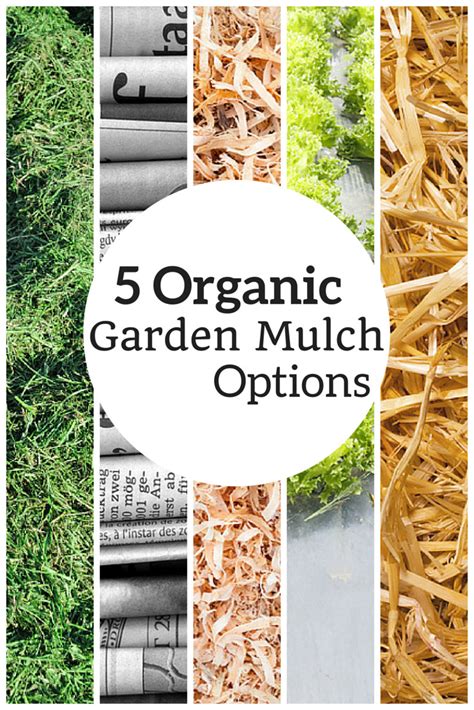
As organic mulches slowly decompose, they continuously feed the soil with organic matter and nutrients, enhancing microbial activity and improving soil structure over time. Just be sure to keep mulch a few inches away from the stems of plants to prevent moisture-related issues.
Worm Power: Vermicomposting
For an intensive boost to your soil, consider vermicomposting. A worm bin, filled with red wigglers, can turn your kitchen scraps into nutrient-rich worm castings (worm poop) and “worm tea.” These castings are incredibly potent soil amendments, packed with beneficial microbes, enzymes, and plant-available nutrients. They improve soil structure, enhance root growth, and can even help suppress plant diseases.
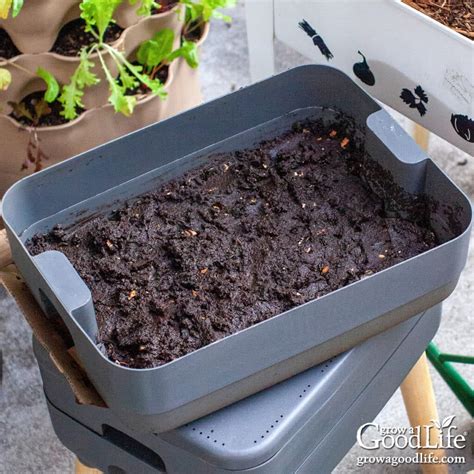
Incorporating vermicompost into your potting mixes or side-dressing your garden plants with castings provides a powerful, natural fertilizer that promotes vigorous growth and higher yields. It’s a fantastic way to recycle organic waste and produce a premium soil enhancer right at home.
The Long-Term Strategy: Crop Rotation and Soil Testing
Beyond direct amendments, strategic gardening practices contribute significantly to long-term soil health. Crop rotation, for example, prevents the depletion of specific nutrients and breaks pest and disease cycles. Grouping plants by their nutritional needs (e.g., heavy feeders, light feeders, nitrogen fixers) and rotating them through different beds each season helps balance soil nutrient use.
Regular soil testing every few years allows you to monitor changes in your soil’s composition and adjust your organic enrichment strategies accordingly. This proactive approach ensures you’re always providing what your soil needs, rather than guessing.

Conclusion: A Living Soil for Thriving Vegetables
Organically enriching your garden soil is an ongoing journey, not a one-time task. By consistently applying methods like composting, growing cover crops, mulching, and harnessing the power of worms, you create a vibrant, self-sustaining ecosystem beneath your vegetable patch. This dedication to soil health will be rewarded with robust, disease-resistant plants and consistently abundant harvests, making every season more fruitful than the last. Embrace these practices, and watch your garden — and your yields — flourish.