




Simple ways to adapt seasonal garden vegetables into any recipe?
Embracing the Bounty: Why Seasonal Vegetables Matter
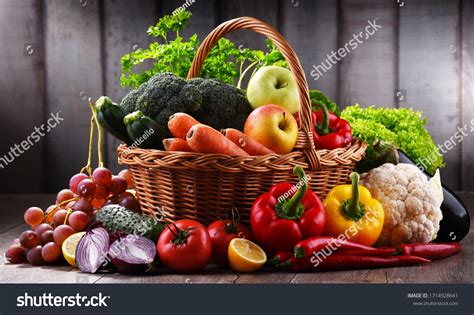
There’s nothing quite like the taste of fresh, seasonal vegetables straight from the garden or local market. Their vibrant flavors, crisp textures, and peak nutritional value make them a culinary delight. However, knowing how to seamlessly integrate this ever-changing bounty into your everyday cooking can sometimes feel like a challenge. The good news is that adapting seasonal vegetables into virtually any recipe is simpler than you might think, requiring just a few key techniques and a dash of creativity.
By learning to be flexible with your ingredients, you not only enjoy healthier, more flavorful meals but also reduce food waste and save money. This guide will equip you with practical strategies to make seasonal produce the star of your kitchen, no matter the dish.
Mastering Basic Preparation Techniques
The foundation of successful vegetable adaptation lies in understanding basic preparation. Most vegetables can be boiled, steamed, sautéed, roasted, or grilled, and often, a quick pre-cook is all that’s needed before adding them to a recipe. Consider the texture and cooking time of your chosen vegetable. Harder root vegetables like carrots and potatoes will need more cooking than tender greens like spinach or zucchini.
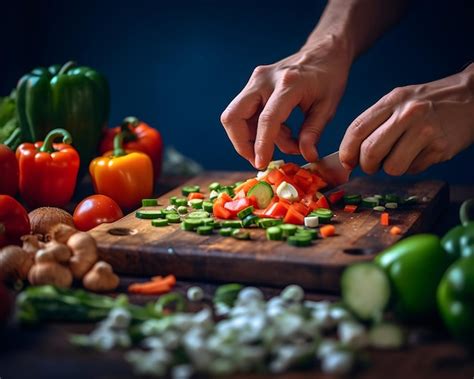
Chopping consistency is also key. Uniformly sized pieces will cook evenly, preventing some parts from being undercooked while others are mushy. Think about the final dish: large chunks for a stew, small dice for a delicate pasta sauce, or thinly sliced for a quick stir-fry.
Adaptation Strategies for Any Dish
1. The “Swap-In” Method
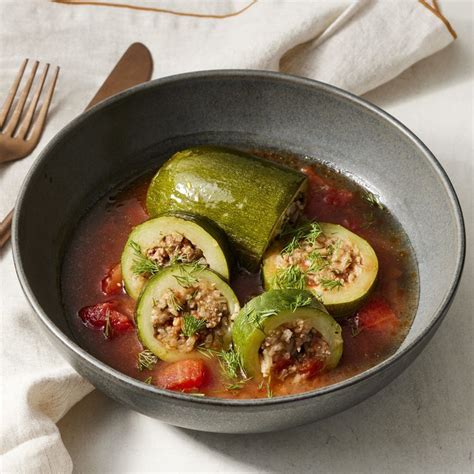
This is perhaps the easiest way to incorporate new vegetables. Simply replace a vegetable in an existing recipe with a seasonal alternative. For instance, if a recipe calls for bell peppers, but you have an abundance of zucchini, swap them out! Broccoli can easily replace cauliflower in a gratin, and garden tomatoes can elevate any pasta sauce that typically uses canned ones. Just consider the flavor profile and texture; a watery vegetable might need to be cooked down a bit more, while a sturdy one might require a longer cooking time.
2. The “Boost-It” Method
Many recipes benefit from simply adding more vegetables without replacing anything. Soups, stews, casseroles, and stir-fries are perfect candidates for this. Have extra kale? Toss it into a bean soup. A few extra green beans? Add them to a potato salad. This method is excellent for boosting nutrients and making meals more satisfying. For baked goods like muffins or quick breads, shredded zucchini or carrots can add moisture and subtle sweetness without drastically altering the recipe.
3. The “Flavor Foundation” Method
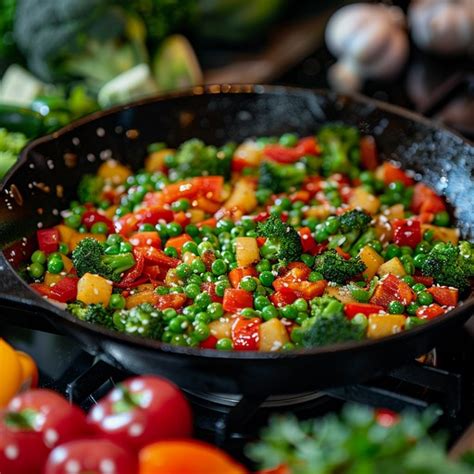
Use seasonal vegetables as the aromatic base for a dish. A mirepoix (onions, carrots, celery) is a classic example, but you can get creative. Sautéed leeks and garlic can form the base of a creamy sauce, while roasted butternut squash can be pureed into a rich soup or pasta sauce. Even blending fresh herbs and greens like basil or spinach into a pesto can introduce seasonal flavors in a foundational way.
Creative Pairings and Flavor Profiles
Don’t be afraid to experiment with how different vegetables interact with herbs, spices, and other ingredients. Earthy root vegetables often pair well with robust herbs like rosemary and thyme, while delicate greens sing with lemon, dill, or mint. A little acidity (vinegar, lemon juice) can brighten flavors, and a touch of sweetness (honey, maple syrup) can balance bitterness.
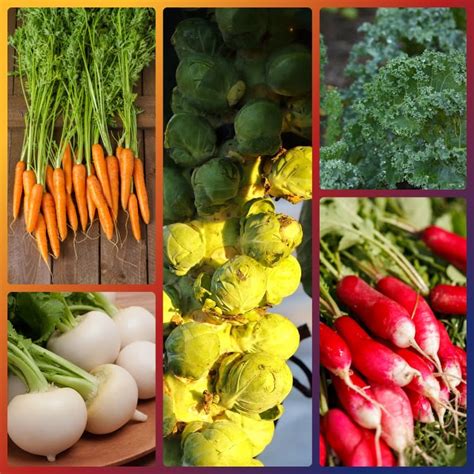
Consider the method of cooking too. Roasting caramelizes natural sugars, bringing out deeper flavors from vegetables like carrots, Brussels sprouts, or sweet potatoes. Sautéing in a good quality oil with garlic and onions provides a quick, flavorful start for almost any vegetable. Textural contrasts are also important; combine soft cooked vegetables with something crunchy like nuts or croutons.
Tips for Success and Storage
- Blanch and Freeze: If you have an abundance, blanching and freezing vegetables is an excellent way to preserve them for later use in soups, stews, or casseroles.
- Utilize Scraps: Don’t discard peels and ends! Use them to make homemade vegetable broth, adding depth to future dishes.
- Taste as You Go: Always taste your dish and adjust seasonings. Sometimes a simple sprinkle of salt, a squeeze of lemon, or a pinch of chili flakes can transform a dish.
- Keep it Simple: Sometimes the best way to enjoy seasonal vegetables is with minimal intervention – a simple roast with olive oil, salt, and pepper can highlight their natural flavors beautifully.
Conclusion: Unlock Your Culinary Creativity
Adapting seasonal garden vegetables into any recipe is about embracing flexibility, understanding basic cooking principles, and having fun in the kitchen. By mastering a few simple techniques and thinking creatively about swaps and additions, you can transform your meals into vibrant, nutritious, and incredibly flavorful experiences all year round. So, next time you have a basket full of garden goodness, don’t just stick to the usual; let your culinary imagination soar!