



Organic ways to deter common garden pests from homegrown vegetables?
Embracing Nature: Why Organic Pest Control Matters
For many country living enthusiasts, the joy of harvesting homegrown vegetables is unparalleled. However, this delight can quickly turn to dismay when common garden pests decide to make your organic bounty their next meal. The good news is that you don’t need harsh chemicals to protect your precious plants. By understanding and implementing organic pest control methods, you can maintain a thriving garden that works in harmony with nature.
Organic pest deterrence is not just about eliminating pests; it’s about creating a resilient ecosystem in your garden where plants are healthy enough to fend off invaders, and natural predators are encouraged. This holistic approach ensures the safety of your family, pets, and the wider environment, all while yielding delicious, chemical-free produce.
Building a Strong Foundation: Healthy Soil and Plant Vigor
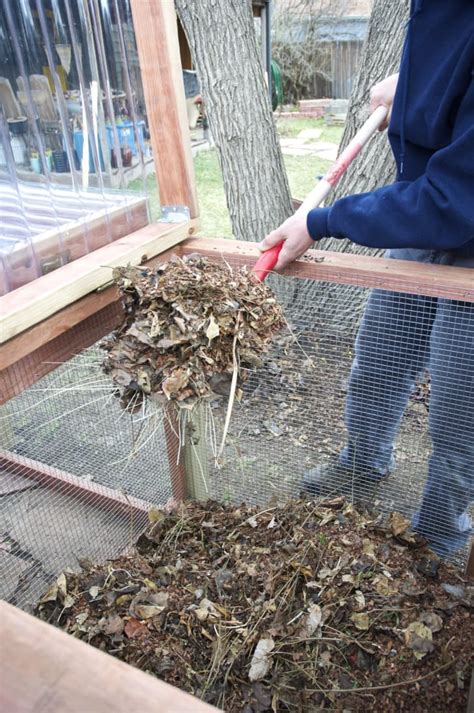
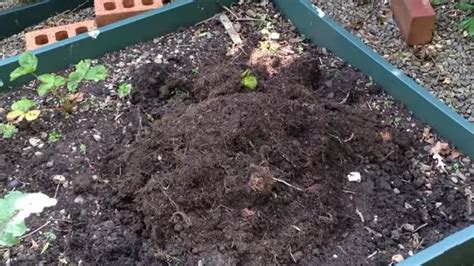
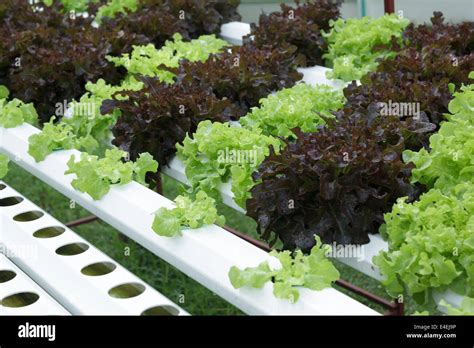
The first line of defense against pests is a healthy plant. Plants grown in rich, well-balanced soil with adequate nutrients are naturally more robust and less susceptible to pest attacks. Amend your soil with compost, well-rotted manure, and other organic matter to improve its structure, drainage, and fertility. Regular mulching not only conserves moisture and suppresses weeds but also creates a favorable environment for beneficial soil microorganisms.
Proper watering and appropriate plant spacing also contribute significantly to plant health. Overcrowded or stressed plants are magnets for pests and diseases. Ensure good air circulation and sufficient sunlight for all your crops to help them thrive and resist potential invaders.
Strategic Planting: Companion Planting and Trap Cropping
One of the oldest and most effective organic strategies is companion planting. Certain plants, when grown together, can deter pests or attract beneficial insects. For example, marigolds are known to repel nematodes and other soil pests, while nasturtiums can act as a trap crop, luring aphids away from your main vegetables. Planting dill, cilantro, and parsley near your vegetables can attract predatory wasps and hoverflies, which feast on aphids and other soft-bodied insects.
Another smart technique is trap cropping, where you intentionally plant a more appealing crop nearby to draw pests away from your primary vegetables. For instance, planting a sacrificial patch of mustard greens might attract flea beetles, saving your kale and cabbage.
![Companion Planting Guide and Examples [For Vegetable Gardens] | Family ...](/images/aHR0cHM6Ly90czMubW0uYmluZy5uZXQvdGg/aWQ9T0lQLm85ODVtSTdscFI3UHJLVUpEWjRuV0FIYVVJJnBpZD0xNS4x.webp)
Physical Barriers and Manual Removal
Sometimes, the simplest solutions are the most effective. Physical barriers can prevent pests from reaching your plants in the first place. Row covers made from fine mesh netting can protect young seedlings from flying insects like cabbage worms, squash bugs, and cucumber beetles. Just remember to remove them when plants need pollination or when the threat has passed.
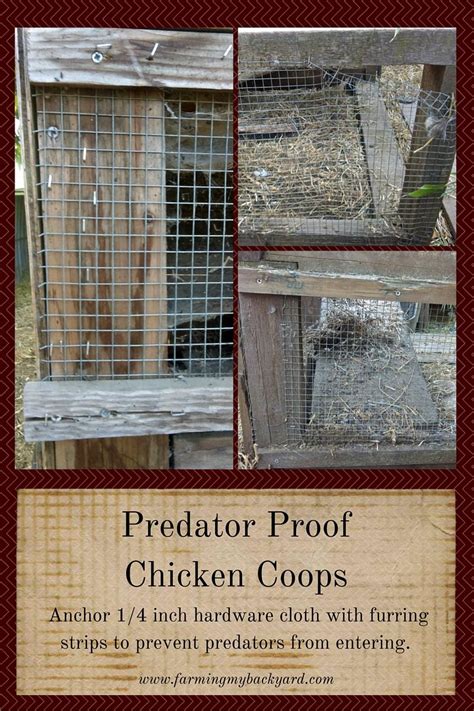
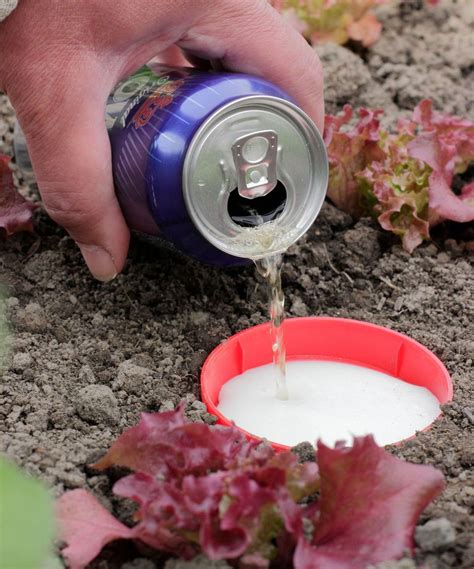
For larger pests, chicken wire or other fencing can deter rabbits, deer, and groundhogs. Slugs and snails can be controlled with beer traps or by creating barriers of diatomaceous earth around vulnerable plants. And of course, never underestimate the power of manual removal. Hand-picking larger pests like tomato hornworms or squash bugs, especially in the early morning or evening, can significantly reduce their population.

Harnessing Nature’s Allies: Beneficial Insects
Your garden isn’t just a place for vegetables; it’s a miniature ecosystem. By encouraging beneficial insects, you invite nature’s own pest control squad. Ladybugs, lacewings, parasitic wasps, and hoverflies are all voracious predators of common garden pests like aphids, mites, and scale insects. You can attract these helpful insects by planting a variety of flowers rich in pollen and nectar, such as cosmos, sunflowers, zinnias, and various herbs. Providing a water source and small sheltered areas can also make your garden more welcoming to these allies.

DIY Organic Sprays and Repellents
When pest populations get out of hand, or for targeted intervention, organic sprays can offer a gentle yet effective solution. Neem oil, derived from the neem tree, is a popular choice for its insecticidal and fungicidal properties; it disrupts pest feeding and reproduction. Horticultural oils and insecticidal soaps work by smothering soft-bodied insects. Always follow label instructions carefully.
Homemade remedies can also be effective. A simple garlic spray (minced garlic steeped in water, strained, and mixed with a little mild soap) can deter a wide range of pests. Chili pepper sprays can also repel chewing insects, but use them sparingly and with caution, as they can irritate beneficial insects too.
Conclusion: A Harmonious Garden Ecosystem
Organic pest deterrence is an ongoing process that involves observation, patience, and a willingness to work with nature. By focusing on soil health, strategic planting, physical barriers, encouraging beneficial insects, and judicious use of organic sprays, you can create a vibrant, productive garden that keeps common pests at bay without relying on synthetic chemicals. Embrace these sustainable practices, and enjoy the bounty of your pest-free, homegrown vegetables.