




Easy methods to preserve autumn harvest vegetables simply?

Embracing the Autumn Bounty: Why Preserve?
As the vibrant colors of autumn sweep across the landscape, so too does the season’s abundant harvest. Gardens and local farms overflow with a rich variety of vegetables – squashes, root crops, greens, and more. While enjoying fresh produce is a delight, preserving this bounty ensures that the flavors and nutrients of autumn can be savored long after the season has passed. Learning simple preservation techniques not only reduces food waste but also provides a sustainable way to stock your pantry with healthy, homegrown goodness.
Simple & Effective Preservation Techniques
1. Freezing: The Quick & Easy Option
Freezing is perhaps the most straightforward method for preserving many autumn vegetables. It’s an excellent choice for items like green beans, corn, peas, and even some pureed squashes. The key to successful freezing is blanching – briefly scalding vegetables in boiling water, then plunging them into ice water to stop the cooking process. This helps retain color, flavor, and texture by deactivating enzymes that cause spoilage. After blanching, dry the vegetables thoroughly, package them in airtight containers or freezer bags, and store them at 0°F (-18°C) or colder.
2. Canning: Sealing in Freshness
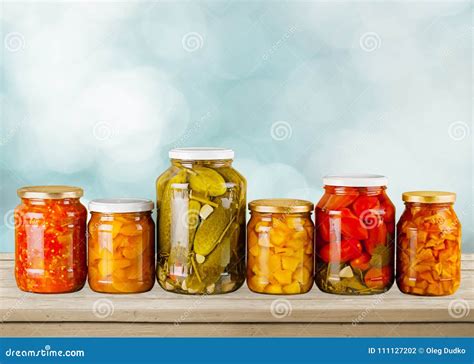
Canning involves sealing food in airtight jars and heating them to destroy microorganisms and create a vacuum seal. There are two primary canning methods:
- Water Bath Canning: Ideal for high-acid foods like pickled beets, tomatoes (often acidified with lemon juice), and fruit preserves. Jars are submerged in boiling water for a specified time.
- Pressure Canning: Essential for low-acid vegetables such as green beans, carrots, corn, and potatoes. A pressure canner heats the contents to much higher temperatures than boiling water, effectively killing harmful bacteria like Clostridium botulinum. This method requires careful adherence to tested recipes and safety guidelines.
3. Drying & Dehydrating: Concentrated Flavor
Drying removes moisture from food, inhibiting microbial growth and enzymatic activity. This method concentrates flavors and nutrients, making dried vegetables excellent for soups, stews, and snacks. Vegetables like carrots, celery, corn, peas, and leafy greens (kale, spinach) can be dried using a food dehydrator, a low-temperature oven, or even air-dried in very dry climates. Ensure vegetables are sliced thinly and evenly for consistent drying.
4. Root Cellaring & Cool Storage: Nature’s Refrigerator
For many root vegetables and hardy crops, a simple cool, dark, and humid environment can keep them fresh for months. Think of traditional root cellars, cool basements, or unheated garages. Vegetables like potatoes, carrots, beets, parsnips, onions, garlic, and winter squash thrive in these conditions. Potatoes and apples should be stored separately, as apples release ethylene gas which can cause potatoes to sprout prematurely. Proper ventilation and protection from rodents are crucial for successful cool storage.
5. Fermentation: Probiotic Powerhouses
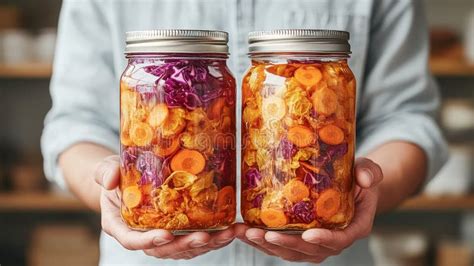
Fermentation is an ancient preservation method that uses beneficial bacteria to transform vegetables, creating unique flavors and adding probiotic benefits. Popular fermented vegetables include sauerkraut (cabbage), kimchi (cabbage and other vegetables), and lacto-fermented pickles. This method typically involves submerging vegetables in a salt brine, allowing natural lactic acid bacteria to convert sugars into lactic acid, which preserves the food and adds a tangy zest. It’s a fantastic way to create nutrient-dense condiments and side dishes.
General Tips for Successful Preservation
- Start with Fresh Produce: Always use high-quality, unblemished vegetables picked at their peak ripeness for the best results.
- Cleanliness is Key: Thoroughly wash vegetables and sanitize all equipment, jars, and utensils to prevent contamination.
- Follow Tested Recipes: Especially for canning and fermentation, rely on reputable sources for tested recipes to ensure safety and quality.
- Label and Date: Clearly label all preserved items with the contents and the date of preservation.
- Store Properly: Keep preserved foods in a cool, dark place (pantry, cellar) away from direct sunlight and temperature fluctuations.
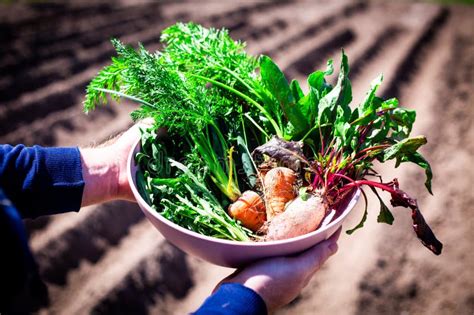
Enjoying Your Year-Round Harvest
Preserving your autumn harvest is a rewarding endeavor that connects you more deeply with your food and the rhythms of nature. Whether you choose to freeze, can, dry, cellar, or ferment, each method offers a unique way to capture the essence of the season. By dedicating a little time and effort now, you can enjoy the delicious flavors and wholesome goodness of your autumn vegetables throughout the year, bringing a taste of country living to every meal.