


Best DIY raised bed design for beginner gardeners & pest control?

Why Raised Beds Are a Beginner Gardener’s Best Friend
For those just starting their gardening journey, raised beds offer an array of advantages that make the experience much more manageable and rewarding. They provide excellent drainage, allow for customized soil mixes perfect for specific plants, and can significantly reduce weeding and soil compaction. Moreover, the elevated structure can ease physical strain, making gardening accessible for more people. Building your own raised bed is a satisfying DIY project that gives you complete control over your garden’s aesthetic and functionality.

Simple & Effective Raised Bed Designs for Beginners
The ‘best’ design often comes down to simplicity, affordability, and adaptability for future pest control measures. Here are a few beginner-friendly options:
-
Basic Rectangle (Lumber Stacking)
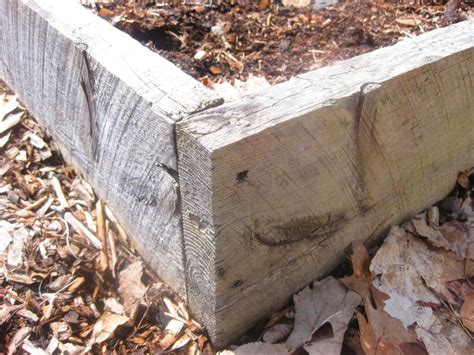
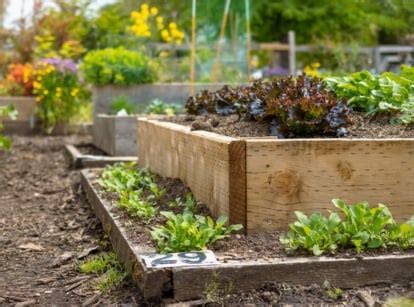
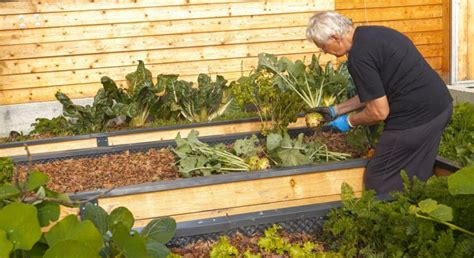
This is the most common and easiest design. Using untreated lumber (like cedar or redwood for durability) or composite decking, you can create a simple rectangular box. Common dimensions are 4×8 feet or 4×4 feet, making the center easily reachable from all sides without stepping into the bed. A height of 10-12 inches is good for most vegetables, but 18-24 inches offers deeper root growth and less bending.
-
Container Conversion Beds
For an even simpler start, repurpose large containers like livestock troughs, whisky barrels, or sturdy plastic bins. Ensure they have drainage holes. While smaller, these offer instant raised beds without much construction.
-
L-Shaped or U-Shaped Beds
If you have more space, an L-shape or U-shape can maximize planting area while maintaining easy access to all sections. These are essentially combinations of rectangular beds arranged to create a more open design, perfect for corner spaces or wrapping around a patio.
Key Design Features for Optimal Growth
- Width: Keep beds no wider than 4 feet. This allows you to reach the center from either side without stepping on the soil, preserving its structure and aeration.
- Height: As mentioned, 10-12 inches is good, but 18-24 inches provides ample depth for root vegetables and greatly reduces bending.
- Materials: Untreated cedar, redwood, or Douglas fir are excellent wood choices due to their natural rot resistance. Composite lumber is also a good, long-lasting option. Avoid treated lumber as it can leach chemicals into your soil.
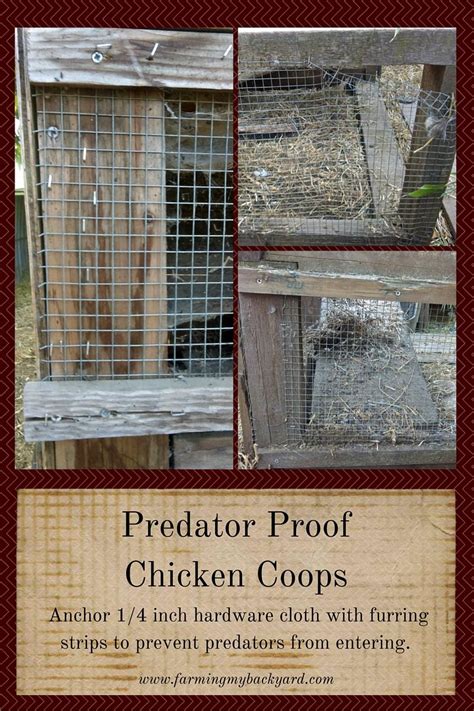
- Bottom Layer: Line the bottom with hardware cloth if gophers or voles are an issue. Add a layer of cardboard over the soil to suppress weeds from below and enrich the soil as it breaks down. Then, fill with a high-quality raised bed soil mix, not just garden soil.
Integrated Pest Control Strategies from the Start
Incorporating pest control into your raised bed design is crucial for a healthy garden. A well-designed raised bed can be a fortress against common garden nuisances.
-
Physical Barriers
- Hardware Cloth Base: As mentioned, this is your first line of defense against burrowing pests like gophers and voles. Secure it firmly to the bottom frame.
- Netting/Row Covers: Design your raised bed to easily accommodate hoops for netting or row covers. You can attach PVC pipe sections to the inside corners of your bed, then slide flexible PVC or metal hoops into them. This protects against birds, cabbage worms, and squash bugs while allowing light and water through.
- Copper Tape: For slugs and snails, apply copper tape around the top perimeter of your wooden raised bed. The copper reacts with their slime, creating an unpleasant sensation that deters them.
-
Companion Planting
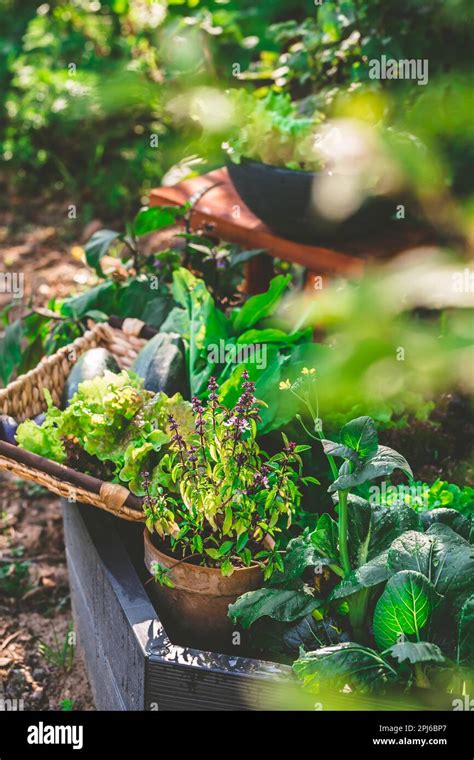
Plan your planting layout to include beneficial companions. Marigolds deter nematodes and other pests, nasturtiums can act as a trap crop for aphids, and herbs like basil can repel flies and mosquitoes. Strong-smelling plants can confuse pests searching for their target crops.
-
Healthy Soil, Healthy Plants
A rich, well-draining soil mix in your raised bed promotes strong, vigorous plants that are naturally more resistant to pests and diseases. Healthy plants can often outgrow minor pest damage.
-
Watering & Airflow
Use drip irrigation or water at the base of plants in the morning to keep foliage dry, reducing fungal diseases. Adequate spacing between plants (easier in a defined raised bed) improves airflow, further preventing disease outbreaks.
Building Your Raised Bed: A Quick Guide
Once you’ve settled on a design, the construction process is straightforward:
- Measure & Cut: Cut your chosen lumber or material to the desired lengths for the sides and ends of your bed.
- Assemble the Frame: Using corner brackets, screws, or bolts, secure the pieces together to form your rectangular or L-shaped frame. Ensure it’s square and sturdy.
- Prepare the Site: Choose a sunny location (at least 6-8 hours of direct sun for most vegetables). Level the ground where the bed will sit.
- Add Barriers: Lay down hardware cloth if needed, followed by a layer of cardboard.
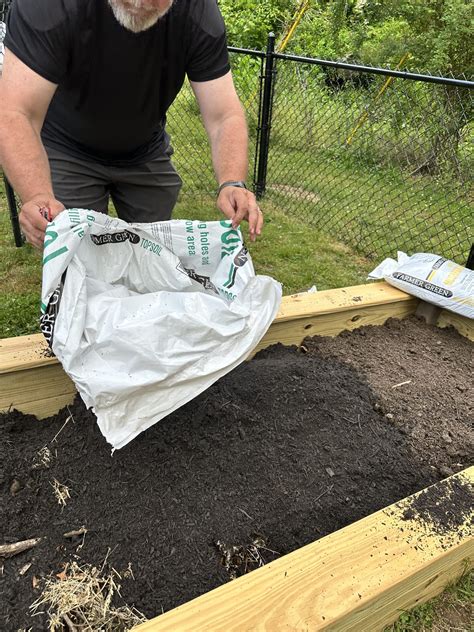
- Fill with Soil: Fill your raised bed with a high-quality blend of compost, topsoil, and other amendments. For deep beds, you can use a base of logs or branches to reduce the amount of expensive soil needed, but ensure they don’t decompose too quickly and create sinking.
Conclusion: Your Thriving Beginner Garden Awaits!
Starting with a well-designed DIY raised bed sets you up for success, making gardening less daunting and more enjoyable. By choosing a simple, robust design and integrating basic pest control strategies from the outset, you’ll create a productive and beautiful garden space that will flourish for years to come. Happy building, and happy growing!