



How to find & cook real local food during country travel, even with limited facilities?

Embrace the Authentic Flavors of Countryside Travel
There’s an undeniable magic in exploring the world beyond bustling cities, a charm that deepens when you connect with the local culture through its food. But how do you savor authentic regional cuisine when you’re far from restaurants, relying on limited facilities in a rural guesthouse, campsite, or even a rented room?
This guide will equip you with the knowledge and practical tips to not just find, but also confidently cook real local food during your country travels, turning mealtime into an integral part of your adventure.

Sourcing Your Culinary Treasures: Where to Find Local Ingredients
The first step to a genuine local meal is finding the right ingredients. Forget supermarkets; think community.
Farmer’s Markets and Roadside Stalls
These are your goldmines. Vibrant, bustling, and often family-run, farmer’s markets offer direct access to seasonal produce, artisanal cheeses, homemade jams, and freshly baked goods. Engage with vendors – they often have the best tips on preparation and other local sources. Look for makeshift stalls by the road, especially in agricultural areas, selling fresh fruit, vegetables, or even honey directly from the farm.
Local Butchers and Fishermen
If you’re looking for protein, seek out small, independent butchers and fishmongers. Their stock is usually fresher and more reflective of the regional diet than what you’d find in a general store. Don’t hesitate to ask about specific cuts or local fish varieties.
Ask the Locals
The simplest and often most rewarding method. Strike up conversations with guesthouse owners, café staff, or even fellow travelers. Locals are usually thrilled to share their knowledge of where to find the best produce, the tastiest bread, or a hidden gem of a food stall.
Essential Gear for Limited-Facility Cooking
You don’t need a gourmet kitchen to create memorable meals. A minimalist approach is key.
Portable Cooking Setup
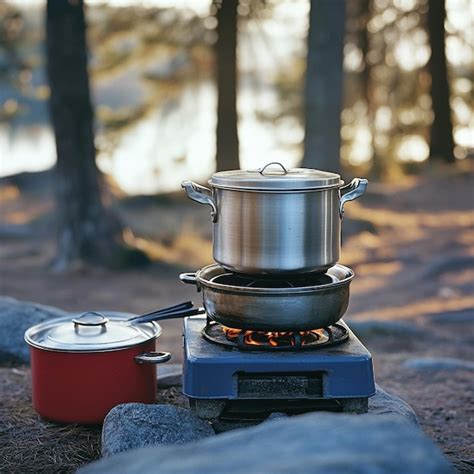
A compact, single-burner camping stove (fueled by gas canisters) is a game-changer. Pair it with one versatile pot or pan, suitable for boiling, frying, and sautéing. A small, sharp utility knife, a cutting board (a sturdy plate can double), and a heat-resistant spatula are invaluable.
Storage and Utensils
An insulated cooler bag or a good quality soft-sided cooler is crucial for keeping perishables fresh, especially when traveling between towns. Bring a few reusable containers and ziplock bags for leftovers or packed lunches. Don’t forget basic eating utensils, a sturdy mug, and a plate or bowl.
Cleaning Supplies
A small bottle of biodegradable dish soap, a scrub brush or sponge, and a dishcloth will keep your gear clean and hygienic, especially where water sources might be limited.
Mastering Simple Recipes and Techniques
With limited tools, simplicity is your friend. Focus on recipes that highlight the freshness of your ingredients.
One-Pot Wonders
Soups, stews, and pasta dishes are perfect for a single pot. Think about hearty vegetable and bean stews using local produce, or a simple pasta dish tossed with fresh herbs, garlic, local cheese, and a drizzle of quality olive oil. Eggs are another versatile ingredient for quick scrambles or omelets.
Grilling and Campfire Cooking
If you have access to a safe fire pit or a portable grill, this opens up a world of possibilities. Skewer local vegetables and meats, or wrap fish and potatoes in foil for delicious, smoky flavors. Always check local regulations regarding open fires.
No-Cook Delights
Don’t underestimate the power of assembly. Fresh bread, local cheese, cured meats, fruits, and vegetables make for incredible platters that require no cooking at all. Add a local spread or dip, and you have a gourmet picnic.
Hygiene and Food Safety on the Go
When cooking in unconventional settings, hygiene is paramount to prevent illness.
Water Purity
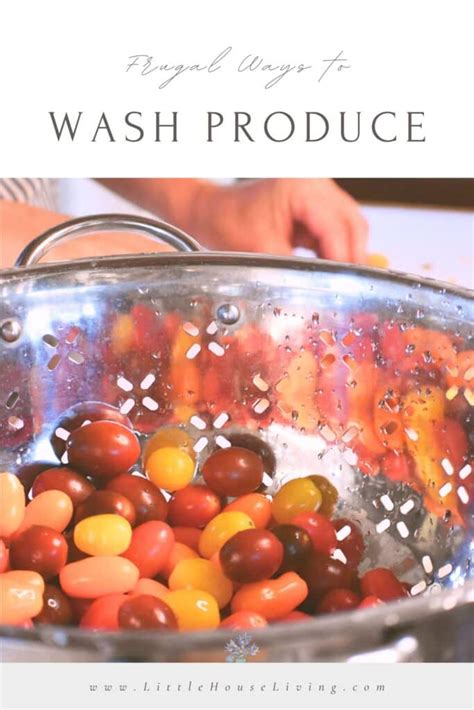
Always use purified or bottled water for cooking and washing produce, especially if you’re unsure of the local tap water quality. A portable water filter can be a wise investment.
Proper Storage
Keep perishable items chilled. Pack a limited amount of fresh food that you can consume quickly. If refrigeration isn’t available, prioritize non-perishable options.
Wash Hands and Produce
Always wash your hands thoroughly before and after handling food. Scrub all fruits and vegetables under clean water, even if you plan to peel them.

Embrace the Culinary Adventure
Cooking in the countryside, away from your usual conveniences, is more than just making a meal; it’s an immersive cultural experience. It teaches resourcefulness, encourages interaction with locals, and creates unique memories.
Be flexible, experiment with unfamiliar ingredients, and don’t be afraid to make mistakes. The joy comes not just from the delicious food you create, but from the journey of discovery, one ingredient and one simple dish at a time. So pack your bags, a trusty knife, and an open mind – your next authentic culinary adventure awaits!