

What are essential canning tips for preserving garden harvest safely?
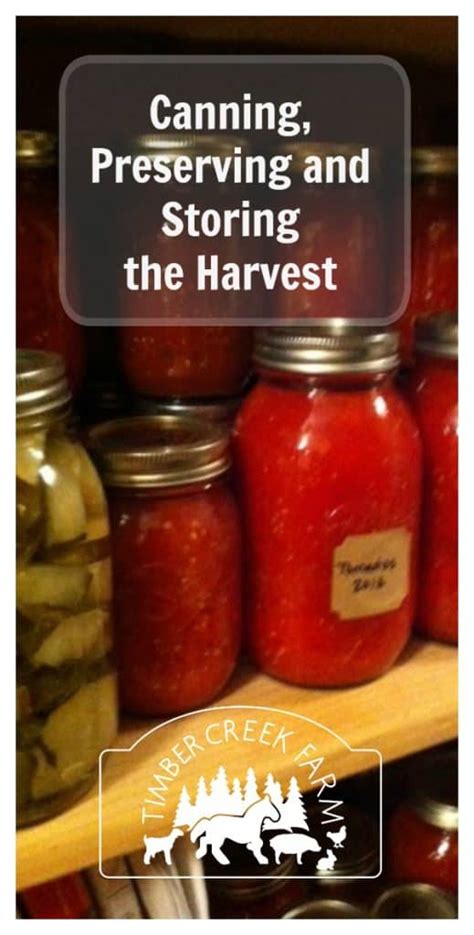
Mastering Safe Home Canning for Your Bountiful Harvest
As your garden yields a delightful abundance, canning offers a fantastic way to extend its bounty, allowing you to enjoy fresh flavors long after the growing season ends. However, successful and safe home canning isn’t just about sealing food in jars; it requires meticulous attention to detail, proper techniques, and a deep understanding of food safety principles. Deviating from tested methods can lead to spoilage or, worse, foodborne illnesses. By adhering to essential guidelines, you can confidently preserve your harvest for year-round enjoyment.
1. Prioritize Cleanliness and Proper Equipment
Sanitation is the bedrock of safe canning. Any shortcuts here can compromise your entire batch.
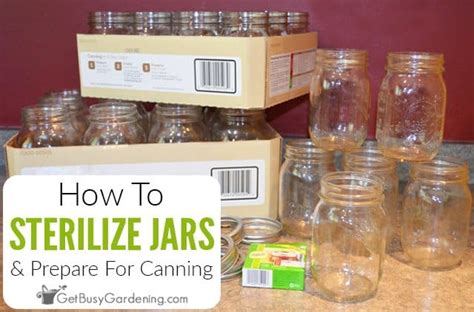
- Sterilize Jars and Lids: Always use canning-specific glass jars free of cracks or chips. New lids must be used for each canning session, though bands (rings) can be reused if they aren’t rusty or dented. Jars should be washed in hot, soapy water and then kept hot until filling. While modern canning methods often rely on adequate processing time for sterilization, keeping jars hot minimizes thermal shock.
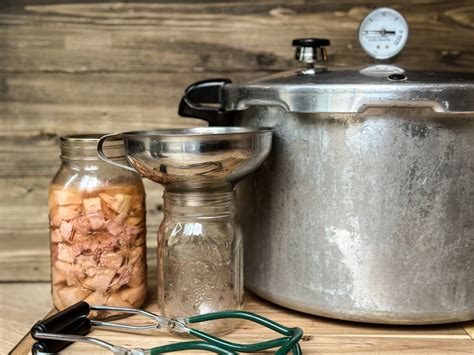
- Essential Tools: Invest in a jar lifter, canning funnel, headspace ruler, and a bubble remover. These tools ensure efficiency and accuracy.
- Choose the Right Canner: The type of food you’re preserving dictates the canner you’ll need.
- Water Bath Canner: Used for high-acid foods like fruits, jams, jellies, pickles, and tomatoes (with added acid). It processes jars in boiling water.
- Pressure Canner: Essential for low-acid foods such as most vegetables, meats, poultry, and seafood. It reaches temperatures higher than boiling water, critical for destroying harmful bacteria like Clostridium botulinum.
2. Understand Food Acidity and Processing Methods
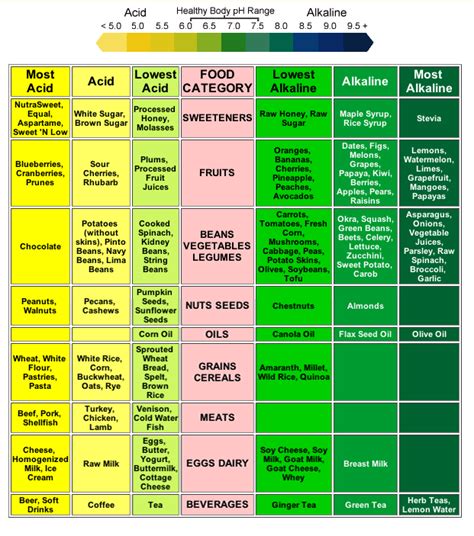
This is arguably the most critical safety principle in canning. The acidity (pH level) of food determines which canning method is safe.
- High-Acid Foods (pH 4.6 or lower): These foods, which include most fruits, fruit juices, jams, jellies, vinegared pickles, and tomatoes (often needing added acid like lemon juice or citric acid), can be safely processed in a boiling water bath canner. The high acid content, combined with the heat of the water bath, prevents the growth of spoilage microorganisms and harmful bacteria.
- Low-Acid Foods (pH above 4.6): This category includes nearly all vegetables (peas, corn, green beans), meats, poultry, fish, and mixed soups. These foods must be processed in a pressure canner. A water bath canner will not reach temperatures high enough to destroy the spores of Clostridium botulinum, which thrive in low-acid, oxygen-free environments and produce a deadly toxin.
3. Always Follow Tested Recipes Precisely
Canning recipes are scientifically developed and tested to ensure safety. There is no room for improvisation.
- Source Reputable Recipes: Rely on current recipes from trusted sources like the USDA National Center for Home Food Preservation (NCHFP), Cooperative Extension Services of land-grant universities, or reputable canning book authors.
- No Shortcuts: Do not reduce processing times, alter ingredients, or substitute jar sizes unless the recipe specifically allows for it. These changes can affect the food’s acidity, density, and heat penetration, compromising safety.
- Adjust for Altitude: If you live at an altitude above 1,000 feet, you must adjust processing times or pressure to compensate for lower boiling points. Consult your recipe source for specific altitude adjustments.
4. Proper Jar Packing and Processing
Even with the right ingredients and equipment, incorrect packing can lead to spoilage.
- Leave Adequate Headspace: This is the empty space between the food and the jar lid. The correct headspace (usually 1/4 to 1/2 inch, specified in the recipe) is crucial for a strong vacuum seal and allows for food expansion during processing. Too little headspace can cause food to boil out, while too much can prevent a proper seal.
- Remove Air Bubbles: After filling jars, use a non-metallic utensil (like a plastic spatula) to run around the inside of the jar, releasing any trapped air bubbles.
- Wipe Jar Rims Clean: Food residue on the rim can prevent the lid from sealing properly. Wipe rims with a clean, damp cloth before placing lids.
- Process Correctly: Follow the recipe’s specified processing time and temperature (for water bath) or pressure (for pressure canning) precisely. Start timing only when the canner reaches the correct temperature/pressure.
5. Cooling, Sealing, and Safe Storage
The final steps are crucial for ensuring a lasting and safe seal.
- Cooling: After processing, carefully remove jars from the canner and place them on a towel or cooling rack in a draft-free area, leaving space between jars. Allow them to cool undisturbed for 12-24 hours. You’ll hear the satisfying ping! as lids seal.
- Check Seals: After cooling, remove the screw bands. Press down on the center of each lid. If it doesn’t flex, it’s sealed. You can also lift the jar by the edge of the lid (if it holds, it’s sealed). Any unsealed jars must be reprocessed immediately (within 24 hours with new lids) or refrigerated and consumed within a few days.
- Label and Store: Label sealed jars with the contents and date. Store them in a cool, dark, dry place (50-70°F or 10-21°C) away from direct sunlight or freezing temperatures. A properly sealed and stored jar of home-canned food can last for at least a year.
- Before Opening: Always inspect jars before opening. Discard any jars with bulging lids, leaks, unusual odors, or signs of mold, even if sealed.

Conclusion
Canning your garden harvest is a rewarding skill that connects you more deeply with your food. By committing to strict adherence to tested recipes, maintaining impeccable sanitation, understanding the science behind food acidity, and using the correct equipment, you can ensure that every jar you open is not only bursting with flavor but also perfectly safe for you and your loved ones to enjoy.