


How to keep homemade food fresh longer during country road trips?
Country road trips offer an unparalleled sense of freedom and adventure. The open road, picturesque landscapes, and the joy of discovery are even better when you can savor delicious, homemade meals along the way. However, keeping those culinary delights fresh and safe for the entire journey can be a challenge. With a bit of planning and the right techniques, you can ensure your homemade provisions remain appetizing and wholesome, enhancing your road trip experience without relying on fast food.
The Essential Gear: Coolers, Ice Packs, and Containers
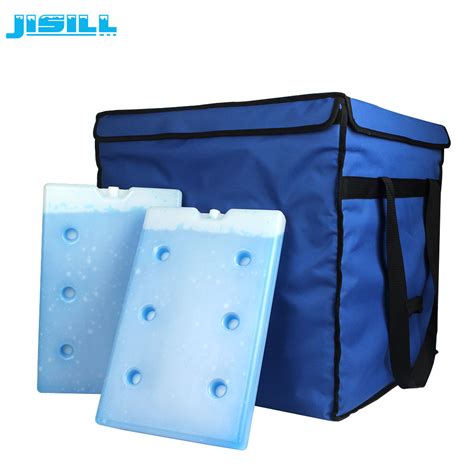
Your choice of equipment is paramount. A high-quality cooler with excellent insulation is your first line of defense against spoilage. Look for rotomolded coolers known for their durability and superior ice retention. For shorter trips, a well-insulated soft cooler might suffice. Beyond the cooler, reliable ice packs or frozen water bottles are crucial. They last longer than loose ice, prevent soggy food, and can even be consumed as water later. Invest in airtight, leak-proof containers for all your food items. Glass or high-quality plastic containers prevent cross-contamination and keep odors from mixing.
Smart Food Choices and Pre-Preparation Strategies
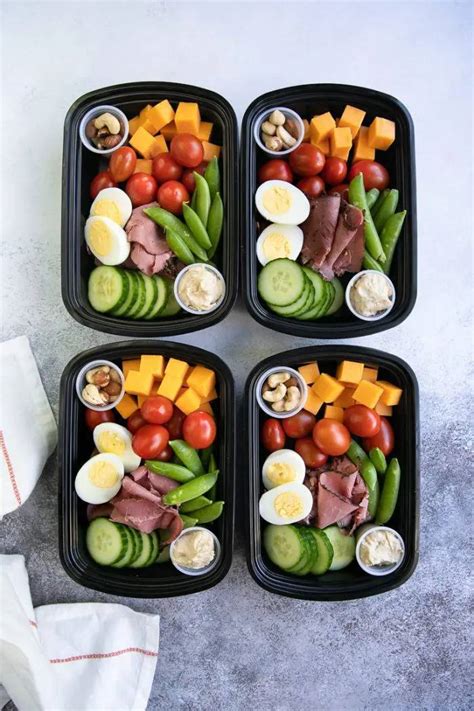
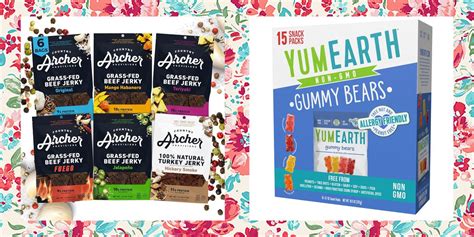
Not all foods are created equal when it comes to travel. Opt for items that are less prone to spoilage and can withstand temperature fluctuations. Hard-boiled eggs, sturdy fruits like apples and oranges, whole vegetables like carrots and bell peppers, and pre-cooked lean proteins are excellent choices. Sandwiches and wraps made with hearty bread or tortillas travel better than delicate salads. Avoid highly perishable items like raw meats, dairy products (unless in very secure containers with extreme refrigeration), and delicate leafy greens that wilt easily. Prepare as much as possible at home: wash and chop vegetables, portion out snacks, and assemble sandwiches to minimize handling on the road.
Mastering Cooler Packing for Maximum Freshness
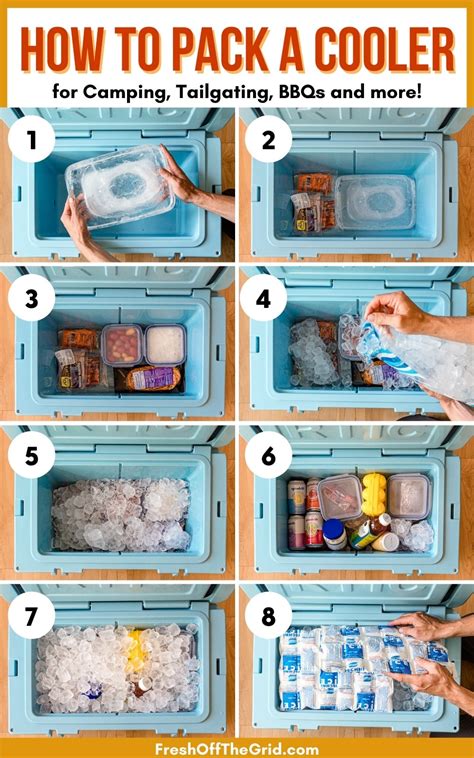
How you pack your cooler significantly impacts how long your food stays fresh. Start by pre-chilling your cooler overnight with ice or ice packs. Pack items in reverse order of need, with foods you’ll eat first on top. Place frozen water bottles or large ice packs at the bottom, then layer perishable items like cooked meats, cheeses, and dairy. Non-perishables like fruits and vegetables can go on top. Fill any empty spaces with more ice packs, crumpled newspaper, or towels to minimize air circulation, which helps maintain temperature. Use separate, clearly labeled containers to keep different food types organized and prevent leaks.
On-the-Road Management and Food Safety Protocols
Once you’re on the road, maintaining your food’s freshness requires active management. Keep your cooler out of direct sunlight whenever possible; inside the car, place it on the floor away from windows, or cover it with a blanket if it must be exposed. Minimize the number of times you open the cooler, as each opening allows warm air in. When you do open it, be quick and purposeful. Always practice good hygiene: wash your hands or use hand sanitizer before handling food. If you’re unsure about the freshness of an item, especially cooked meats or dairy, it’s safer to discard it than risk foodborne illness.
Creative Solutions and Bonus Tips for Extended Freshness
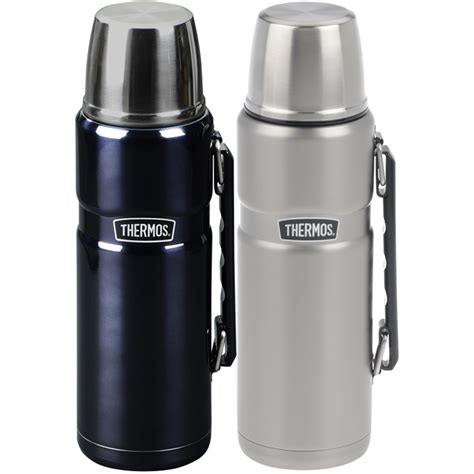
Consider bringing a separate, smaller insulated bag for snacks and drinks that you’ll access frequently. This keeps your main cooler colder for longer. A wide-mouth thermos can be excellent for keeping soups, stews, or even hot coffee warm for hours, or conversely, for keeping yogurt or fruit salads chilled. For multi-day trips, plan your meals to consume the most perishable items earlier in the journey. Replenish ice as needed from gas stations or grocery stores, remembering to drain excess water to prevent sogginess. Reusable beeswax wraps can also be a sustainable alternative for covering bowls or wrapping snacks, providing a breathable seal.
Embarking on a country road trip with a stash of homemade food adds a delightful dimension to your travel experience. By investing in the right gear, making smart food choices, employing effective packing strategies, and adhering to basic food safety, you can enjoy fresh, delicious meals throughout your journey. These practices not only enhance your enjoyment but also contribute to a healthier, more budget-friendly adventure on the open road. Happy travels and bon appétit!