


How to organically deter common garden pests from heirloom tomatoes without harsh chemicals?
Embracing Chemical-Free Protection for Your Heirloom Tomatoes
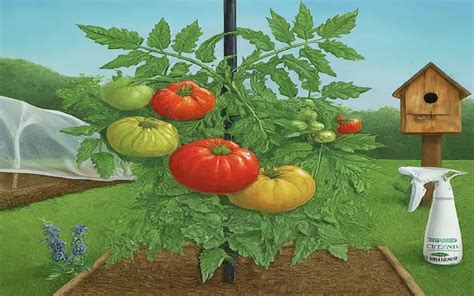
Growing heirloom tomatoes is a labor of love, offering unparalleled flavors and a connection to gardening heritage. However, this rewarding endeavor often comes with the challenge of warding off persistent garden pests. The good news is that you don’t need harsh chemicals to protect your precious plants. By understanding the pests and implementing organic strategies, you can maintain a vibrant, productive, and chemical-free heirloom tomato patch.
Understanding Your Adversaries: Common Heirloom Tomato Pests
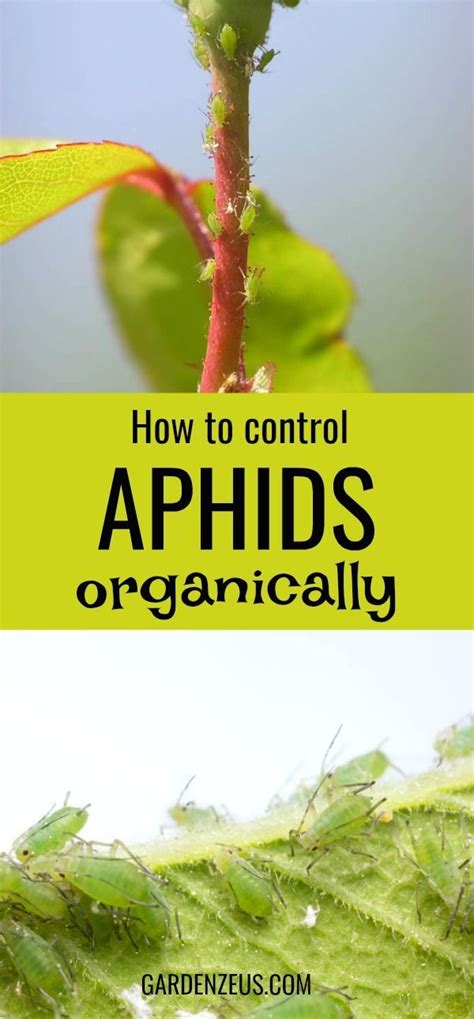
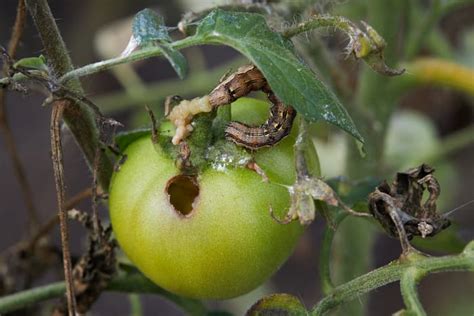
Before you can deter them, it helps to know who you’re up against. Common pests that target heirloom tomatoes include the dreaded tomato hornworm, tiny aphids, fast-spreading whiteflies, sap-sucking stink bugs, and slimy slugs. Each pest requires a slightly different approach, but many organic methods work synergistically to create a less hospitable environment for all.
Prevention is Key: Building a Resilient Garden Ecosystem
The best offense against pests is a strong defense built on prevention. A healthy garden ecosystem naturally discourages pest outbreaks.
Companion Planting: Nature’s Bodyguards
One of the oldest and most effective organic strategies is companion planting. Certain plants can repel pests, attract beneficial insects, or improve soil health, benefiting your tomatoes.
- Marigolds: French marigolds (Tagetes patula) are renowned for deterring nematodes and other soil-borne pests.
- Basil: Planted near tomatoes, basil is said to improve tomato flavor and repel flies and mosquitoes.
- Nasturtiums: These act as a trap crop, drawing aphids away from your tomatoes. They also help deter whiteflies.
- Borage: Attracts beneficial pollinators and predatory wasps, which prey on hornworms.
Encouraging Beneficial Insects
Welcome natural predators into your garden. Ladybugs, lacewings, parasitic wasps, and hoverflies are nature’s pest controllers, feasting on aphids, whiteflies, and hornworms. Plant nectar-rich flowers like dill, fennel, cilantro, and cosmos to attract them.

Active Organic Deterrence Strategies
When prevention isn’t enough, it’s time for active but gentle intervention.
Hand-Picking and Physical Barriers
For larger pests like tomato hornworms and slugs, good old-fashioned hand-picking is highly effective. Inspect your plants daily, especially the undersides of leaves, and drop any pests you find into a bucket of soapy water. For slugs, shallow dishes of beer sunk into the soil can lure them away. Row covers can provide a physical barrier against flying insects during critical growth stages, but remember to remove them for pollination if you’re growing determinate varieties or once plants are flowering.
Homemade & Natural Sprays
When infestations start to take hold, a few natural sprays can help knock back pest populations without harming the environment or your produce.
- Neem Oil: Derived from the neem tree, this natural insecticide disrupts the life cycle of many pests (aphids, whiteflies, spider mites) without harming beneficial insects if applied correctly. Always follow label directions and apply in the evening to avoid harming pollinators.
- Insecticidal Soap: A simple solution of mild liquid soap and water can suffocate soft-bodied insects. Ensure it’s a true insecticidal soap or a very mild, additive-free dish soap (not detergent).
- Garlic or Chili Spray: A homemade concoction of crushed garlic or chili peppers steeped in water can create a repellent spray. Strain the mixture and dilute before spraying on affected plants.

Good Garden Hygiene and Crop Rotation
Maintain a tidy garden by removing weeds and plant debris, which can harbor pests and diseases. At the end of the season, clean up thoroughly. Crop rotation is also crucial; avoid planting tomatoes (or other members of the nightshade family) in the same spot year after year to break pest life cycles and prevent soil-borne diseases.
Ongoing Vigilance and Observation
The key to successful organic pest control is constant vigilance. Spend time in your garden daily, observing your plants closely. Early detection of pests allows for quick intervention, preventing small problems from becoming overwhelming infestations. Look for chewed leaves, sticky residues (honeydew from aphids/whiteflies), or unusual discoloration.

Enjoying Your Chemical-Free Harvest
Protecting your heirloom tomatoes organically requires a little patience and consistent effort, but the rewards are well worth it. You’ll not only enjoy a bountiful harvest of delicious, chemical-free tomatoes but also contribute to a healthier environment and a more vibrant garden ecosystem. Embrace these natural methods, and watch your heirloom tomatoes thrive, just as nature intended.