


What’s the best way to convert a family heritage recipe for modern country living?

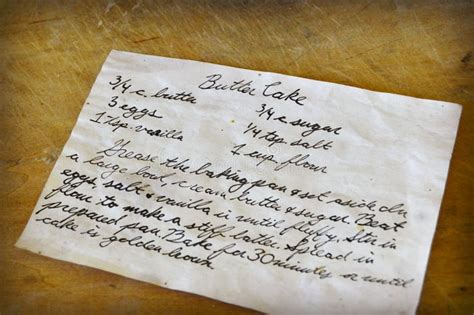
Family heritage recipes are more than just instructions; they are edible heirlooms, carrying stories, traditions, and the flavors of generations past. For those embracing modern country living, the desire to integrate these cherished dishes into a contemporary lifestyle is strong. However, adapting a recipe born in a different era – perhaps with open hearths, seasonal abundances, and different ingredient availabilities – requires a thoughtful approach. The goal isn’t to erase history, but to honor it by making these culinary treasures accessible and delicious for today’s tables.
Deciphering the Original: Understanding Your Culinary Heritage
Before you can convert a recipe, you must first understand its essence. Dig into the specifics: What kind of ingredients were common at the time the recipe was created? Were measurements precise, or did they rely on instinct (“a pinch of this,” “enough flour”)? Consider the original cooking methods – cast iron over a fire, a slow wood-fired oven, or simple hand-mixing. Understanding these foundational elements will guide your modernization efforts, helping you identify what must be preserved and what can be thoughtfully updated.
Embracing Modern Country Living: The Context of Today
Modern country living often means a blend of rustic charm and contemporary convenience. It might involve gardening, raising animals, or sourcing from local farms, but also leveraging modern appliances and being mindful of nutritional information. When adapting a heritage recipe, think about:
- Ingredient Availability: Are traditional ingredients still easily found, or do you need to seek out local, seasonal, or alternative options?
- Time Constraints: Many old recipes were day-long affairs. Can techniques be streamlined without sacrificing flavor?
- Equipment: Do you have the modern equivalents of original tools, or can you creatively adapt?
- Dietary Considerations: Are there family members with allergies, sensitivities, or preferences (e.g., gluten-free, lower sugar, vegetarian alternatives)?
Key Strategies for Recipe Conversion
1. Thoughtful Ingredient Substitutions
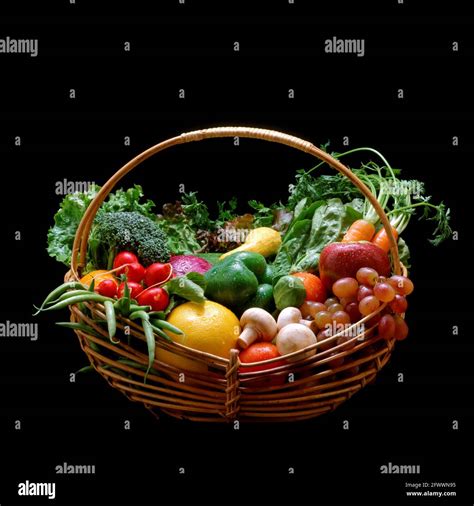
This is often the first step. If a recipe calls for lard, consider butter, olive oil, or even a blend, depending on the desired outcome. Replace refined sugars with natural sweeteners like maple syrup or honey, or reduce the overall sugar content. Swap out hard-to-find ingredients with locally sourced produce that offers a similar flavor profile or texture. For instance, if an old recipe uses a specific heirloom vegetable no longer cultivated, research a close modern relative.
2. Adapting Cooking Methods and Equipment
A recipe designed for a wood stove needs adjustment for a conventional oven. Frying in a cast-iron skillet over an open flame differs from using an induction stovetop. Modern appliances like slow cookers, stand mixers, or food processors can often replicate the results of traditional methods with significantly less manual labor. Focus on achieving the same texture and doneness that the original method provided, rather than strictly adhering to outdated instructions.
3. Scaling and Portion Adjustments
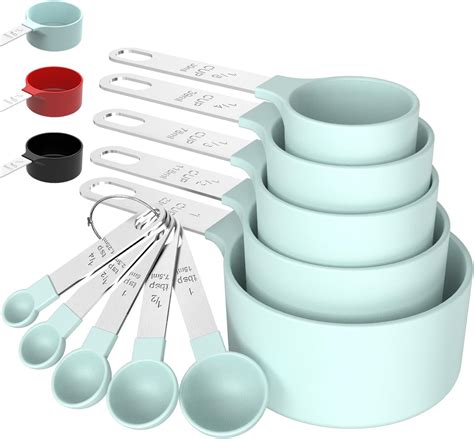
Many heritage recipes fed large families or groups of farmhands. Modern households might be smaller. Learning to scale a recipe down (or occasionally up) is crucial. Be particularly careful with leavening agents, spices, and liquids, as these often don’t scale linearly. It’s often better to reduce in increments and taste as you go.
4. Incorporating Modern Dietary Needs
Gluten-free flour blends, dairy-free milk, or plant-based protein alternatives can transform a heritage recipe to suit contemporary diets without losing its essence. Experimentation is key here; a 1:1 swap isn’t always effective. For instance, when converting to gluten-free, you might need to adjust liquid content or add binders.
Preserving the Spirit and Story
While ingredients and methods may change, the heart of the heritage recipe – its flavor profile, its role in family gatherings, and the stories it tells – should remain. Document your changes alongside the original. Note down what worked, what didn’t, and why. Share the story of the recipe with those you cook for, explaining its origins and how you’ve adapted it for modern times. This adds a layer of depth and meaning, connecting past and present.
Test, Taste, and Document
Conversion is an iterative process. Don’t expect perfection on the first try. Test your adapted recipe, taste critically, and be prepared to make adjustments. Keep a culinary journal to document your experiments, successes, and failures. Over time, you’ll refine your method, creating a new, cherished version of the family classic.
Conclusion
Converting a family heritage recipe for modern country living is a rewarding journey that bridges generations. It allows you to keep precious culinary traditions alive, adapting them to suit today’s world while preserving their soul. By thoughtfully considering ingredients, methods, and dietary needs, you can transform these edible legacies into new favorites that will continue to nourish and delight for years to come, truly making them your own.