



How to get kids involved in real food prep & country living chores?
Cultivating Responsibility and Connection in Young Hearts
In an increasingly digital world, the simple acts of preparing food from scratch and contributing to the upkeep of a home and land offer children invaluable lessons. For families embracing country living, or simply aspiring to connect with the origins of their sustenance, involving kids in these tangible processes is more than just delegating tasks; it’s about nurturing independence, responsibility, and a profound appreciation for hard work and the natural world.

The Benefits of Early Involvement
Bringing children into the kitchen and alongside you for outdoor chores provides a rich educational environment. They learn practical life skills – from measuring ingredients and knife safety to planting seeds and caring for animals. Beyond the tangible skills, involvement fosters a deeper understanding of where food comes from, reducing waste and promoting healthier eating habits. It also builds confidence, problem-solving abilities, and a strong work ethic. Moreover, these shared experiences create lasting family memories and reinforce teamwork.
Getting Started with Real Food Prep
Making real food preparation a family affair can be fun and rewarding. Start with age-appropriate tasks and gradually increase complexity:
- Toddlers (2-4 years): Washing fruits and vegetables, stirring ingredients, tearing lettuce, mashing soft foods (like bananas or avocados).
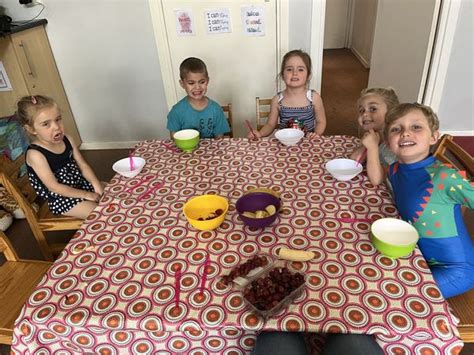
- Preschoolers (4-6 years): Measuring dry ingredients, setting the table, kneading dough, spreading butter/jam, using cookie cutters.
- Elementary Age (6-10 years): Peeling vegetables, cracking eggs, simple chopping with child-safe knives, following simple recipes, baking.
- Pre-teens & Teens (10+ years): Meal planning, full recipe execution, using kitchen appliances safely, grilling, preserving food (canning, freezing).
Emphasize safety, patience, and making it an enjoyable process. Let them taste-test, experiment, and even make mistakes – it’s all part of learning!

Embracing Country Living Chores
Country living offers a wealth of opportunities for kids to get their hands dirty and connect with the land. These chores teach about ecosystems, animal care, and the satisfaction of contributing to a self-sufficient lifestyle.
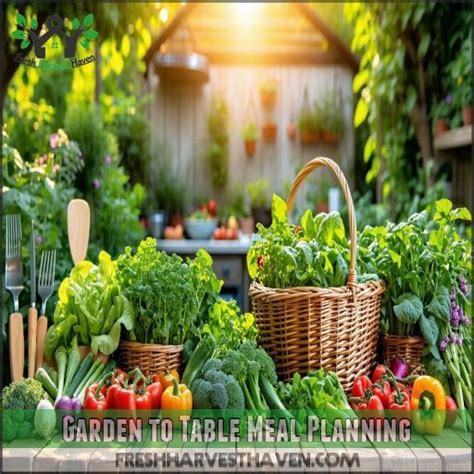
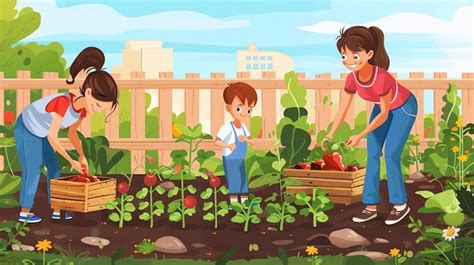
- Gardening: Planting seeds, watering plants, weeding, harvesting vegetables and fruits. They learn about cycles of growth and the importance of nature.
- Animal Care: Feeding chickens, collecting eggs, brushing pets, cleaning coops or pens (with supervision). This teaches empathy and responsibility for living creatures.
- Property Maintenance: Raking leaves, sweeping patios, helping split firewood (for older kids), gathering sticks, composting. These tasks build strength and an understanding of maintaining their environment.
- Food Preservation: Assisting with canning jams, freezing produce, drying herbs. This closes the loop on food production and teaches valuable homesteading skills.

Tips for Success and Sustained Engagement
Keeping kids engaged long-term requires a thoughtful approach. Here are some strategies:
- Make it Fun: Turn chores into games, sing songs, or tell stories. Reward effort with praise, not just material gifts.
- Be Patient: It will take longer with kids, and there might be messes. Focus on the learning process, not just the perfect outcome.
- Lead by Example: Children learn best by observing. Show them your own enthusiasm and dedication.
- Offer Choices: Give them a sense of autonomy by letting them choose between a couple of tasks.
- Explain the ‘Why’: Help them understand the purpose behind each chore. Why do we weed? Why do we feed the animals at a certain time?
- Celebrate Achievements: Acknowledge their contributions and celebrate milestones, no matter how small.
- Age-Appropriate Tools: Provide tools designed for children (small gardening tools, child-safe knives) to ensure safety and comfort.
The Long-Term Impact
Involving children in food prep and country living chores is an investment in their future. It equips them with essential life skills, fosters a healthy relationship with food and nature, and instills a deep sense of belonging and contribution to the family unit and beyond. These are the foundations of resilient, responsible, and resourceful individuals ready to thrive in any environment.