



What’s the secret to perfectly fluffy biscuits from scratch every time?

The Quest for Unrivaled Fluffiness
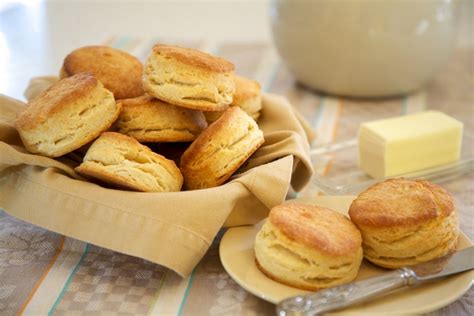
There’s nothing quite like a warm, tender, and impossibly fluffy biscuit, fresh from the oven. For many home bakers, reaching this ideal can feel like a culinary Everest. The good news? The secret isn’t an arcane spell or a grandmother’s guarded recipe (though those certainly help!). It boils down to a few fundamental techniques that, when mastered, guarantee a batch of light-as-air biscuits every single time.
The Cornerstone: Ice-Cold Ingredients
The number one rule for fluffy biscuits begins before you even mix. Your butter (or other solid fat) and liquid (milk or buttermilk) must be as cold as possible. Chilled butter creates pockets of steam in the hot oven, which are essential for that characteristic flaky, layered texture. If the butter is too warm, it melts into the flour too quickly, resulting in dense, cake-like biscuits rather than light, airy ones.
Many experienced bakers even go so far as to freeze their butter and grate it into the flour, or keep their buttermilk in the freezer for 15-20 minutes before using. This extreme coldness ensures the butter remains distinct little pieces throughout the mixing process, ready to create steam and lift during baking.
The Gentle Touch: Avoid Overworking the Dough
Once your cold ingredients are in place, the next crucial step is minimal handling. Overworking biscuit dough develops the gluten in the flour, which leads to tough, chewy biscuits instead of tender, flaky ones. You want the dough to come together just barely. It should still look a little shaggy and not perfectly smooth.
When mixing, use a light hand. Whether you’re using your fingertips, a pastry blender, or a food processor (pulsing sparingly!), stop as soon as the dry ingredients are moistened and the dough loosely forms a ball. Resist the urge to knead it excessively or make it perfectly uniform.
The Art of Layering: Fold and Stack
Beyond cold ingredients and gentle mixing, the layering technique is what truly builds those incredible height and internal layers. Instead of simply rolling out the dough once, gently fold and press it multiple times. After a quick initial roll or pat, fold the dough into thirds (like a letter), then gently press it down again. Repeat this process 2-3 times. Each fold creates new layers of butter and flour, which translate to steam pockets and a higher rise in the oven.

Precision Cutting and Baking Temperature
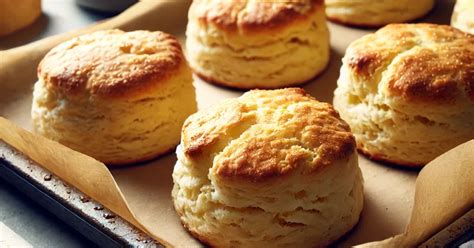
When it’s time to cut your biscuits, use a sharp biscuit cutter and press straight down without twisting. Twisting seals the edges of the biscuit, preventing it from rising evenly. Place the cut biscuits relatively close together on the baking sheet; they help support each other during the rise, promoting a taller bake.

Finally, temperature is key. Biscuits thrive in a hot oven (usually 425-450°F / 220-230°C). The initial blast of high heat quickly sets the exterior and activates the leavening agents, creating that rapid rise. Make sure your oven is fully preheated before putting the biscuits in.
Embrace the Fluff
With these secrets in your baking arsenal—ice-cold ingredients, minimal handling, strategic layering, and a hot oven—you are well on your way to consistently baking perfectly fluffy biscuits from scratch. Serve them warm with butter, jam, gravy, or simply as a comforting treat. Happy baking!