


Simple steps for starting a backyard chicken flock for eggs?

Dreaming of fresh eggs right from your backyard? Starting a small chicken flock can be a wonderfully rewarding experience, connecting you with nature and providing a sustainable source of delicious, nutritious eggs. This guide breaks down the process into simple, manageable steps, perfect for beginners eager to embrace the joys of backyard poultry.
1. Check Local Regulations
Before you even think about buying chicks, the absolute first step is to consult your local city or county ordinances. Many urban and suburban areas now permit backyard chickens, but rules vary widely regarding the number of hens allowed, whether roosters are permitted, and specific coop setbacks from property lines. A quick call to your local municipality or a visit to their website can save you a lot of hassle down the road. Ensure you’re in compliance before investing time and money.

2. Choose the Right Breed
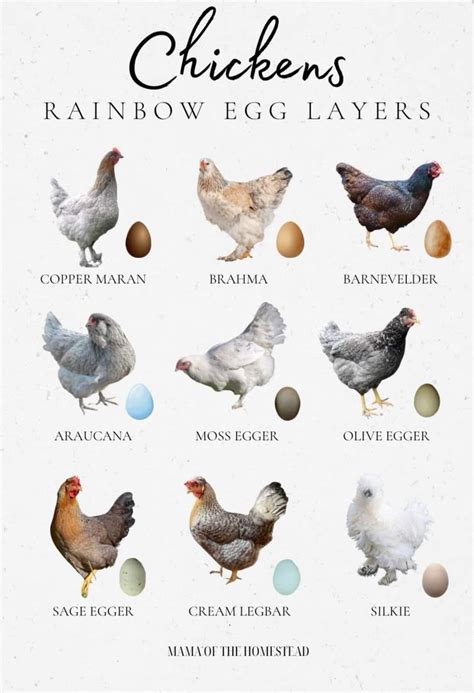
Not all chickens are created equal when it comes to egg production and temperament. For a beginner flock focused on eggs, look for reliable layers known for their docility. Popular choices include:
- Rhode Island Reds: Hardy, prolific brown egg layers.
- Plymouth Rocks: Dual-purpose (meat and eggs), friendly, brown eggs.
- Leghorns: Excellent white egg layers, but can be a bit more flighty.
- Orpingtons: Very docile, good brown egg layers, cold-hardy.
Consider your climate, desired egg color, and how much interaction you want with your birds. Researching different breeds will help you find the perfect fit for your family and environment.
3. Housing: The Essential Coop
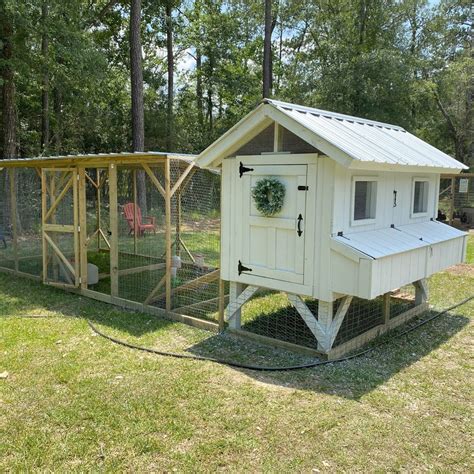
Your chickens will need a safe, secure, and comfortable home. A good coop provides shelter from the elements and protection from predators. Key features include:
Space
Aim for at least 3-4 square feet per chicken inside the coop and 8-10 square feet per chicken in an attached run. Overcrowding leads to stress and health issues.
Nesting Boxes
Provide one nesting box for every 3-4 hens. They don’t all lay at the same time, but they appreciate options.
Roosts
Chickens prefer to sleep on roosts, off the ground. Provide a sturdy roosting bar about 1.5 to 2 inches wide, allowing 8-10 inches of space per bird.
Ventilation
Good airflow is crucial to prevent respiratory issues, but avoid drafts directly on the birds.
Predator Protection
This is paramount. Ensure your coop is secure against raccoons, foxes, hawks, and other local predators. Use hardware cloth (not chicken wire) for openings, and consider burying a wire skirt around the run to deter digging.
4. Feeding and Watering Your Flock
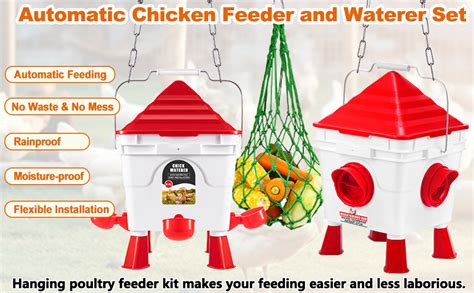
Chickens need a consistent supply of fresh water and a balanced diet.
Feed
Laying hens require a “layer feed” (pellets or crumbles) that is specifically formulated with extra calcium for strong eggshells. Avoid feeding them just scratch grains, which are high in carbohydrates but lack essential nutrients.
Grit
Chickens don’t have teeth; they need grit (small stones) to help them digest their food. Provide a separate container of insoluble grit.
Calcium Supplement
If using a general feed, provide oyster shell in a separate feeder so hens can self-regulate their calcium intake.
Water
Always have fresh, clean water available. Waterers should be cleaned regularly to prevent algae and bacterial growth.
5. Starting Your Flock: Chicks or Pullets?
You have two main options for starting your flock:
Day-Old Chicks
This is a popular and often more economical choice. You’ll need a brooder setup (a warm, safe enclosure with a heat lamp) for their first 6-8 weeks until they feather out. Raising chicks is incredibly rewarding but requires more initial care.
Pullets
Pullets are young hens, typically 16-20 weeks old, that are nearing or just starting to lay eggs. They are more expensive but skip the delicate brooding phase, allowing you to get eggs sooner.
Whichever you choose, source your birds from a reputable hatchery or local farm to ensure healthy, disease-free stock.
6. Health and Ongoing Care
Regular observation is key to a healthy flock. Check your chickens daily for signs of illness (lethargy, ruffled feathers, unusual droppings, discharge).
Coop Cleaning
Keep the coop clean by regularly removing soiled bedding. A “deep litter” method can also be used, adding fresh carbon material (shavings, straw) on top of soiled bedding and turning it, composting in place.
Dust Baths
Provide a dust bath area, either a natural patch of dry dirt or a designated container with sand and wood ash. Dust bathing is essential for chickens to keep their feathers clean and free of parasites.
Foraging
Allow your chickens supervised free-ranging time if possible. It provides exercise, mental stimulation, and supplements their diet with bugs and greens.

7. The Joy of Fresh Eggs!
The most exciting part! Hens typically start laying between 18-24 weeks of age. Check nesting boxes daily, especially in the morning, to collect fresh eggs. Wash them gently only if visibly soiled, as they have a natural protective bloom. Unwashed eggs can be stored at room temperature for a couple of weeks, while washed eggs should be refrigerated.
Starting a backyard chicken flock for eggs is an accessible and fulfilling endeavor. With a bit of planning, the right setup, and consistent care, you’ll soon be enjoying the unparalleled taste and satisfaction of gathering your own fresh eggs. Welcome to the wonderful world of backyard poultry!