


How to enrich poor country soil organically for better yields?
The Challenge of Poor Soil in Rural Areas
Many rural communities around the world face the daunting challenge of cultivating crops in nutrient-depleted soil. This often leads to low yields, food insecurity, and economic hardship. While chemical fertilizers offer a quick fix, they are often expensive, environmentally damaging, and unsustainable in the long run. Fortunately, a return to time-honored organic methods provides a powerful, affordable, and sustainable path to transforming poor country soil into a fertile ground for abundant harvests.
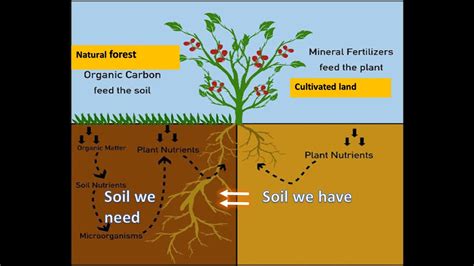
Enriching soil organically focuses on building its natural health and biodiversity, fostering a living ecosystem that supports plant growth without reliance on external chemical inputs. This approach not only boosts yields but also enhances the soil’s resilience, water retention, and long-term productivity.
Fundamental Organic Strategies for Soil Improvement
Improving soil health is a continuous process that involves several interconnected organic practices. These methods work synergistically to restore nutrients, improve soil structure, and encourage beneficial microbial activity.
1. Composting: The Heart of Soil Fertility
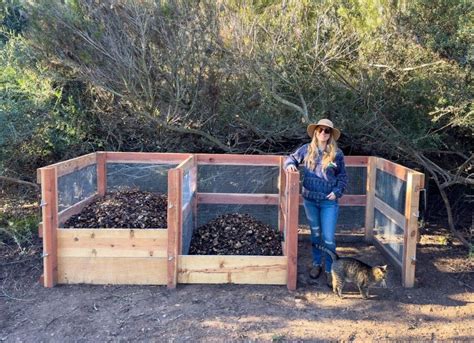
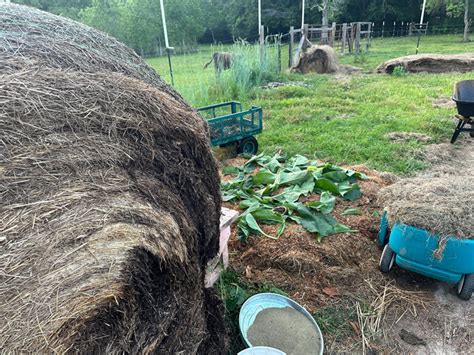
Composting is arguably the most vital organic method for enriching poor soil. It transforms organic waste – such as kitchen scraps, crop residues, animal manure, and leaves – into a dark, crumbly, nutrient-rich material known as compost. Compost acts as a slow-release fertilizer, improves soil structure, increases water retention, and introduces beneficial microorganisms.
- How to implement: Start a compost pile using a mix of ‘greens’ (nitrogen-rich like food scraps, fresh grass clippings) and ‘browns’ (carbon-rich like dry leaves, straw, wood ash). Turn the pile regularly to aerate it and speed up decomposition.
- Benefits: Provides essential nutrients, enhances soil structure, reduces waste, and suppresses plant diseases.
2. Green Manure and Cover Cropping
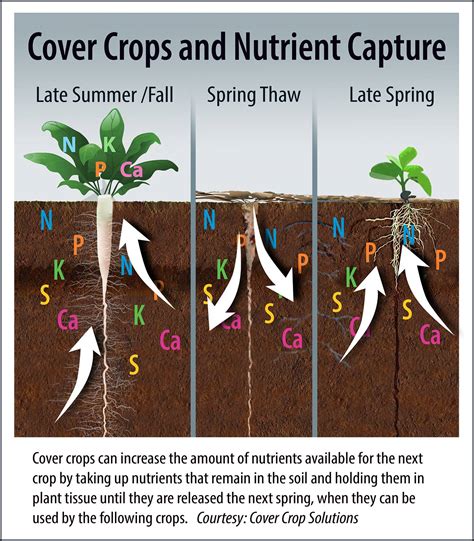
Green manure crops are plants grown specifically to be incorporated back into the soil, while cover crops protect the soil surface when the main crop is not growing. Both practices significantly improve soil fertility and structure.
- Examples: Legumes like clover, vetch, and alfalfa fix atmospheric nitrogen into the soil. Cereal grains like rye and oats add significant organic matter.
- How to implement: Sow green manure seeds in fall or between main crop cycles. Allow them to grow, then cut them down and dig them into the soil before they set seed. Cover crops can be left on the surface as mulch or tilled in.
- Benefits: Adds organic matter, prevents erosion, suppresses weeds, fixes nitrogen, and improves water infiltration.
3. Crop Rotation and Diversification
Planting the same crop in the same spot year after year depletes specific nutrients and encourages pest and disease build-up. Crop rotation involves growing different types of crops in sequence on the same piece of land.
- How to implement: Divide your growing area into sections and rotate crop families (e.g., legumes, leafy greens, root vegetables, fruiting plants) through these sections over a cycle of 3-4 years.
- Benefits: Balances nutrient use, breaks pest and disease cycles, and encourages beneficial soil microorganisms.
4. Natural Fertilizers and Amendments
Beyond compost, several locally available organic materials can be used to provide specific nutrients or improve soil characteristics.
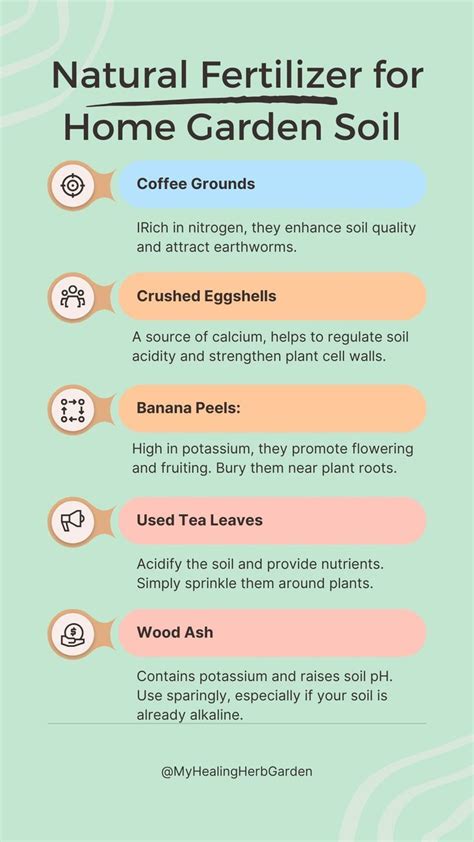
- Animal Manure: Well-rotted cow, chicken, goat, or horse manure is an excellent source of nitrogen, phosphorus, and potassium. Always compost or age manure before applying to avoid burning plants or introducing pathogens.
- Wood Ash: A good source of potassium and lime (raises soil pH), suitable for acidic soils. Use sparingly as excessive amounts can make soil too alkaline.
- Bone Meal: Provides phosphorus, beneficial for flowering and fruiting plants.
- Leaf Mould: Decomposed leaves create a fantastic soil conditioner, improving texture and water retention.
5. Mulching for Soil Protection and Enrichment
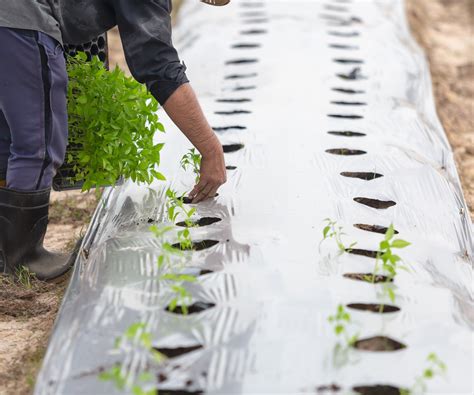
Mulching involves covering the soil surface with a layer of organic material. This simple practice has numerous benefits for poor soil.
- How to implement: Apply a thick layer (2-4 inches) of straw, dry leaves, wood chips, or grass clippings around plants.
- Benefits: Suppresses weeds, conserves soil moisture, regulates soil temperature, prevents erosion, and gradually adds organic matter as it decomposes.
Implementing Organic Practices Affordably
The beauty of organic soil enrichment is its reliance on readily available, often free, local resources. Farmers in poor countries can leverage crop residues, animal waste, leaves, and other organic materials that might otherwise go to waste. Community-level composting initiatives and knowledge sharing can further amplify the impact of these practices.
Starting small and gradually expanding these methods can lead to significant improvements over time. Patience is key, as organic soil building is a gradual process that yields long-term benefits.
Conclusion: A Path to Sustainable Abundance
Enriching poor country soil organically is more than just a farming technique; it’s a holistic approach to sustainable living. By embracing composting, green manure, crop rotation, natural fertilizers, and mulching, rural communities can transform depleted land into thriving ecosystems. This not only leads to better yields and improved food security but also fosters environmental stewardship, economic resilience, and a deeper connection to the land. Investing in organic soil health is an investment in the future well-being of the community and the planet.